
Lo-Fi MAGA Vibes: Dissecting the Viral White House Video Celebrating Trump’s Controversial First 100 Days
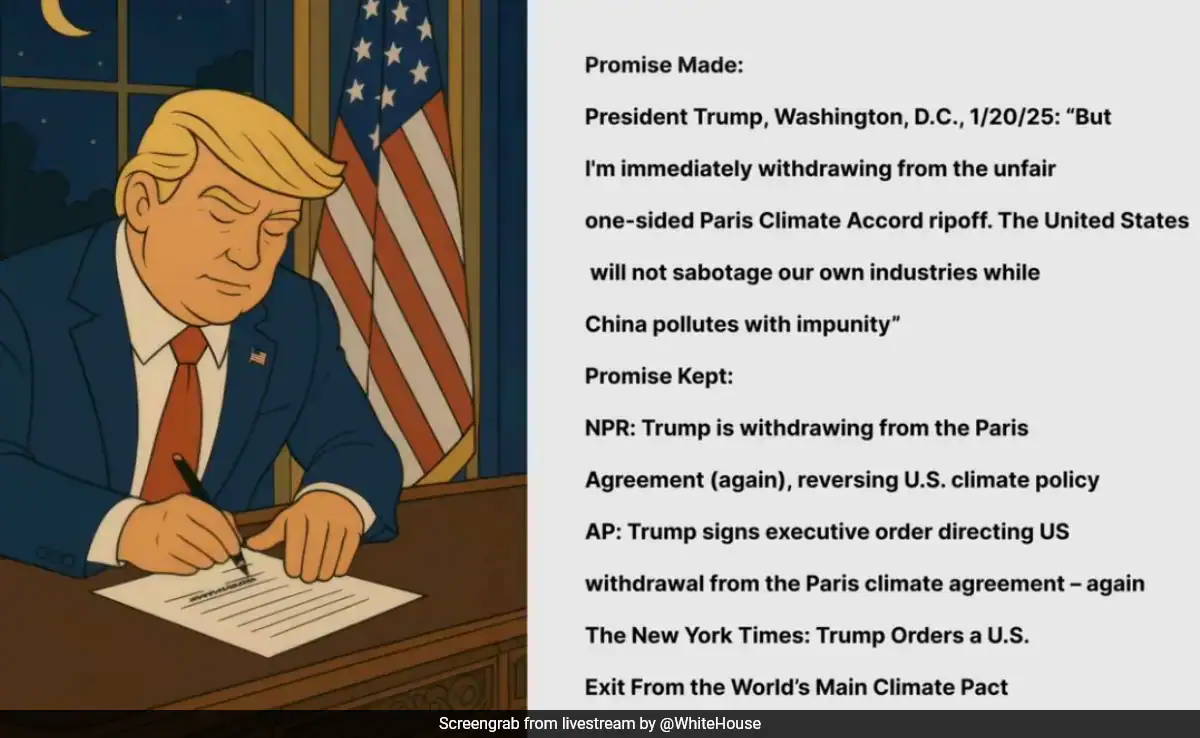
In an age where political communication more and more overlaps with internet culture, the White House during Donald Trump’s second term has adopted a new medium: lo-fi design. On Friday, a clip called “First 100 Days of Trump 2.0” appeared on the official White House X page, set to a chill, looped rhythm and presented in the style of a vintage YouTube study playlist. The caption—”Have a great weekend! ”—belied the contentious policies it showcased, from scrapping diversity programs to pardoning January 6 rioters. The video, designed to stream continuously online, quickly went viral, drawing equal parts fascination and outrage.
As the lo-fi MAGA anthem plays on, it’s worth unpacking the substance behind the style—and what this unorthodox propaganda says about Trump’s second-term agenda.
The Lo-Fi Aesthetic: Soft Beats, Hard Policies
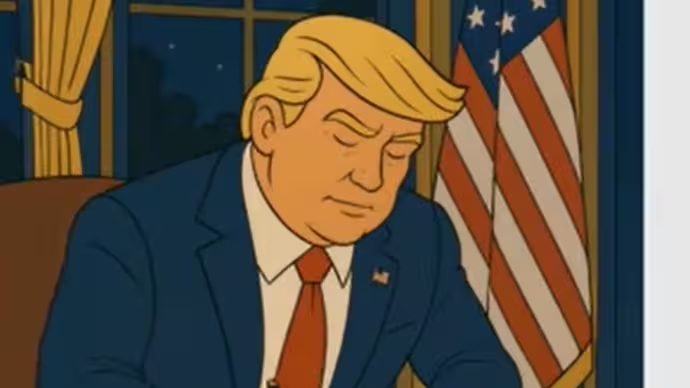
The format of the video is a conscious departure from conventional political communication. Lo-fi (low fidelity) culture, commonly linked to relaxation and nostalgia, normally consists of grainy imagery, retro animations, and soothing music. Through this aesthetic, the Trump administration seems to aim at younger, web-literate audiences while tempering the harshness of its divisive policies.
The 3-minute video begins with a pixelated American flag waving next to a cartoon Trump throwing a thumb-up. A synth-infused soundtrack accompanies scrolling text listing “accomplishments” with retro arcade-style graphics in between. But the policies featured are anything but calming:
- Ending military diversity programs: The Pentagon’s DEI (Diversity, Equity, and Inclusion) initiatives, launched after the 2020 Black Lives Matter protests, were abolished via executive order. Critics argue this rollback undermines efforts to address systemic racism in the armed forces.
- Terminating birthright citizenship: A long-standing GOP goal, this move denies citizenship to children born in the U.S. to undocumented parents, upending the 14th Amendment’s “jus soli” principle. Legal challenges are expected.
- Southern border national emergency: Trump declared a state of emergency to fast-track wall construction and mass deportations, reigniting debates over immigration enforcement’s human rights costs.
The juxtaposition of chill visuals and hardline policies creates cognitive dissonance—a tactic that has sparked debates about the normalization of radical agendas through meme culture.
“America First” Reloaded: Tariffs, Cyber Cuts, and WHO Withdrawal
The video’s second act shifts to economic and global policies, framed as “restoring sovereignty”:
- Reintroduced tariffs: Targeting China, the EU, and Canada, Trump reinstated sweeping tariffs on steel, aluminum, and tech imports. Economists warn this could reignite trade wars, inflate consumer prices, and destabilize markets.
- Defunding cybersecurity: The Cybersecurity and Infrastructure Security Agency (CISA), criticized by Trump over 2020 election security claims, saw its budget slashed by 40%. Experts fear this weakens defenses against ransomware attacks and foreign interference.
- Exiting the WHO: The U.S. withdrew from the World Health Organization for the second time, accusing it of “China-centric bias.” Public health advocates decry the move as reckless amid ongoing pandemic threats.
These policies mirror Trump’s first-term playbook but with heightened urgency. The lo-fi presentation, however, omits context—like the 2025 Project’s blueprint for institutional overhaul or the role of Trump-aligned think tanks in shaping these decisions.
The Pardon Spree: January 6 Participants, Silk Road, and “Law and Order” Paradox
The video’s most incendiary segment celebrates Trump’s issuance of 1,500+ pardons, including:
- January 6 defendants: Over 200 pardons were granted to individuals convicted of crimes related to the Capitol riot, which Trump calls “patriots unjustly targeted.” Survivors and Democrats condemn this as a betrayal of democracy.
- Ross Ulbricht: The founder of Silk Road, a dark web drug marketplace, saw his life sentence commuted, a move praised by libertarians but criticized by law enforcement.
- Controversial allies: While unnamed in the video, reports suggest pardons for former Trump advisors convicted of perjury and fraud.
This mass clemency, set to a tranquil soundtrack, underscores a key Trump 2.0 theme: leveraging executive power to reward loyalty and counter-narrate legal accountability. Critics argue it emboldens extremism; supporters hail it as “rectifying judicial overreach.”
The Viral Reaction: Memes, Backlash, and the Base’s Response
Within hours, the video amassed 10M+ views, dominating platforms like X, TikTok, and Telegram. Reactions split sharply:
- MAGA Aestheticization: Supporters praised the video’s “cool factor,” spawning memes and fan remixes. “Finally, a president who speaks Gen Z’s language,” tweeted one user.
- Liberal Outrage: Opponents accused the administration of “using vibes to whitewash authoritarianism.” A viral TikTok edit superimposed the video with clips of border detention camps and January 6 violence.
- Media Analysis: Pundits noted the video’s strategic ambiguity—its lack of voiceover lets viewers project their biases, while the looped format mirrors the repetitive nature of online discourse.
The White House’s digital team, led by former meme page admins, has mastered the art of platform-native content. Yet the video’s success also reflects a polarized media landscape where style often eclipses substance.
Expert Analysis: What the Lo-Fi Mask Reveals
Political strategists and historians weigh in:
- Dr. Emily Torres (Media Scholar): “This is soft power for the post-truth age. The lo-fi aesthetic disarms critics by embedding radical policies in a familiar, comforting format.”
- Mark Thompson (GOP Consultant): “Trump’s team knows their base is online, fatigued by doomscrolling. This is political ASMR—policies you can relax to.”
- Rashid Ali (Human Rights Advocate): “Packaging cruelty as nostalgia isn’t new—think fascist art in the 1930s. But the digital twist makes it dangerously shareable.”
Meanwhile, legal experts question the feasibility of policies like ending birthright citizenship, which would require a constitutional amendment. “This is red meat for the base, not practical governance,” said UCLA law professor Michael Davis.
Global Implications: A World Watching (and Cringing)
The video’s global reach has drawn mixed responses:
- Allies: The EU condemned the tariff revival, while UK Prime Minister Keir Starmer called the WHO withdrawal “myopic.”
- Adversaries: China’s state media mocked the video as “American decadence,” while Russia’s TikTok clones celebrated the cybersecurity cuts.
- Non-Aligned Nations: Developing countries, particularly those reliant on U.S. health aid, expressed alarm over the WHO exit.
Trump’s “America First” reboot risks isolating the U.S. further, but for his base, that’s the point.
The Calm Before the Storm?
The “First 100 Days of Trump 2.0” video is not just a weird internet moment—it’s a microcosm of contemporary authoritarian populism. Through the use of nostalgia and online culture, Trump’s campaign has built a propaganda machine that calms as it offends. But beneath the lo-fi beats are seismic changes: the decay of institutional norms, the normalization of extremism, and a harsh vision of nationalism unmoored from international cooperation.
As the video loops into the weekend, one phrase resonates: “Have a great weekend!” To some, it’s a battle cry; to others, a dystopian goodbye. In Trump’s America, the atmosphere is cool, but the stakes have never been hotter.
Click here to subscribe to our newsletters and get the latest updates directly to your inbox.