
Earthquake of 5.0 Magnitude Hits Afghanistan as Death Toll from Sunday’s Quake Climbs
Afghanistan was hit by yet another earthquake on Friday, September 5, 2025, intensifying the grief of a nation still reeling from two powerful tremors earlier in the week. According to the National Centre for Seismology (NCS), the latest quake registered 5.0 magnitude and struck about 110 kilometers east of Kabul, at a depth of just 10 kilometers.
The shallow nature of the earthquake is of particular concern. Experts say that shallow quakes tend to be far more destructive than deeper ones because seismic waves reach the surface more quickly and with greater intensity. Although reports of casualties from Friday’s tremor remain limited, officials fear that already weakened buildings and infrastructure may have sustained further damage, posing risks for survivors and rescue workers alike.
This fresh jolt comes as Afghanistan mourns the devastating toll of the earlier quakes that struck on Sunday and Tuesday, leaving a trail of destruction across Nangarhar and Kunar provinces.
The Human Toll of the Week’s Quakes
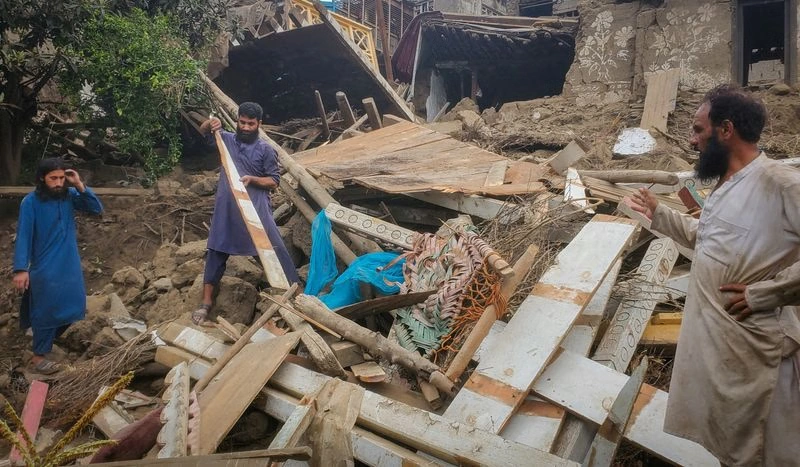
By Thursday, the Taliban administration had confirmed at least 2,205 deaths and 3,640 injuries from the earlier quakes, making this one of the deadliest weeks of seismic activity in Afghanistan’s recent history. The first earthquake, a 6.0-magnitude tremor that hit just before midnight on Sunday, leveled entire villages at a shallow depth of 10 kilometers.
Rescue teams described harrowing scenes of families buried under rubble, while survivors dug through debris with bare hands to search for loved ones. Homes constructed of mud and stone, typical in rural Afghanistan, stood little chance against the force of the quake.
The destruction did not stop there. On Tuesday, a 5.5-magnitude aftershock rattled the same region, disrupting rescue operations and triggering landslides that blocked crucial mountain roads. Rocks tumbled down steep slopes, cutting off already remote villages from outside aid. For rescue workers, reaching victims became a race against time as aftershocks continued to destabilize structures and trigger fresh collapses.
By midweek, aid agencies confirmed that more than 6,700 homes had been destroyed, leaving thousands of families displaced in already harsh conditions. Makeshift shelters were set up in open fields, where survivors camped without adequate food, water, or medical supplies.
The Vulnerability of Shallow Quakes
Seismologists emphasize that the shallowness of these quakes—around 10 kilometers below the surface—played a significant role in their destructiveness. Shallow earthquakes allow seismic energy to travel a shorter distance, increasing the intensity of ground shaking experienced by people and structures.
“Shallow quakes like the ones we’ve seen in Afghanistan this week are particularly hazardous because they give communities little time to react,” explained a South Asian seismic expert. “They are often felt more strongly and can lead to catastrophic building collapses, especially in regions with vulnerable construction.”
Afghanistan’s infrastructure, already weakened by decades of conflict and underinvestment, has proved particularly ill-prepared. Mud-brick homes and poorly reinforced buildings collapse easily, trapping occupants inside. The lack of modern earthquake-resistant design standards only magnifies the risk.
The Epicenter: Hindu Kush Mountain Range
The Hindu Kush region, where these earthquakes originated, is notorious for seismic activity. The area sits at the junction of the Indian and Eurasian tectonic plates, which constantly grind against each other, releasing massive amounts of energy.
This geological collision zone has historically produced some of Afghanistan’s most devastating earthquakes. In 1998, for instance, twin earthquakes in the same region killed more than 4,000 people. In 2002, another tremor claimed over 1,000 lives. These tragic precedents underscore the inevitability of seismic risk in the region.
Scientists warn that such events are not anomalies but part of a long-term pattern. Afghanistan lies on one of the most seismically active fault lines in Asia, and experts believe similar quakes will continue to strike in the future.
Rescue Operations and Challenges
As Friday’s quake added urgency to ongoing relief efforts, Afghan rescue teams—assisted by international organizations—worked tirelessly to locate survivors and distribute aid. However, the challenges remain immense.
Mountainous terrain, blocked roads, and scattered villages make coordination extremely difficult. Helicopters have been deployed in some areas, but limited resources hinder large-scale operations. Aid workers also face risks from aftershocks, which threaten to topple unstable buildings and trigger landslides.
“Every aftershock makes the rescue more dangerous,” said one aid worker. “We are working in places where walls could collapse at any moment, and yet families are desperate to find missing members.”
International humanitarian organizations have begun to mobilize, but the geopolitical situation complicates their efforts. Sanctions, financial restrictions, and strained relations with the Taliban administration limit the scale and speed of outside assistance. Despite these barriers, relief agencies are calling for urgent global support, stressing that thousands of displaced people face exposure, hunger, and disease in the coming days.
Comparisons with Past Earthquakes
Friday’s 5.0-magnitude tremor may not be the most powerful, but in the context of this week’s devastation, it is especially significant. With buildings already weakened by Sunday and Tuesday’s quakes, even moderate aftershocks can cause structures to collapse.
Historically, Afghanistan has experienced earthquakes with even higher magnitudes. The 1998 Takhar quake, measuring 6.6, remains one of the deadliest, claiming thousands of lives. More recently, in October 2023, a 6.3-magnitude quake in Herat province killed more than 2,000 people. These repeated disasters highlight a pattern of vulnerability compounded by fragile infrastructure and limited preparedness.
Future Risks and Preparedness
Experts stress that Afghanistan must prioritize earthquake preparedness, including enforcing safer building codes, strengthening public awareness, and investing in emergency response infrastructure. However, political instability, poverty, and limited governance capacity continue to hamper long-term planning.
Neighboring countries like Pakistan and India have invested in seismic monitoring and public drills, but Afghanistan lags behind. While international aid often provides temporary relief, systemic improvements remain elusive. Without meaningful reforms, experts warn that Afghanistan will continue to suffer disproportionately when the next major quake strikes.
A Nation in Mourning, a Region on Alert
For ordinary Afghans, the succession of earthquakes has been nothing short of catastrophic. Entire families have been wiped out, villages reduced to rubble, and survivors left grappling with grief and uncertainty. With the death toll surpassing 2,200 and climbing, Friday’s tremor was a grim reminder that the crisis is far from over.
Regional neighbors have expressed concern, with tremors reportedly felt across parts of Pakistan and Tajikistan. Seismologists will continue to monitor the area closely in the coming weeks, as aftershocks are likely to persist.
For now, Afghanistan faces the monumental task of rescue, relief, and rebuilding—a task made even harder by poverty, conflict, and isolation from much of the international community.
Closing Line
The earthquakes that struck Afghanistan this week serve as a tragic reminder of the nation’s seismic vulnerability. As survivors dig through rubble and families mourn their losses, the need for international solidarity and long-term resilience has never been more urgent.
Click Here to subscribe to our newsletters and get the latest updates directly to your inbox.