
Trump Directed Aide to Warn Qatar of Israel Attack, White House Confirms
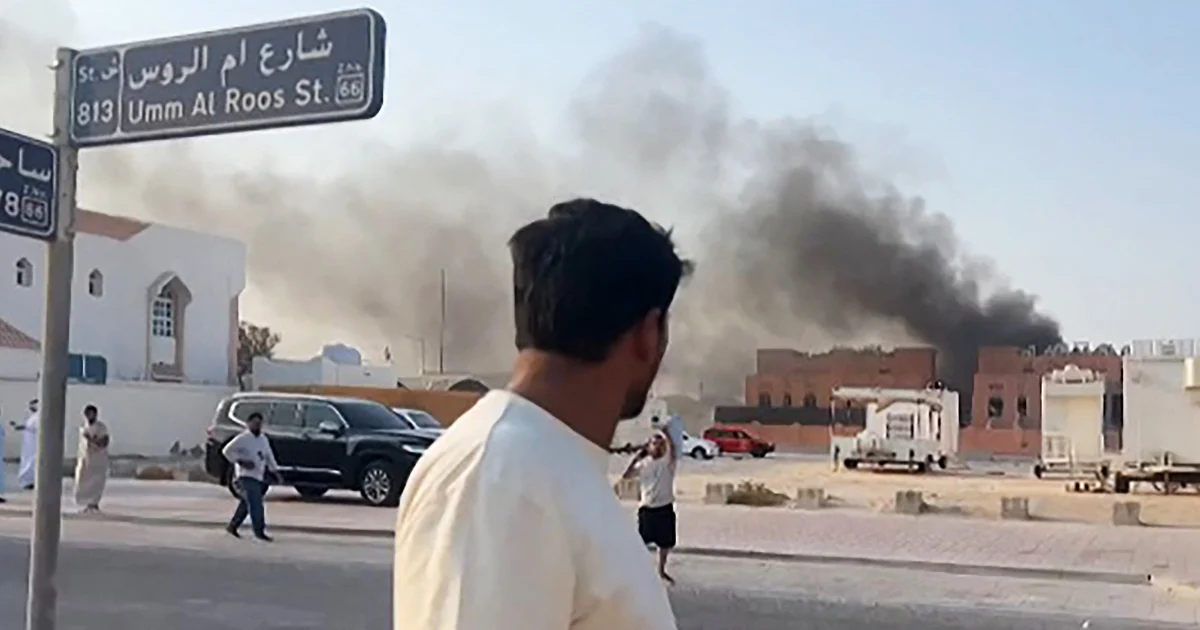
The White House on Tuesday confirmed that President Donald Trump personally instructed one of his senior aides to warn Qatar ahead of Israel’s recent strike targeting Hamas elements in the country. White House press secretary Karoline Leavitt revealed that Trump directed Steve Witkoff, a longtime ally and adviser, to alert Qatari officials that Israel’s military action was imminent.
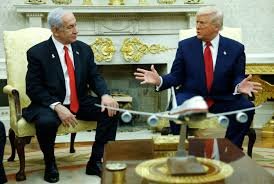
According to Leavitt, Trump viewed the incident as “unfortunate” and moved swiftly to prevent further escalation. The revelation has sparked significant discussion in diplomatic and security circles, raising questions about Washington’s role in mediating tensions between its close ally Israel and strategic partner Qatar.
The Context: Why Qatar Matters
Qatar, a small Gulf nation, has often found itself at the center of Middle Eastern diplomacy. It hosts the Al Udeid Air Base, the largest US military facility in the region, and has played an active role in negotiations involving Hamas and other Palestinian groups.
The Israeli strike reportedly targeted Hamas-linked assets within Qatari territory. While details remain scarce, the attack marked a rare moment of direct Israeli action beyond its traditional conflict zones. For Doha, it was not only a matter of sovereignty but also of maintaining its reputation as a mediator in regional disputes.
Trump’s decision to intervene highlights the delicate balancing act the US faces—supporting Israel’s security interests while preventing rifts with Qatar, a country critical to America’s military presence and diplomatic influence in the Middle East.
Trump’s Call with Netanyahu and the Emir of Qatar
After the strikes, Trump spoke separately with Israeli Prime Minister Benjamin Netanyahu and the Emir of Qatar, Sheikh Tamim bin Hamad Al Thani, according to Leavitt.
During his call with Sheikh Tamim, Trump reportedly assured him that such incidents would not occur again on Qatari soil. The message was framed as a personal guarantee from the US president, signaling Washington’s commitment to Qatar’s security and sovereignty.
At the same time, Trump’s conversation with Netanyahu underscored America’s unwavering support for Israel’s right to defend itself. Balancing these two conversations illustrated the complex dual diplomacy that the Trump administration is currently navigating.
Role of Steve Witkoff
The decision to send Steve Witkoff as the messenger adds an intriguing layer to the story. Witkoff, a New York real estate developer and longtime Trump confidant, is not a traditional diplomatic figure. His role in warning Qatar about a military strike raises eyebrows about the informal channels the Trump administration may be using in sensitive foreign policy matters.
Some analysts suggest that Trump’s choice reflects his preference for relying on trusted insiders over career diplomats when managing crises. While this can foster loyalty, critics argue it risks undermining established diplomatic protocols.
Regional Reactions
The news of Trump’s involvement has generated mixed reactions across the Middle East.
- Qatar’s position: Doha has not issued a formal statement, but sources familiar with the emir’s call with Trump suggest that Qatar welcomed the reassurance while urging Washington to prevent further Israeli military actions on its territory.
- Israel’s stance: Israeli officials have maintained that the strike was a necessary step to disrupt Hamas operations. Netanyahu’s office did not immediately confirm details of his call with Trump but reiterated Israel’s commitment to defending itself against terrorism.
- Other Gulf nations: Neighboring states such as Saudi Arabia and the United Arab Emirates are closely watching developments. Both countries share security concerns about Hamas but also seek to maintain regional stability, particularly with the US presidential election cycle underway.
Implications for US–Israel Relations
The incident poses a sensitive challenge for US–Israel relations. While Trump reaffirmed his strong ties with Netanyahu, the fact that Washington directly warned Qatar of Israeli military action may be seen in Jerusalem as interference.
Some Israeli commentators argue that advance warnings to Qatar could undermine Israel’s operational secrecy and weaken its deterrence strategy. However, others note that Trump’s move may prevent Israel from being diplomatically isolated, particularly as it faces growing scrutiny over military actions abroad.
Implications for US–Qatar Relations
For Qatar, the episode could prove to be a turning point. Trump’s reassurances may bolster confidence in the US as a guarantor of Qatari sovereignty. At the same time, the fact that Hamas was targeted within its borders could complicate Qatar’s long-standing role as a mediator with Palestinian factions.
Doha will likely continue balancing its relations with both the US and regional powers, but it may now face increased pressure to limit Hamas-linked activities on its soil.
Broader Geopolitical Significance
The situation reflects the shifting dynamics of Middle East geopolitics in 2025. Israel’s willingness to strike outside its immediate conflict zones signals a more aggressive security posture. For the US, managing these actions while protecting key partnerships is becoming increasingly complex.
Trump’s intervention underscores the American president’s central role in crisis management. However, it also raises questions about transparency, process, and accountability in how foreign policy decisions are being executed.
Observers note that as global tensions rise—from the Russia-Ukraine conflict to instability in the Indo-Pacific—the Middle East remains a flashpoint where US leadership is constantly tested.
Political Ramifications in Washington
Domestically, Trump’s handling of the Qatar-Israel episode is likely to spark debate. Supporters argue that he prevented a wider crisis by proactively warning Doha and reassuring both sides. Critics, however, contend that the reliance on a personal aide like Witkoff reflects a lack of structured diplomacy.
Lawmakers are expected to demand more clarity on the incident, particularly regarding the legal and security implications of using non-diplomatic figures for sensitive foreign engagements. Congressional hearings or oversight requests could follow if concerns intensify.
Looking Ahead
As the situation develops, several key questions remain unanswered:
- Will Israel continue to pursue Hamas targets beyond its borders, and how will the US respond?
- How will Qatar adjust its policies regarding Hamas to prevent similar incidents?
- Can Trump maintain credibility with both Netanyahu and Sheikh Tamim while ensuring stability in the region?
The answers will shape not only US foreign policy in the Middle East but also Trump’s political standing at home as he navigates a highly polarized environment.
Professional Closing
The White House confirmation that Donald Trump personally directed an aide to warn Qatar about an Israeli strike highlights the fragile balance of diplomacy in the Middle East. By attempting to reassure both Israel and Qatar, Trump demonstrated his administration’s dual-track approach of supporting allies while containing potential fallout. Yet the choice of informal channels and the lack of transparency could fuel further debate about America’s foreign policy methods. The episode reflects both the opportunities and risks of personalized diplomacy in one of the world’s most volatile regions.
Click Here to subscribe to our newsletters and get the latest updates directly to your inbox.