
Trump Administration Takes First Steps to Restore Harvard’s Funding, but Money Isn’t Flowing Yet
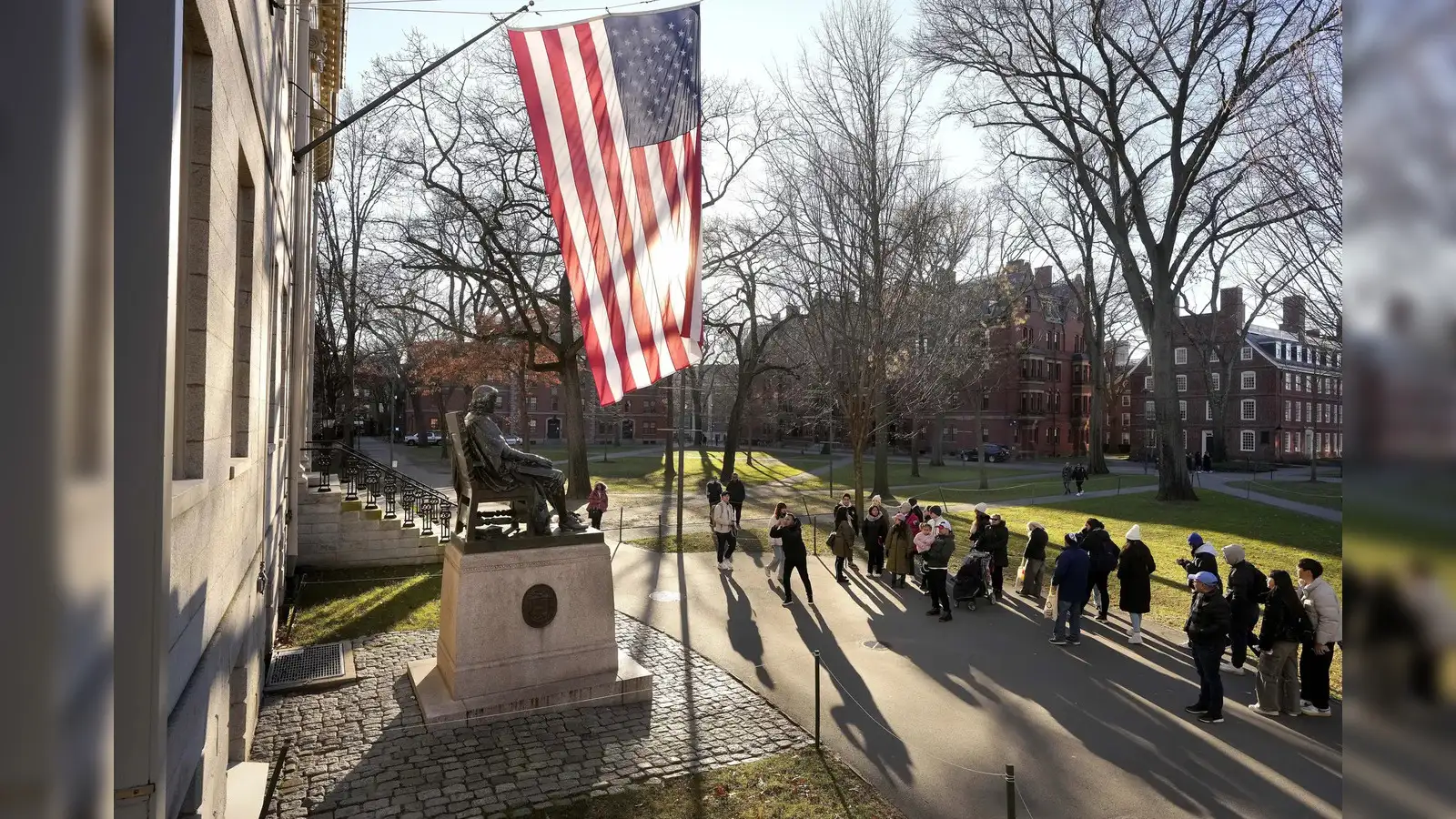
Harvard University is beginning to see the first signs of relief after a long period of financial uncertainty. The institution, one of the most prestigious centers of higher education in the world, has confirmed that it has started receiving official notices from federal agencies regarding the reinstatement of research grants that were cut off by the Trump administration. These developments follow a federal judge’s ruling earlier this summer that the administration’s decision to suspend funding was unlawful.
Yet, while these reinstatement notices offer a glimmer of hope, the actual flow of money has not begun. The university remains cautious, emphasizing that it will continue to closely monitor receipts to ensure that promises are turned into tangible financial support. The White House has indicated its intention to appeal the ruling, prolonging the atmosphere of uncertainty for Harvard and its researchers.
A Long Battle Over Federal Grants
The conflict between Harvard and the Trump administration began months ago when the White House announced sweeping cuts to federal research funding directed toward the university. The move was controversial and drew criticism from academic circles, research organizations, and lawmakers who viewed the cuts as politically motivated.
Harvard relies heavily on federal research dollars to fund groundbreaking projects in science, medicine, and technology. The sudden halt in grants not only threatened ongoing projects but also put pressure on faculty, graduate students, and research staff. For months, administrators at Harvard warned that the freeze in funding could derail critical scientific advancements and compromise the university’s reputation as a global leader in research.
When the case was taken to court, a federal judge sided with Harvard, ruling that the suspension of funds was unlawful. The judgment represented a significant legal win for the university, but implementation has been slow, with agencies only now beginning to issue reinstatement notices.
The Current Status: Notices but No Cash
Harvard spokesperson Jason Newton confirmed late Wednesday that the university has indeed begun receiving notices from several federal agencies signaling the reinstatement of suspended grants. However, he also stressed that while paperwork is moving, no actual payments have been processed yet.
“Harvard is monitoring funding receipts closely,” Newton said, highlighting the cautious optimism that characterizes the university’s current stance. The delay in payments has left many within the institution concerned about whether the reinstated funds will arrive in time to sustain ongoing research programs.
The Trump administration has not backed down either. Officials have reiterated that they intend to appeal the federal judge’s ruling, raising further questions about how soon Harvard can realistically expect the money to return to its accounts.
Broader Implications for Research and Academia
The funding dispute between Harvard and the Trump administration has implications that extend well beyond the university itself. At stake is the broader issue of how political agendas can shape, support, or undermine academic research.
Universities across the United States depend on billions of dollars in federal funding each year to fuel research in areas ranging from climate science and public health to engineering and national security. Harvard, as one of the largest recipients of such funding, represents a symbolic as well as practical target. When its funding was cut, many academics worried that the precedent could embolden further political interference in university research nationwide.
The uncertainty surrounding Harvard’s grants has also had a chilling effect on collaboration. Research teams dependent on steady funding streams to pay staff, purchase equipment, and conduct long-term studies have had to reconsider or delay plans. Without reliable funding, groundbreaking projects risk being paused, undermining progress in areas critical to the nation’s future competitiveness and well-being.
The Legal and Political Dimensions
The legal victory Harvard secured earlier this summer is now being tested by the Trump administration’s determination to pursue an appeal. This introduces a new round of uncertainty that could stretch on for months.
Legal experts suggest that while the judge’s ruling is a strong affirmation of the importance of maintaining lawful funding practices, the appeals process could complicate and delay the full restoration of funds. If the administration succeeds in securing a stay or reversing the ruling, Harvard could once again find itself cut off from critical resources.
Politically, the funding battle reflects broader tensions between elite universities and the Trump administration. The administration has often criticized institutions like Harvard for their perceived political leanings and influence, framing them as symbols of an establishment that it opposes. Critics of the funding cuts argue that they were motivated less by fiscal necessity and more by ideological disagreements.
Harvard’s Position and Future Outlook
Harvard, for its part, has maintained a consistent stance throughout the dispute. The university insists that research funding should not be politicized and that federal support is essential to advancing the nation’s scientific and technological frontiers. By continuing to monitor receipts closely and working with federal agencies, Harvard is taking a cautious but proactive approach.
Administrators remain hopeful that funds will begin arriving soon, enabling researchers to continue their projects without further disruption. But until money actually flows, the university must operate under uncertainty, balancing optimism with practical concerns about its immediate financial commitments.
Looking ahead, much will depend on the outcome of the Trump administration’s appeal. If the ruling stands and funds are fully reinstated, Harvard will emerge from the dispute with its projects intact, albeit delayed. If the appeal succeeds, however, the university may face renewed financial strain, and the academic community at large may see the ruling as a troubling precedent for future government-university relations.
Academic Community Reacts
The developments have sparked discussions across the academic community, with faculty and students expressing both relief and caution. Many researchers welcomed the reinstatement notices as a positive sign, but they also stressed the need for vigilance until funds are actually delivered.
Graduate students, who often rely on research grants for stipends and assistantships, are among those most directly affected. For them, delays in funding can mean uncertainty about their positions, their ability to continue research, and even their career trajectories.
Other universities are also watching closely, as the outcome of Harvard’s battle may influence how they approach their own relationships with the federal government. For many institutions, Harvard’s experience serves as both a warning and a rallying point to defend academic independence.
The Larger Significance of Research Funding Stability
At its core, the dispute between Harvard and the Trump administration underscores the vital importance of stable, reliable research funding. The nation’s progress in science, medicine, and technology depends on long-term investments that are insulated from political shifts. Disruptions not only threaten individual projects but also erode the confidence of students, faculty, and international collaborators in the U.S. academic system.
For a country that has long prided itself on being a global leader in innovation, the stakes are high. If political disagreements repeatedly interfere with research funding, the United States risks undermining its own competitive advantage. The Harvard case is therefore not just about one university’s finances—it is about the future direction of American science and higher education.
Harvard’s Uncertain Road Ahead
For now, Harvard must wait. While reinstatement notices provide some reassurance, the lack of actual funding means the university remains in limbo. Administrators, faculty, and students continue to navigate a period of uncertainty, holding onto hope while preparing for the possibility of further delays.
The outcome of the administration’s appeal will be decisive, but whatever happens, the Harvard funding dispute has already left its mark. It has highlighted vulnerabilities in the relationship between academia and government, raised urgent questions about the politicization of research, and forced universities to reckon with new risks in their pursuit of knowledge.
The Road Ahead for Harvard and U.S. Academia
As the legal process unfolds, the broader academic community will be watching closely. Whether or not Harvard ultimately secures the funds it has been promised, the episode has exposed the fragile balance between politics and research in America. For the sake of innovation, discovery, and the nation’s future, ensuring that universities have reliable, depoliticized access to funding must remain a priority.
Click Here to subscribe to our newsletters and get the latest updates directly to your inbox.