
US Will ‘Sort Out’ Trade Deal with India Once They ‘Stop Buying Russian Oil’, Says Commerce Secretary Lutnick
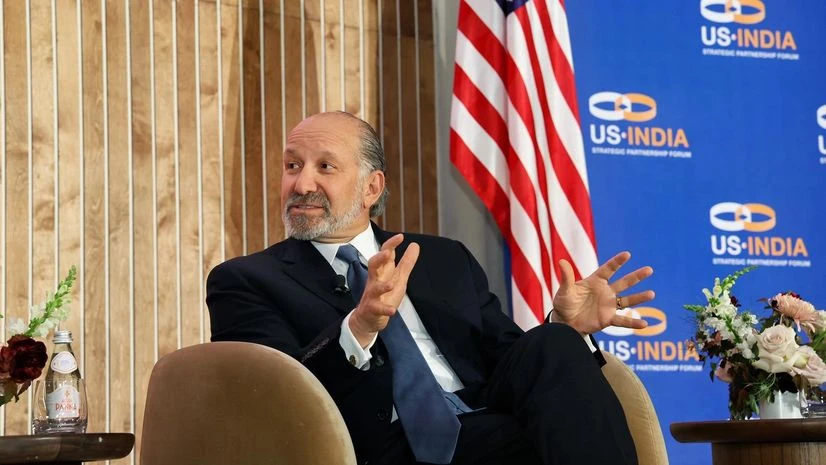
The latest remarks by US Commerce Secretary Howard Lutnick have brought the complexities of the India–US trade relationship back into the spotlight. Speaking to CNBC, Lutnick declared that the Donald Trump administration is committed to “sorting out” a trade deal with India, but only after New Delhi halts its purchases of Russian oil. His words underscore the profound interconnection between global geopolitics, energy security, and trade negotiations in the current international order.
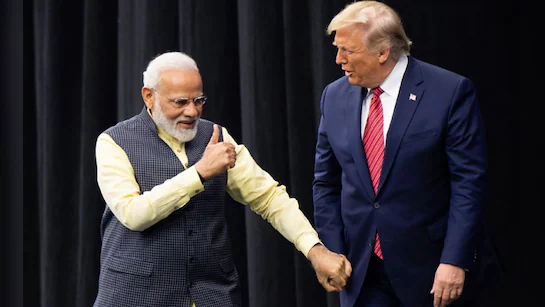
India and the United States share a longstanding trade partnership, with bilateral exchanges valued at nearly $190 billion in 2024. Both economies stand to benefit enormously from a comprehensive trade agreement. However, the conditions being placed by Washington—particularly the demand that India cease buying Russian oil—pose a major hurdle to progress. The statement from Lutnick underlines that in Washington’s view, economics cannot be separated from strategic alignments, especially in the aftermath of Russia’s war in Ukraine.
The US Position on Russian Oil Purchases
Since the Ukraine invasion in 2022, the United States and its Western allies have sought to isolate Moscow by curbing its oil revenues. Sanctions, price caps, and restrictions on shipping and insurance were all designed to reduce Russia’s ability to finance its war effort. Many European nations significantly reduced their dependence on Russian crude. However, India chose another path—securing discounted Russian oil in large quantities to stabilize its energy market and protect its citizens from surging global fuel prices.
For Washington, this move complicates its strategy. While the US recognizes India as a key strategic partner in Asia, its continued imports of Russian crude are seen as undercutting sanctions. Lutnick’s statement makes clear that Washington is not ready to separate trade from geopolitics. A deal, it seems, will only come when New Delhi demonstrates willingness to align its energy policy closer with US expectations.
India’s Argument for Energy Security
India has defended its oil purchases from Russia as a matter of national interest. With over 85 percent of its crude requirements met through imports, the country cannot afford disruptions or inflated prices. The steep discounts on Russian oil provided much-needed relief at a time when inflation was straining household budgets and businesses alike.
Indian leaders have repeatedly emphasized that their policies are not about supporting Moscow but about ensuring that the world’s fastest-growing large economy has the fuel it needs. They have also pointed out that Russian oil is not under United Nations sanctions, meaning trade is legal under international law. To halt these purchases outright would mean higher costs, slower growth, and greater economic vulnerability.
This fundamental difference in perspective—Washington seeing Russian oil imports as a geopolitical issue and New Delhi viewing them as an economic necessity—has now become the central sticking point in the trade dialogue.
Broader Strategic Considerations
The India–US relationship is not confined to trade. Both countries are central players in the Indo-Pacific strategy, working together on defense, technology, and regional stability. The rise of China as a global power has made cooperation between New Delhi and Washington even more essential. Yet, strategic autonomy has long been India’s guiding principle.
For decades, India has maintained close ties with Russia, particularly in defense procurement. Moscow remains a significant supplier of military hardware, and energy ties have deepened further since 2022. Washington’s expectation that India abandon Russian oil imports disregards this complex historical relationship and the realities of India’s domestic needs.
Nevertheless, New Delhi is also aware of the opportunities in closer trade and investment relations with the United States. Striking the right balance between energy security and strategic partnership will be key to determining the trajectory of the current negotiations.
Economic Stakes for Both Nations
A trade deal between India and the United States would open new opportunities across multiple sectors. For the US, India represents a vast and growing market for goods, technology, and services. For India, greater access to the American market could boost exports in areas like pharmaceuticals, textiles, and information technology.
However, unresolved issues persist beyond oil. Tariff barriers, agricultural subsidies, intellectual property protections, and digital trade regulations have all been contentious points in past negotiations. Lutnick’s recent remarks suggest that energy will now be placed at the top of the agenda, potentially overshadowing other areas of discussion.
The danger lies in allowing geopolitics to stall economic cooperation that could otherwise benefit millions of people on both sides. Both countries recognize the need for progress, but whether they can bridge the divide remains uncertain.
Global Implications of the Stalemate
The linkage between oil imports and trade deals carries implications beyond India and the US. Other nations observing the negotiations may see it as a precedent where Washington leverages economic agreements to enforce geopolitical alignments. For developing countries heavily dependent on affordable energy imports, such conditions may appear unfair or impractical.
At the same time, Washington argues that curbing Russia’s oil revenue is essential to limiting its capacity to continue the Ukraine conflict. By insisting on this linkage, the US aims to strengthen the effectiveness of its sanctions. The outcome of the India–US talks could, therefore, influence broader global strategies on dealing with Russia.
The Path Forward
The road to a successful trade deal remains challenging. If India continues to prioritize energy security and discounted oil from Russia, negotiations may stall indefinitely. However, gradual diversification of energy sources, including greater investment in renewables and alternative suppliers, may create room for compromise in the future.
For Washington, recognizing India’s developmental challenges and offering concrete alternatives to Russian oil may help build trust. Simply demanding alignment without addressing New Delhi’s concerns risks alienating a key partner in Asia.
Ultimately, both sides understand the importance of their relationship. With global supply chains shifting and new geopolitical realities emerging, the costs of a prolonged deadlock are high. The coming months will test whether pragmatism can prevail over political posturing.
Trade Deal Hinges on Oil Policy
Howard Lutnick’s comments underline the reality that in today’s world, trade agreements cannot be separated from geopolitics. While India and the US have strong reasons to deepen economic cooperation, the sticking point of Russian oil imports looms large. Whether the two nations can navigate this challenge will determine not just the future of their trade relationship but also the strength of their broader strategic partnership.
Click Here to subscribe to our newsletters and get the latest updates directly to your inbox.