
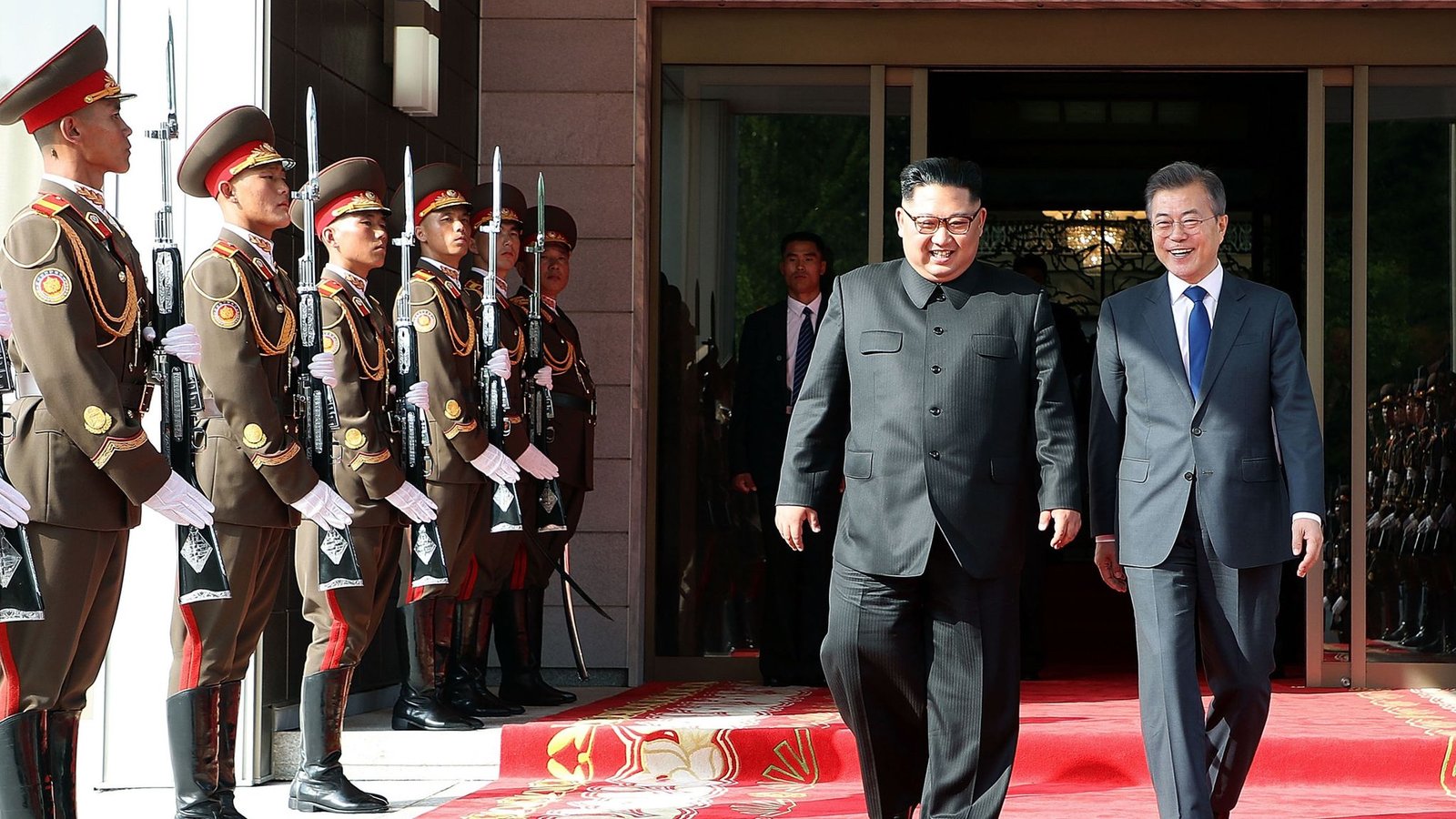
North Korea Executes Citizens for Watching Foreign Films and TV Shows, UN Report Reveals
A shocking new United Nations report has revealed that North Korea continues to impose extreme punishments, including executions, for distributing and even watching foreign films and television shows. The 14-page report, released on Friday, paints a chilling picture of how Pyongyang’s leadership uses fear and brutality to keep its citizens under control. According to the findings, several individuals were executed by firing squad for sharing South Korean television dramas and other foreign media, which are considered a direct threat to the regime’s propaganda machine.
The report shows that since 2014, the government has strengthened its censorship laws to ensure that outside influences remain minimal within the country. Access to foreign media—particularly South Korean content—has long been outlawed in North Korea, but the UN findings indicate that punishments have become harsher in recent years. What was once a matter of imprisonment or forced labor has now escalated to public executions, sending a terrifying message to anyone considering consuming content from the outside world.
Testimonies from Survivors and Witnesses
The UN study was based on more than 300 interviews conducted with escapees, witnesses, and former residents of North Korea. Their accounts confirm a systematic campaign by the Kim Jong-un regime to suppress any influence from beyond its borders. Several interviewees described public executions that served as warnings to others. These displays of violence were reportedly staged in front of local communities, ensuring that the lesson of obedience and fear spread widely.
Witnesses recounted how underground networks circulate foreign films, dramas, and even K-pop music through smuggled USB drives and SD cards. While these items offer North Koreans a glimpse of life beyond their isolated state, they are also viewed as subversive by the government. Officials treat foreign media as an attack on the country’s sovereignty and ideology, often labeling those caught with it as traitors or spies working for enemy nations.
The testimonies highlight how consuming foreign content can lead to charges of treason, espionage, or “anti-socialist behavior,” which often result in capital punishment. Even family members of offenders face persecution, ranging from forced relocation to imprisonment in labor camps.
Cultural Crackdown under Kim Jong-un
The crackdown on media consumption is not new, but it has intensified under Kim Jong-un’s rule. Experts note that the regime fears losing ideological control over its people, especially younger generations who are more curious about the outside world. South Korean dramas, with their depictions of modern lifestyles and freedoms, directly undermine the North Korean government’s narrative that its citizens live in a superior system.
The UN report highlights that the state considers cultural content as dangerous as political dissent. Watching a television drama from South Korea may seem trivial to outsiders, but inside North Korea, it is treated as a grave act of defiance. The government’s efforts to eliminate such behavior demonstrate its insecurities about maintaining absolute loyalty and control.
In addition, the spread of cheap, portable storage devices has made it harder for authorities to completely block access to foreign media. As technology becomes more accessible, enforcement has grown harsher. Instead of loosening restrictions, the regime has doubled down with harsher penalties, hoping to deter its citizens through fear of death.
International Condemnation and Human Rights Concerns
Human rights advocates and international organizations have condemned the executions, describing them as clear violations of international law and basic human dignity. The UN Human Rights Office stressed that North Korea’s policies amount to crimes against humanity, given their systematic and widespread nature. Arbitrary killings, torture, and other abuses linked to cultural consumption are now recognized as deliberate strategies to control the population.
Calls have grown for stronger global action against North Korea, but geopolitical challenges complicate matters. While the international community frequently criticizes Pyongyang’s human rights record, enforcement of accountability remains difficult. China and Russia, both permanent members of the UN Security Council, often resist measures that could destabilize the regime, preferring stability at their border to a collapse of the North Korean state.
Despite repeated resolutions, sanctions, and reports, North Korea continues to operate largely unchecked. The regime prioritizes survival above global opinion, relying on its nuclear program as a shield against external pressure. This has left human rights issues, such as these executions, in the shadow of broader security concerns.
Everyday Lives Shaped by Fear
For ordinary North Koreans, the crackdown on foreign media is another example of how their everyday lives are dictated by fear. People who secretly watch South Korean dramas or foreign films do so at enormous personal risk. Many hide in basements, soundproof rooms, or gather quietly in small groups to view content smuggled from across the border.
Despite the danger, curiosity about the outside world persists. Escapees often say that watching foreign films was their first real exposure to life beyond the regime’s propaganda. For some, these glimpses of freedom inspired them to eventually attempt escape. For others, the risks were too high, and they remained trapped in silence, fearful of both the government and their neighbors, who may act as informants.
The punishments extend beyond the accused individuals, affecting entire families. A child caught with a South Korean drama could lead to their parents losing jobs, being sent to remote provinces, or even facing imprisonment themselves. This system of collective punishment ensures that people not only avoid breaking the rules but also police each other to avoid collective retribution.
The Persistence of Resistance
Even in the face of brutal enforcement, North Koreans continue to seek out foreign content. Experts say this resilience shows a growing hunger for truth and change. The smuggling of films and shows into North Korea has become more sophisticated, with smugglers using drones, river crossings, and encrypted technology to evade detection. South Korean dramas, Hollywood movies, and even Chinese entertainment find their way into North Korean homes, despite the risks.
Observers believe this underground cultural movement could play a role in undermining the regime’s control over time. While public executions remain an effective deterrent, they also highlight the government’s desperation to prevent exposure to the outside world. As technology evolves, controlling the flow of information may become an increasingly impossible task for Pyongyang.
The Dark Reality of Censorship in North Korea
The UN’s latest findings once again underscore the grim reality of life in North Korea, where something as simple as watching a television show can mean the difference between life and death. For most of the world, entertainment is a source of joy and relaxation. In North Korea, it is a dangerous act of rebellion that can cost lives.
The executions carried out for sharing or watching foreign films reflect a system built on fear, repression, and control. While the international community continues to debate strategies to address these abuses, the people inside the country remain trapped in a cycle of silence and fear. Their reality serves as a reminder of the lengths to which authoritarian regimes will go to preserve their grip on power.
A Culture Controlled by Fear
North Korea’s decision to execute citizens for consuming foreign media reveals how deeply threatened the regime feels by outside influence. These acts are not just punishments; they are messages designed to enforce loyalty through terror. Yet, the persistence of underground media consumption suggests that despite the fear, the human desire for knowledge, connection, and freedom cannot be fully extinguished.
Click Here to subscribe to our newsletters and get the latest updates directly to your inbox.