
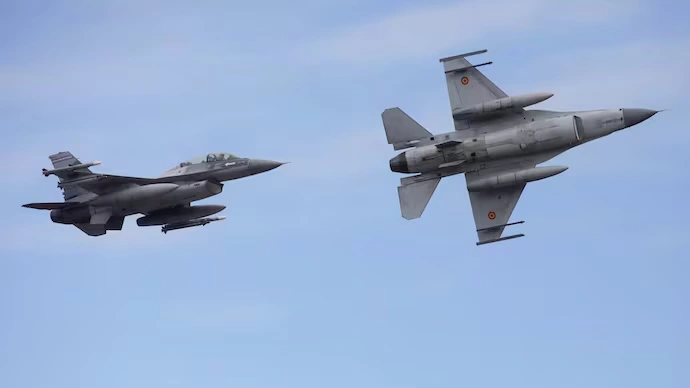
Romanian Airspace Breached by Drone Amid Russian Attacks on Ukraine
Romania, a key NATO member, reported a breach of its airspace by an unidentified drone on Saturday, coinciding with Russian attacks targeting Ukrainian infrastructure. The country’s defence ministry confirmed that fighter jets were scrambled in response to the incursion, marking a tense moment for the alliance amid escalating regional security concerns.\
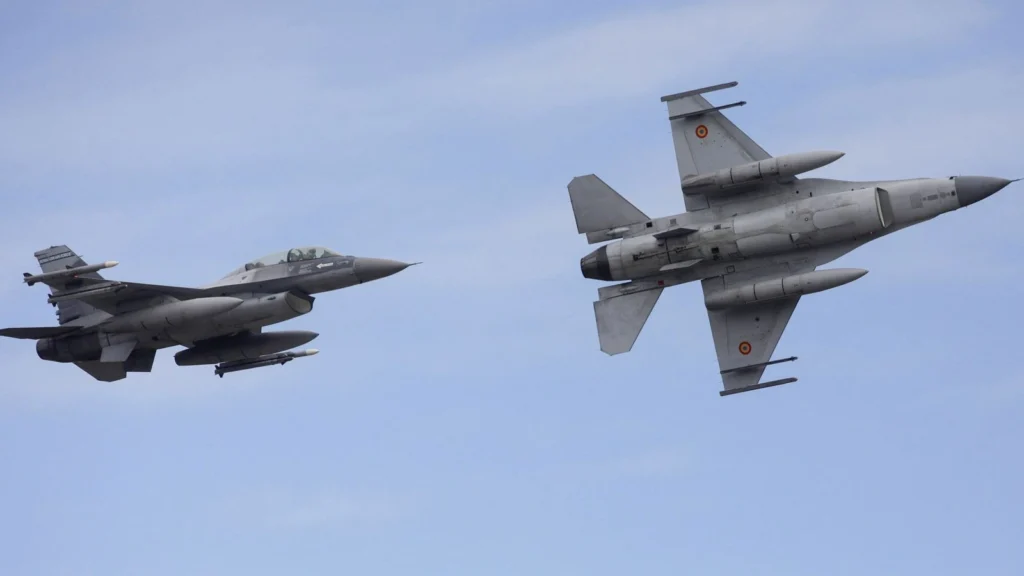
The drone incursion underscores the expanding scope of Russian military operations, which have increasingly impacted not just Ukraine but neighboring NATO countries. While Romania did not confirm whether the drone was destroyed or intercepted, the swift response highlights NATO’s readiness to protect its member states from any spillover of conflict. Romanian authorities are now investigating the origin and type of drone involved in the breach.
Regional Tensions Rise After Poland Incident
Romania’s experience follows a similar incident in Poland earlier this week, where the Polish air force shot down multiple Russian drones that had entered its airspace. The Polish government condemned the violation, emphasizing that attacks on NATO members could trigger the alliance’s collective defense mechanisms under Article 5 of the NATO treaty.
The successive breaches in NATO airspace raise serious questions about regional security and the potential for miscalculations that could escalate the conflict. Military experts note that unmanned drones present a unique challenge, as they are harder to detect and intercept compared to traditional aircraft, potentially allowing attackers to probe NATO defenses without triggering full-scale retaliation.
Romania’s Response to the Threat
Romania’s Ministry of Defence released a statement confirming the airspace breach, noting that the country’s air force responded immediately by deploying fighter jets to assess the situation and ensure the security of its skies. The ministry emphasized that Romania takes the protection of its airspace very seriously and remains in close coordination with NATO allies to monitor and respond to potential threats.
Romanian officials have also stressed that no damage was reported within the country’s borders as a result of the drone incursion. However, the incident has sparked renewed debate in Romania regarding the preparedness of NATO countries to respond to unconventional aerial threats, including drones, missile strikes, and cyber-enabled attacks.
Implications for NATO and Regional Security
The drone incursions into Polish and Romanian airspace highlight the ongoing risks posed by the Russia-Ukraine conflict to neighboring countries and NATO members. Analysts argue that these incidents could prompt NATO to accelerate its plans for enhanced surveillance, drone detection systems, and rapid-response measures along its eastern flank.
Furthermore, the incidents raise broader concerns about how far the Russian military is willing to extend its operations beyond Ukraine. NATO’s eastern members have increasingly expressed fears of potential spillover incidents, ranging from drone attacks to missile launches, that could threaten civilian populations and critical infrastructure. The alliance has consistently reiterated that attacks on member states will trigger a coordinated response under Article 5, emphasizing the seriousness of any cross-border aggression.
Historical Context and Modern Threats
Drone technology has become a significant factor in modern warfare, enabling attacks that are relatively low-cost but high-risk in terms of regional escalation. The recent Russian drone attacks on Ukraine have demonstrated their effectiveness in targeting infrastructure, logistics hubs, and military installations. However, as drones cross into NATO territory, their impact takes on a new dimension with potentially far-reaching consequences for international security.
Historically, NATO has relied on traditional air defense systems and fighter jets to protect its airspace, but the proliferation of drone technology poses unique challenges. Drones can operate at low altitudes, follow unpredictable flight paths, and evade conventional radar systems, making them a difficult threat to counter. Romania’s quick scramble of fighter jets demonstrates both readiness and the limitations of current systems, underscoring the need for investment in advanced detection and interception capabilities.
NATO’s Coordinated Measures
Following the incidents in Poland and Romania, NATO has reportedly held emergency consultations to assess the risk of further incursions. Intelligence sharing and joint surveillance have been highlighted as key measures to prevent similar events from escalating. NATO officials have also called for strengthening the alliance’s eastern defenses, including enhanced radar coverage, drone defense systems, and rapid-response aerial units capable of intercepting unauthorized aircraft in real time.
Analysts suggest that repeated airspace breaches could serve as a deliberate probe by Russian forces to test NATO’s readiness and response protocols. By analyzing how member states react, Russia may seek to gauge the alliance’s deterrence capacity and identify potential vulnerabilities in its eastern defenses.
Civilian Concerns and Preparedness
The incursions into Romanian and Polish airspace have also prompted public concern, with citizens in border regions questioning the effectiveness of early warning systems and air defense readiness. Governments have emphasized that civilians are not in immediate danger, but the incidents highlight the importance of continued vigilance, civil defense planning, and public awareness campaigns.
Emergency management agencies in both countries have reportedly updated protocols for civilian alerts, evacuation routes, and communication strategies to ensure preparedness in case of more significant attacks. These measures are part of a broader effort to enhance resilience against both conventional and unconventional threats emanating from the ongoing conflict in Ukraine.
Moving Forward: The Need for Vigilance
As the Russia-Ukraine conflict continues, NATO’s eastern flank remains on high alert. The drone incursions into Romania and Poland serve as a stark reminder that conflicts can have cross-border implications, and that the safety of member states’ airspace cannot be taken for granted. NATO officials have called for strengthened defense measures, continuous intelligence sharing, and rapid-response coordination to prevent future incidents.
The incidents also underscore the importance of diplomatic engagement alongside military readiness. While NATO remains committed to defending its member states, ongoing dialogue with Russia and other stakeholders is crucial to avoid miscalculations that could lead to broader regional escalation. The alliance’s approach seeks to balance deterrence, readiness, and diplomacy in managing a complex and evolving security environment.
Protecting NATO’s Skies in the Modern Era
Romania’s swift response to the drone incursion highlights both the readiness and the challenges facing NATO in protecting its eastern borders. While no harm occurred in this instance, the incidents in Romania and Poland demonstrate the evolving nature of threats in the 21st century, where drones, cyberattacks, and unconventional warfare can pose serious risks to international security. Vigilance, preparedness, and regional cooperation remain key to safeguarding NATO airspace and preventing future escalations.
Click Here to subscribe to our newsletters and get the latest updates directly to your inbox.