
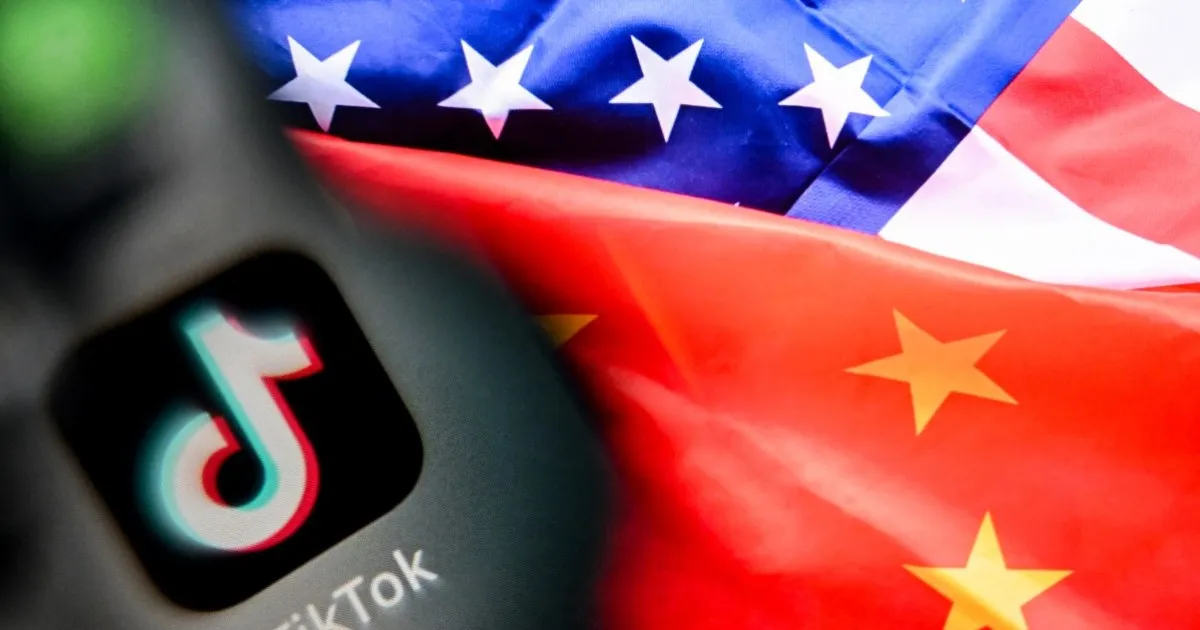
Trump Announces TikTok Deal and Surprise China Visit After Call with Xi Jinping
In a significant diplomatic and technological development, US President Donald Trump announced on Friday that the United States and China have reached an agreement ensuring the continued operation of TikTok in America. This breakthrough came after Trump’s first phone call in three months with Chinese President Xi Jinping—and it wasn’t just about the fate of an app. The leaders also discussed trade, the opioid crisis, and the ongoing war in Ukraine, and made plans for reciprocal state visits in the months ahead.
A Breakthrough After Months of Stalemate
The saga surrounding TikTok—a wildly popular app owned by China’s ByteDance—has played out for more than a year, with US lawmakers citing national security concerns and threatening to ban the service unless its American operations were sold to a US-controlled entity. In April 2024, US Congress passed legislation mandating that ByteDance divest its majority share in TikTok to avoid a total shutdown of the app in the US by January 2025.
Trump had already extended the deadline for ByteDance to comply several times, balancing national security rhetoric with political concerns (TikTok is especially popular among young Americans, an important voting demographic). On September 19, however, he delivered the news users had been waiting for: “I just completed a very productive call with President Xi of China. We made progress on many very important issues including Trade, Fentanyl, the need to bring the War between Russia and Ukraine to an end, and the approval of the TikTok Deal,” Trump posted to Truth Social.
What’s Actually in the TikTok Deal?
While all the details are not yet public, reports suggest that the framework agreement involves shifting control of TikTok’s US operations to a consortium of American investors, while keeping a minority equity stake (around 20 percent) owned by Chinese firms—including ByteDance. The deal was reportedly hammered out during trade discussions in Madrid earlier in the week. American tech industry figures, such as Larry Ellison (Oracle’s executive chairman) and Marc Andreessen (Silicon Valley venture capital leader), have both been rumored as key players in the buyout.
Crucially, the deal is designed to safeguard the data and privacy of US TikTok users by mandating that all user information and key technology be managed in the United States. This is meant to appease US lawmakers’ worries that TikTok, under Chinese ownership, could share user data with Beijing or manipulate its recommendations for propaganda purposes.
The White House and Congress are expected to closely review the details, and the deal will likely require final legislative approval and a green light from ByteDance’s board in China.
The Political and Economic Stakes
TikTok, with roughly 175 million US users, occupies a unique spot in the ongoing rivalry between the world’s two superpowers. For Washington, it’s about national security, data privacy, and the power to set the rules for global tech giants operating in America. For Beijing, it’s a matter of technological pride and influence.
Trump’s political motivations add another twist: having credited TikTok with energizing young voters during last year’s presidential race, he’s eager not to alienate that demographic just as his reelection campaign heats up. “TikTok has tremendous value—and the United States has that value in its hand because we’re the ones that have to approve it,” he declared on Thursday.
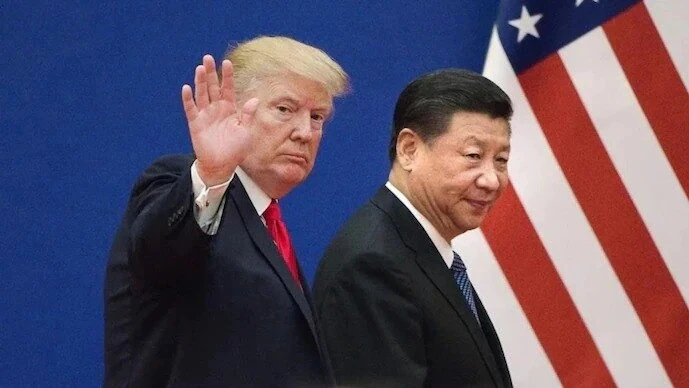
Meanwhile, Chinese officials have signaled in state media that the provisional agreement on TikTok is a “win-win,” adding that it entails collaboration on both technology licensing and management of data. For Beijing, conceding TikTok’s US operations is negotiable if it helps lower overall tensions—especially with other, more critical technology disputes looming.
Beyond TikTok: Calls for Broader Cooperation
Trump and Xi’s call didn’t stop at TikTok. The two leaders touched on trade—another source of friction, with tariffs and export controls still in effect—and on the worsening fentanyl crisis, with American authorities pressing China to crack down on synthetic opioid shipments. Notably, they also discussed the war in Ukraine, signaling the US hopes for Chinese help to encourage a resolution.
According to Trump, the conversation was “very productive,” and the two presidents agreed to meet at the Asia-Pacific Economic Cooperation (APEC) summit in South Korea late this year—potentially their first face-to-face since Trump’s return to the White House. Furthermore, Trump disclosed plans for a state visit to China “early next year,” with Xi expected to visit the US at “an appropriate time”.
Diplomatic observers see these moves as a sign that the US and China are seeking to lower tensions and avoid confrontation after several years of rocky relations, technological decoupling, and military posturing.
National Security Concerns Remain
Still, there’s skepticism in Washington. Many lawmakers, including some who support the TikTok deal, warn of the risks in any continued Chinese involvement in the company. The Justice Department and US cyber agencies have reportedly demanded robust guarantees that TikTok’s American database and proprietary algorithms will not be subject to Chinese government oversight, even indirectly.
Some critics argue that unless the divestment is absolute, TikTok’s influence—and the possibility of foreign interference in US politics—remains a live concern. On the other hand, US tech magnates see the TikTok deal as a valuable, if hard-won, prize: acquiring not only a thriving social media ecosystem but a direct line to millions of young users.
What Happens Next?
With the framework in place, officials in both countries must finalize the details and secure the necessary legal and political approvals for the TikTok deal to move forward. The new control structure, likely with a US-based data center and independent audit arrangements, is expected to be operational by early 2025.
If all goes according to plan, TikTok will continue to operate for the vast and passionate US user base, avoiding the drastic bans or forced spin-offs that once seemed inevitable.
Meanwhile, the announcement of reciprocal visits in 2026 signals a thaw in high-level engagement between the US and China, potentially opening the door to further cooperation—or, at least, to managing rivalry in a less confrontational way.
Conclusion
President Trump’s announcement of a TikTok deal and plans to meet Chinese President Xi Jinping next year mark a rare bright spot in US-China relations. While the details remain subject to negotiation and political scrutiny, the move could set the stage for progress not just on technology disputes but on broader global issues. Whether the goodwill survives the stresses of competition is an open question—but for now, one of the world’s most popular social media apps, and the millions who use it, have gained a reprieve from geopolitical crossfire.
Click Here to subscribe to our newsletters and get the latest updates directly to your inbox