
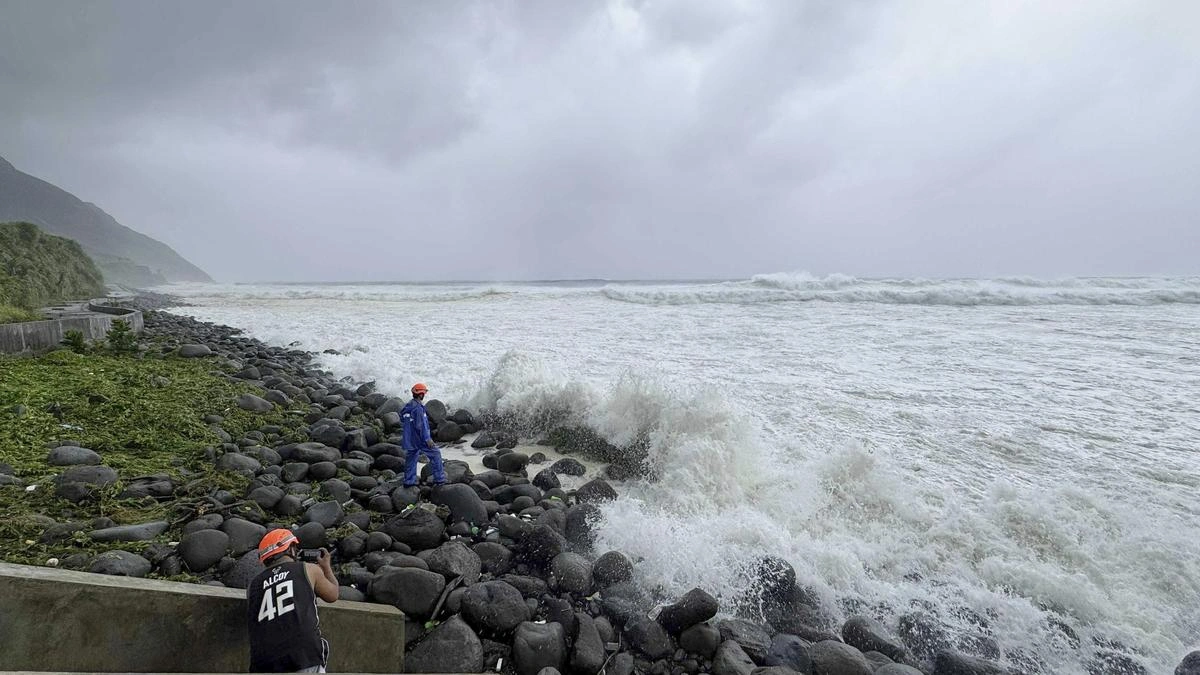
Super Typhoon Ragasa Hits Northern Philippines and Taiwan: Evacuations, Closures, and Rising Concerns
The northern Philippines and neighboring Taiwan are bracing for the impact of Super Typhoon Ragasa, one of the strongest storms to hit the region this year. Authorities have already initiated large-scale evacuations, closed schools and offices, and issued warnings to residents as the typhoon threatens heavy flooding, landslides, and widespread disruptions.
Super Typhoon Ragasa: A Powerful Force
According to the Philippine Atmospheric, Geophysical and Astronomical Services Administration (PAGASA), Super Typhoon Ragasa has sustained winds reaching 215 kilometers per hour (134 miles per hour), with gusts peaking at 265 kph (165 mph). The storm is currently centered east of the island town of Calayan in Cagayan province, moving steadily towards the northern islands of the Philippines and eventually targeting southeastern China.
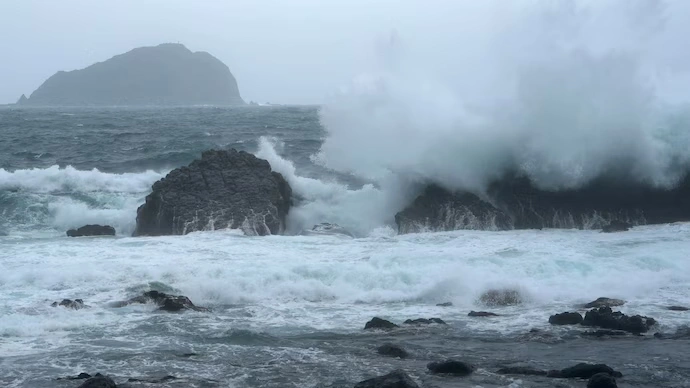
Meteorologists have categorized Ragasa as a Category 4-equivalent typhoon, capable of causing severe structural damage, uprooting trees, and inundating low-lying communities. Officials have noted that the combination of strong winds, torrential rainfall, and high waves presents a serious threat to both human life and property.
Widespread Evacuations and Precautionary Measures
In preparation for Ragasa, thousands of residents from coastal and low-lying villages in northern Luzon have been evacuated to safer areas. Local governments, in coordination with disaster response agencies, have set up temporary shelters in schools, community halls, and government facilities.
Schools and offices in northern provinces including Cagayan, Isabela, and Ilocos Norte have been closed as a preventive measure. Local transport services, such as ferries and buses, have also been suspended to ensure public safety. Authorities have warned residents to avoid traveling and stay indoors until the typhoon passes.
In Taiwan, precautionary measures have been implemented as Ragasa approaches. Several schools, government offices, and businesses in northern Taiwan have been closed, and emergency services are on high alert. Residents in flood-prone areas have been advised to relocate to higher ground, and coastal areas have been warned about the risk of storm surges.
Risks of Flooding and Landslides
The Philippines is particularly vulnerable to flooding and landslides during typhoon season, and Ragasa is no exception. Heavy rains are expected to trigger flash floods, river overflows, and landslides, especially in mountainous regions of northern Luzon.
Local disaster officials have emphasized the importance of preparedness kits, including food, water, flashlights, and medical supplies. Residents have been advised to monitor updates from PAGASA and follow evacuation orders without delay.
Taiwan, though more prepared with modern infrastructure, is also susceptible to flooding and landslides in hilly regions. Authorities have activated early warning systems and deployed rescue teams to potential risk areas.
Impact on Transportation and Commerce
Typhoons like Ragasa have a significant impact on transportation and commerce. In the Philippines, ferry services connecting the islands have been suspended, and some flight operations have been canceled or delayed. Road travel is expected to be hazardous due to slippery surfaces, fallen trees, and debris.
The agricultural sector, already facing challenges due to climate variability, may also be heavily affected. Rice paddies, corn fields, and vegetable farms in northern Luzon are at risk of flooding, which could impact local food supply and livelihoods.
In Taiwan, transport disruptions are expected mainly in northern regions. High-speed rail and local train services have issued warnings, and port operations may be temporarily halted to ensure safety.
Preparing for Aftermath
Disaster management agencies in both countries are not only focused on immediate evacuation but also on post-typhoon recovery. Emergency response teams are pre-positioning supplies like food, water, and medical aid to affected areas. Hospitals and health centers are on alert to treat injuries or waterborne illnesses that may arise after flooding.
Governments are also coordinating with international organizations to provide potential humanitarian aid if Ragasa causes significant damage. Community volunteers and local NGOs have been mobilized to assist with evacuation, rescue, and post-disaster relief.
Lessons from Previous Typhoons
The Philippines and Taiwan have faced severe typhoons in the past, including Typhoon Haiyan in 2013, which caused devastating losses in the Philippines. Lessons from previous disasters emphasize the importance of early warning systems, effective evacuation plans, and community preparedness. Authorities hope that by taking proactive measures, the human and economic toll of Ragasa can be minimized.
Global Implications and Climate Considerations
Super Typhoon Ragasa also highlights the growing intensity of tropical storms in the Pacific, which scientists attribute partly to climate change. Warmer ocean temperatures can lead to stronger winds and heavier rainfall in typhoons, making them more destructive.
The international community is increasingly focusing on climate resilience in typhoon-prone regions, including better infrastructure, advanced forecasting systems, and sustainable urban planning to reduce vulnerability.
Final Thoughts
Super Typhoon Ragasa serves as a stark reminder of the power of nature and the importance of preparation. For residents in northern Philippines and Taiwan, safety is the top priority, and following evacuation orders and official updates can save lives.
While authorities work tirelessly to mitigate the immediate impact, the storm also calls attention to the need for long-term climate adaptation strategies to reduce the risk of future disasters.
As Ragasa moves forward, it is crucial for everyone in its path to stay informed, heed warnings, and prioritize safety over all else.
Click Here to subscribe to our newsletters and get the latest updates directly to your inbox