
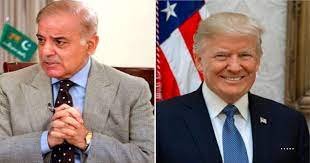
Pak PM Shehbaz to Travel to Washington for Key Meeting with President Trump
Pakistan’s Prime Minister Shehbaz Sharif is set to travel from New York to Washington on Thursday for an important meeting with US President Donald Trump. The brief yet significant trip comes at a time when both nations are exploring ways to reset and rebuild their often complex bilateral relationship. The meeting, scheduled during Shehbaz’s visit to the United States for the UN General Assembly session, carries considerable diplomatic weight, as it will mark his first formal engagement with the American president.
Pakistan and the United States have shared decades of a fluctuating partnership — one marked by moments of close military cooperation and aid, as well as periods of mistrust and disengagement. With new political realities shaping global dynamics, this upcoming meeting is being seen as a crucial opportunity to redefine the trajectory of their ties.
Background of Pakistan-US Relations
The relationship between Pakistan and the United States has always been layered and multi-dimensional. The US has been one of Pakistan’s largest aid donors over the years, supporting its defense, development, and humanitarian programs. However, policy differences, especially regarding counterterrorism, Afghanistan, and nuclear security, have often strained ties.
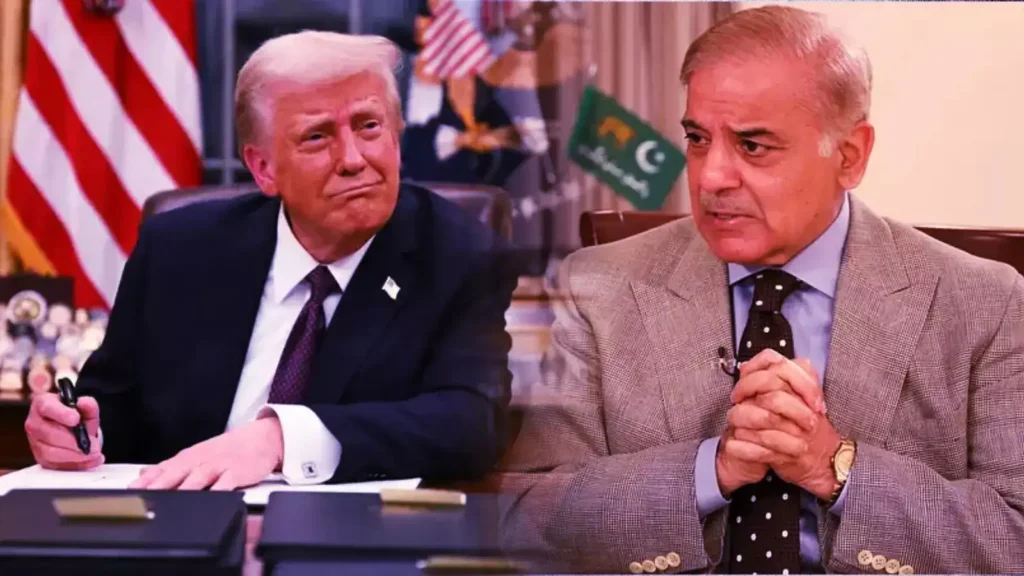
In recent years, US administrations have voiced concerns about Pakistan’s handling of militant groups and its ties with regional players, while Islamabad has emphasized its sacrifices in the fight against terrorism and its strategic importance in South Asia. Against this backdrop, Shehbaz Sharif’s upcoming meeting with Trump is expected to serve as a reset button, aimed at identifying shared goals and reducing friction.
Why This Meeting Matters
The timing of the visit is notable. Pakistan’s interim economic challenges, regional security issues, and its balancing act between global powers make engagement with Washington a necessity. For the United States, Pakistan remains a vital player in South Asia, not only because of its geographic proximity to Afghanistan but also because of its influence in regional security dialogues involving China and India.
The meeting is expected to focus on strengthening trade ties, enhancing cooperation in counterterrorism, and aligning strategies on regional stability. Shehbaz Sharif’s government has also been keen to highlight Pakistan’s efforts in economic reforms and infrastructure development, hoping to secure greater foreign investment and aid support from Washington.
Key Issues Likely to Be Discussed
Several critical issues are expected to dominate the conversation between Prime Minister Shehbaz and President Trump.
One of the top priorities will be counterterrorism cooperation. The US has long emphasized the need for Pakistan to take stronger action against extremist networks. Shehbaz Sharif is expected to reaffirm his government’s commitment to maintaining internal security and countering militancy, while also stressing the sacrifices Pakistan has made in this arena.
Another key issue will be Afghanistan. Even after the US military withdrawal, Afghanistan remains a central concern for both nations. Stability in the region is closely tied to Pakistan’s security, and Washington continues to look toward Islamabad for cooperation in managing cross-border challenges and humanitarian issues.
Economic and trade relations will also feature prominently. Pakistan has been battling inflation, a widening fiscal deficit, and the need for foreign investment. Sharif will likely seek renewed trade deals, concessional arrangements, and investment pledges from the United States.
Finally, regional geopolitics cannot be overlooked. With India-US relations strengthening and China emerging as Pakistan’s closest strategic ally, Islamabad faces the challenge of balancing its global partnerships. The meeting will likely touch upon how Pakistan and the US can collaborate despite shifting alliances.
Diplomatic Symbolism
Beyond the policy discussions, this meeting also carries powerful symbolic value. Shehbaz Sharif’s visit to Washington, even if brief, signals Pakistan’s willingness to re-engage with the US at the highest level. For Trump, the meeting offers a chance to showcase his administration’s global outreach and strategic engagement with South Asia.
Symbolism matters in international diplomacy, and even short meetings can reset tones, open channels of communication, and lay the groundwork for longer-term cooperation. Analysts note that such diplomatic gestures often pave the way for deeper strategic dialogues in the months that follow.
Regional and Global Reactions
The international community will be closely watching this development. India, Pakistan’s regional rival, will be assessing the outcome carefully, particularly in terms of Washington’s position on South Asian stability. China, Pakistan’s closest ally, will also monitor the meeting to evaluate whether US-Pakistan ties could influence its own projects, especially the China-Pakistan Economic Corridor (CPEC).
For the Middle East, where Pakistan maintains significant labor and defense ties, the visit will also be seen as a signal of Islamabad’s global balancing act. Meanwhile, multilateral institutions like the IMF and World Bank may interpret stronger US-Pakistan relations as a positive sign for Pakistan’s economic future.
What This Means for Pakistan’s Domestic Audience
At home, Shehbaz Sharif’s meeting with Trump will be presented as a diplomatic victory. For a government navigating domestic political pressures and economic challenges, global recognition at the highest level provides legitimacy and a morale boost. Pakistani citizens, particularly those with relatives in the US or those reliant on remittances, will look at the meeting as a step toward improving bilateral ties and expanding opportunities abroad.
The government will likely highlight this trip as evidence of Pakistan’s relevance on the global stage, emphasizing its strategic role in regional peace and economic cooperation.
Looking Ahead: The Road for US-Pakistan Ties
While one meeting cannot solve decades of complexities, it can serve as an important starting point. If the discussion is constructive, it may pave the way for follow-up visits, defense dialogues, and economic agreements. For Pakistan, building trust with Washington while maintaining close ties with Beijing will be the balancing act of the future.
The next few months will be crucial in determining whether this visit becomes a stepping stone to stronger relations or simply a symbolic exchange. Much will depend on how both governments implement any agreements reached during this conversation.
Towards a Possible Reset
Prime Minister Shehbaz Sharif’s upcoming meeting with President Donald Trump represents more than just a diplomatic encounter. It symbolizes the possibility of resetting a complicated relationship that has defined South Asian geopolitics for decades. With economic challenges, security concerns, and shifting global alliances, both nations have reasons to seek cooperation.
As Sharif travels to Washington from New York, expectations are high that this meeting will not only reaffirm bilateral ties but also chart a pragmatic course for the future. Whether it leads to long-term transformation or serves as a temporary patch remains to be seen, but for now, it signals renewed dialogue and cautious optimism.
Click Here to subscribe to our newsletters and get the latest updates directly to your inbox