
Burkina Faso Rejects U.S. Proposal to Take in Foreign Deportees Amid Rising Tensions
In a bold move that underscores its growing independence from Western influence, Burkina Faso has rejected a proposal by the United States to accept foreigners deported under President Donald Trump’s immigration crackdown. The West African nation’s government made it clear that it will not serve as a destination for people being expelled from the U.S., regardless of their origin.
Burkina Faso’s Foreign Minister, Karamoko Jean-Marie Traore, stated firmly that the proposal from Washington was both “unworthy and indecent.” Speaking on national television, he said the government had refused multiple approaches by the U.S. administration seeking to relocate deportees to Burkinabe soil.
Trump’s Immigration Agenda and African Outreach
During his renewed push on immigration, Donald Trump’s administration has sought to deport millions of undocumented immigrants living in the U.S. A key part of that plan has been to negotiate with third countries—especially in Africa—to host deportees who are not their own citizens.
Ghana, Burkina Faso’s western neighbor, had previously agreed to accept some West African nationals deported from the U.S. in September. However, Burkina Faso made it clear that it would not follow suit. The decision reflects both a moral stance and a political signal in a time when Burkina Faso’s leadership is redefining its foreign relations.
“Burkina Faso Is Not a Land of Deportation”
In his statement, Minister Traore said,
“Burkina Faso is not a land of deportation. Our hospitality should not be misused as an opportunity for another country to dispose of populations it finds undesirable.”
He also pointed out that Burkina Faso recently lifted visa fees for all Africans, a move meant to promote unity and mobility across the continent. However, he emphasized that Burkina Faso’s openness should not be mistaken for submission to external pressures.
This statement reflects a growing sentiment among African leaders—especially in Sahelian nations—that they must assert sovereignty and dignity in international affairs, particularly when dealing with Western powers.
Shifting Alliances: From the West to Russia
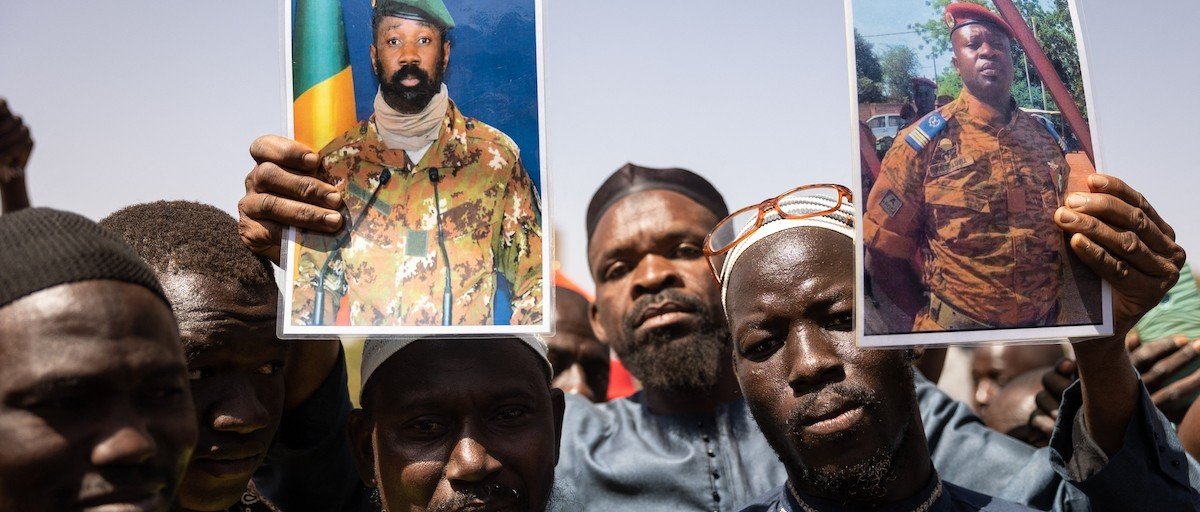
Burkina Faso’s military-led government, under Captain Ibrahim Traore, came to power following two coups in 2022. Since then, relations between the country and Western powers—especially the U.S. and France—have cooled dramatically.
The junta has accused Western nations of failing to help effectively in Burkina Faso’s fight against Islamist insurgencies, which have displaced millions. As a result, Ouagadougou has strengthened ties with Russia, following a path similar to that of neighboring Mali and Niger.
This geopolitical realignment has frustrated Washington and European capitals, which view the growing Russian presence in Africa with suspicion. Refusing the U.S. deportee proposal further illustrates Burkina Faso’s defiance and desire to act on its own terms.
U.S. Embassy Suspends Visa Services
In a notable development, the U.S. Embassy in Ouagadougou announced that it had temporarily paused all routine visa services, advising residents to seek assistance at the American embassy in Lomé, Togo. While no official reason was provided, the timing has led many observers to link the suspension to Burkina Faso’s rejection of Washington’s deportee request.
The U.S. State Department has not commented publicly on whether such a deportation arrangement was formally proposed or on the status of relations with Burkina Faso.
Ghana’s Contrasting Approach
Meanwhile, Ghana confirmed that it had agreed to receive certain West African nationals deported from the United States. However, Accra was quick to clarify that the decision did not constitute support for Trump’s immigration policies, nor was Ghana receiving any compensation in return.
This contrast highlights the diplomatic diversity in West Africa, where nations are weighing moral, political, and economic factors when engaging with Washington’s requests. While Ghana sees cooperation as a pragmatic step, Burkina Faso views resistance as an act of national pride and sovereignty.
Moral and Political Implications
Burkina Faso’s refusal resonates beyond immigration policy—it’s about dignity and self-determination. By rejecting the U.S. proposal, the Traore government is sending a clear message:
Burkina Faso will not be used as a dumping ground for problems created elsewhere.
This decision also serves as a symbolic rebuke of Western double standards. While the U.S. advocates for human rights and international cooperation, critics argue that deporting migrants to third countries—often without proper agreements—violates human dignity and shifts responsibility onto poorer nations.
Moreover, in a country struggling with security challenges, displacement, and poverty, accepting deportees with no direct connection to Burkina Faso could pose social and logistical risks that the government is unwilling to bear.
Public Sentiment in Burkina Faso
Within Burkina Faso, the decision has been met with broad approval. Many citizens view it as a defense of national sovereignty and a necessary step to assert independence from Western influence.
Social media reactions praised the government’s firmness, with some commentators calling the rejection a “moment of African pride.” Others noted that it aligns with the junta’s broader narrative of restoring national dignity and rejecting neo-colonial interference.
A Defining Moment for Burkina Faso’s Diplomacy
Burkina Faso’s stance could set a precedent for other African nations facing similar proposals. As global migration pressures rise, wealthier countries are increasingly seeking to externalize their deportation processes. Yet, as Burkina Faso has shown, not every nation is willing to comply.
By standing firm, the Traore government has positioned itself as a voice of resistance in Africa’s evolving relationship with the West. Whether this will bring long-term diplomatic isolation or respect remains to be seen—but one thing is clear:
Burkina Faso intends to chart its own path in world affairs.
Conclusion
Burkina Faso’s refusal to receive deportees from the United States is more than a diplomatic disagreement—it’s a statement of national sovereignty, ethical governance, and regional leadership.
In rejecting what it viewed as an indecent proposal, Ouagadougou reaffirmed its belief that African nations deserve respect and equal partnership, not exploitation under the guise of cooperation.
As the world watches how U.S.-Africa relations evolve, Burkina Faso’s bold decision could inspire a new wave of assertiveness among nations seeking to reclaim control of their own destinies.
Click Here to subscribe to our newsletters and get the latest updates directly to your inbox