
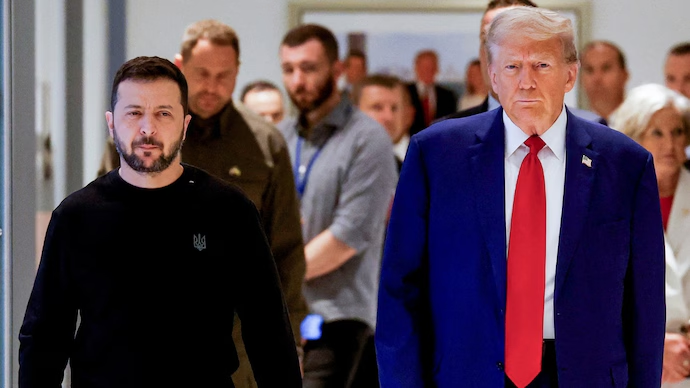
Ukraine’s Zelenskyy Thanks US and Trump Amid Debates Over Gratitude and Aid
Ukraine’s President Volodymyr Zelenskyy has publicly expressed his gratitude to the United States—and to President Donald Trump personally—for supporting Kyiv in its struggle against Russia. This message comes after days of diplomatic tension and public comment in which President Trump had claimed that Ukrainian leaders had shown “zero gratitude” for American help. The exchange, set against the backdrop of ongoing peace negotiations and fresh fighting, highlights how international support and public perception are critical in Ukraine’s fight for survival—and in the broader politics of the war.
Zelenskyy Responds to Trump’s Criticism
On Sunday, President Zelenskyy made a clear effort to show his thanks to Washington and its leadership. Writing on Telegram, he stated, “Ukraine is grateful to the United States, to every American heart, and personally to President Trump for the help which, starting with Javelin [missiles], saves Ukrainian lives.” The mention of Javelins—shoulder-fired anti-tank missiles first provided by the US—is especially significant, since these weapons played a vital role in helping Ukrainian forces repel Russian armor in the early months of the war.
Zelenskyy’s post was an apparent response to Trump’s remarks over the weekend, where he said Ukraine’s leaders had offered “zero gratitude” for the massive support provided by the US. The US has supplied tens of billions in military and humanitarian aid to Ukraine since the war began, making American assistance absolutely central to Kyiv’s ongoing resistance.
Why This Exchange Matters
The statements from both leaders are more than just words—they reflect the underlying realities and pressures of international relations during wartime. US support is not guaranteed forever, especially as Congress debates new budgets, and as some American politicians express skepticism about ongoing aid. Trump’s comments suggest a hardening stance from Washington and may foreshadow tougher negotiations or a shift in how the US approaches its role in the conflict should policy priorities change.
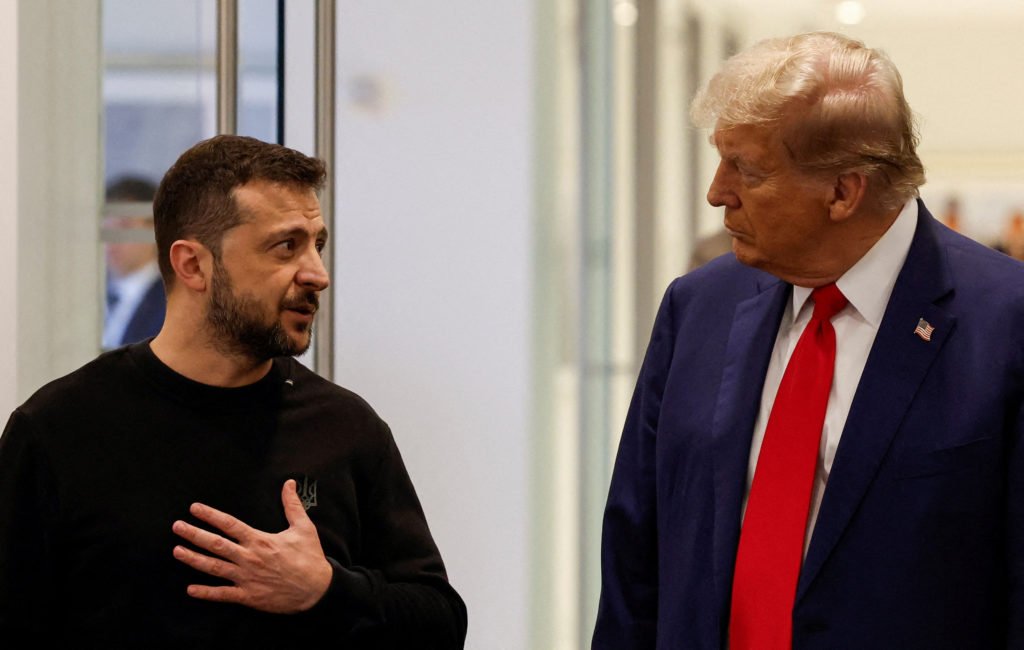
Zelenskyy and his team are acutely aware of this. In his veteran’s post, he also thanked Europe, the G7, and G20 countries, highlighting how global support from various alliances and blocs is key not only to Ukraine’s defense but to its hopes for peace. He wrote, “This is why we are working so carefully on every point, every step towards peace… Everything has to be worked out correctly so that we can truly end this war and prevent war from happening again.”
What Has the US Done for Ukraine?
Since Russia’s massive invasion in 2022, US support to Ukraine has included weapons (such as Javelin missiles, long-range artillery, HIMARS rocket systems, drones, ammunition, and more), economic assistance, defensive intelligence sharing, and humanitarian relief. In both the Biden and Trump administrations, American support has remained strong, though the tone and tactics have changed over time.
Even as Washington debates future budgets and peace proposals, the existing US backing has been crucial: it allowed Ukraine to defend Kyiv, push back Russian forces from key cities, and keep vital infrastructure running in the face of missile and drone attacks. It also gave Ukrainian leaders the diplomatic leverage to seek negotiations on their own terms, knowing the world’s biggest economy had their back.
US-Ukrainian Relations: More Than Politics
Trump’s comments about gratitude are not new in global politics—donors and allies often expect appreciation for expensive or risky support. But in Ukraine’s case, this dynamic is especially sensitive. Kyiv’s struggle for independence is seen around the world as a test of democracy, sovereignty, and international law. For Ukraine, failing to show gratitude could risk losing vital support. For the US, insistence on public thanks may be partly aimed at domestic audiences, reminding voters and Congress that American leadership remains central to world affairs.
Beyond social media posts, both leaders maintain lines of communication through diplomats, military advisors, and coalition conferences. Last week, Ukrainian and American officials were reportedly in Switzerland for talks on a US-led peace proposal—one that, according to news reports, Kyiv fears may require difficult compromises or tough choices about the future of occupied territories.
The Peace Process and the Search for Security
While battles continue on the ground, peace talks are being held in several international venues, with the US, European Union, G7, and regional players all weighing in. Some Western proposals reportedly ask Ukraine to make difficult choices, which has stoked debate within Europe and in Kyiv about what concessions, if any, should be made to end the war.
Zelenskyy has insisted Ukraine will “always defend” its land, signaling no willingness to recognize Russia’s territorial gains. Still, in his recent statements, he was careful to say talks with the US were productive and that Ukraine would “work calmly” with American and European partners to find “constructive solutions.” It is clear the Ukrainian leadership recognizes both the necessity of outside backing and the need to keep allies engaged and supportive throughout negotiations.
Thanking Not Just the US, but the World
Crucially, Zelenskyy extended his thanks beyond Trump and the US—citing Europe, the G7 and G20 countries, and ordinary “American hearts.” This is no accident. The war’s impact stretches well beyond Ukraine, affecting global food prices, energy markets, and security calculations from the Black Sea to the Baltic and beyond. Keeping allies together is a full-time job for Ukraine’s leaders—even as they manage war at home.
What’s Next? Support, Scepticism, and the Need for Unity
Much remains uncertain: Will the US maintain its level of support through future administrations? How will Ukraine and its partners respond to pressure over peace terms? Can Kyiv continue to balance demands for gratitude and sovereignty without losing vital foreign aid?
Zelenskyy’s response—expressing direct thanks and reiterating Ukraine’s gratitude—shows he understands the delicate nature of wartime alliances. For US and allied readers in particular, his message is clear: Ukraine remembers who is standing by its side, and it will continue to work “carefully” to ensure those relationships endure as it fights for its future and seeks real, lasting peace.
Click Here to subscribe to our newsletters and get the latest updates directly to your inbox