

RBI Bulletin: Fiscal and Monetary Reforms to Drive Private Investment and Growth in India
The Reserve Bank of India (RBI), in its November 2025 bulletin, has expressed optimism about India’s economic outlook, highlighting a range of fiscal and monetary measures introduced this year that are expected to set off a virtuous cycle of private investment, productivity, and growth. Despite ongoing external pressures such as global economic uncertainties and trade turbulence, the RBI notes that the Indian economy is gaining fresh momentum. This uptick is supported by solid growth in manufacturing and services sectors, firmer rural demand aided by favorable monsoon conditions, and the positive effects of Goods and Services Tax (GST) reforms.
Fiscal and Monetary Measures Driving Growth
One of the key highlights of the RBI bulletin is the synergy between fiscal and monetary policies helping to pave the way for sustainable economic expansion. On the fiscal side, the government introduced multiple measures including rationalizing GST rates—lowering taxes on several goods and services—and providing relief in income tax brackets for individuals and businesses. Such reforms aim to increase disposable income and reduce compliance burdens, spurring consumer spending and business investment.
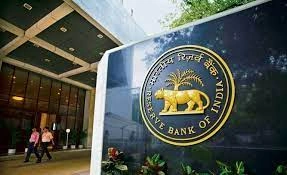
On the monetary front, the RBI has implemented accommodative policies, including a notable 100 basis points reduction in the repo rate in 2025, making borrowing cheaper. Lower interest rates encourage lenders to extend credit, allowing businesses to finance expansions, capital expenditure, and innovation projects more readily. The combined fiscal and monetary approach is intended to catalyze private investment and break a sluggish cycle of low growth.
Robust Demand and Production Indicators
High-frequency economic indicators published in the bulletin reveal a robust expansion in both manufacturing and services in October, strongly influenced by festive season demand. The rural economy, bolstered by strong agricultural output and favorable monsoon rains, played a decisive role in steering overall demand. This rural upturn translated into record-high sales of two-wheelers and automobiles in October, traditionally seen as bellwethers for broader economic health.
Urban demand also rebounded sharply, with passenger vehicle sales reaching their highest level in nine months. This pickup signals renewed consumer confidence and investment appetite in major cities, which represent significant drivers of India’s consumption-led economy.
Inflation Down to Historic Lows
Supporting the growth narrative, headline inflation measured by the Consumer Price Index (CPI) moderated sharply to a historic low of approximately 0.3 percent in October 2025, down from 1.4 percent in September. This marginal inflation rate remains well below the RBI’s target ceiling of 4 percent, and is primarily driven by continued declines in food prices and the beneficial impact of GST rate reductions.
Low and stable inflation creates a conducive environment for investment and growth, preventing input costs from spiraling and preserving consumer purchasing power. This stability also allows the central bank flexibility to adjust monetary policy in response to domestic and global conditions without risking runaway price rises.
Improved Financial and Credit Flow Ecosystem
The RBI bulletin underscores that not only macroeconomic fundamentals but also financial market conditions have improved. The combination of fiscal discipline and monetary loosening has enhanced the capacity of banks and non-banking finance companies to support the real economy. Regulatory reforms focused on improving the efficiency of financial intermediation have unlocked fresh credit flows, further boosting private sector capital expenditure.
This reform-driven increase in credit availability has been matched by stronger corporate balance sheets and improved business sentiment, key factors enticing companies to commit to new investment projects in power, transportation infrastructure, and manufacturing — sectors historically vital to India’s growth story.
Capital Expenditure and Infrastructure Projects Lead Investment Recovery
Data included in the bulletin show a marked uptick in capital expenditure sanctioned by banks and financial institutions, particularly in infrastructure domains such as power projects, construction, as well as road and bridge development. Investment pipelines in these sectors have been expanding rapidly, driven both by private enterprises and government-backed initiatives.
This investment-led growth trend, as opposed to consumption-driven alone, is critical for sustaining higher long-term productivity. Improved infrastructure accelerates economic activities, reduces costs, and increases competitiveness of Indian businesses domestically and internationally.
Trade and External Sector Update
The RBI bulletin highlights a contraction in exports following three months of expansion, attributed to persistent global headwinds including geopolitical tensions and supply chain disruptions. Meanwhile, imports surged sharply, driven by increased purchases of gold and silver ahead of the festival season—a traditional investment for Indian households—and rising energy costs.
Despite the trade deficit widening to a record $41.7 billion in October 2025, other external factors provide relief. Robust services exports, increased remittances from overseas Indians, benign crude oil prices, and adequate foreign exchange reserves help cushion the domestic economy from external shocks, supporting financial stability.
Durable Economic Resilience and Outlook
The article in the RBI bulletin notes that India’s economy is becoming increasingly resilient, withstanding external pressures better over time. The diversification of India’s energy mix, with more renewables, contributes both to sustainability and to economic stability. The cautious optimism of RBI officials reflects confidence that the combination of fiscal reforms, monetary easing, and regulatory improvements will generate a cycle of rising investment, productivity gains, and sustained growth.
Challenges and Future Policy Direction
While signs point to growth acceleration, the RBI also flags potential risks. Global market exuberance has increased significantly, warranting vigilance due to possible overheating or asset bubbles. The sustainability of recent equity market rallies needs close monitoring to safeguard India’s financial stability.
RBI Governor Sanjay Malhotra has indicated the Monetary Policy Committee (MPC) will carefully assess incoming data to decide whether additional rate cuts are warranted in its December 2025 meeting, balancing support for growth with inflation and systemic risk management.
Opening the Door for a New Growth Era
The combined fiscal, monetary, and regulatory steps taken by the Indian government and Reserve Bank in 2025 are laying the foundation for a virtuous cycle of higher private investment and robust economic growth. As manufacturing and service sectors expand, buoyed by improved rural demand and festive season momentum, India is strengthening its long-term economic resilience.
For businesses and investors, this underscores an era of opportunity as capital expenditure rebounds and credit becomes more accessible. For consumers, historic low inflation offers buying power and price stability. While global uncertainties remain, the outlook is cautiously optimistic that India’s growth trajectory will stay on a solid upward path in the coming financial years.
Click Here to subscribe to our newsletters and get the latest updates directly to your inbox