
Heavy Rain Floods Gaza Tents, Worsening Crisis for Displaced Palestinians
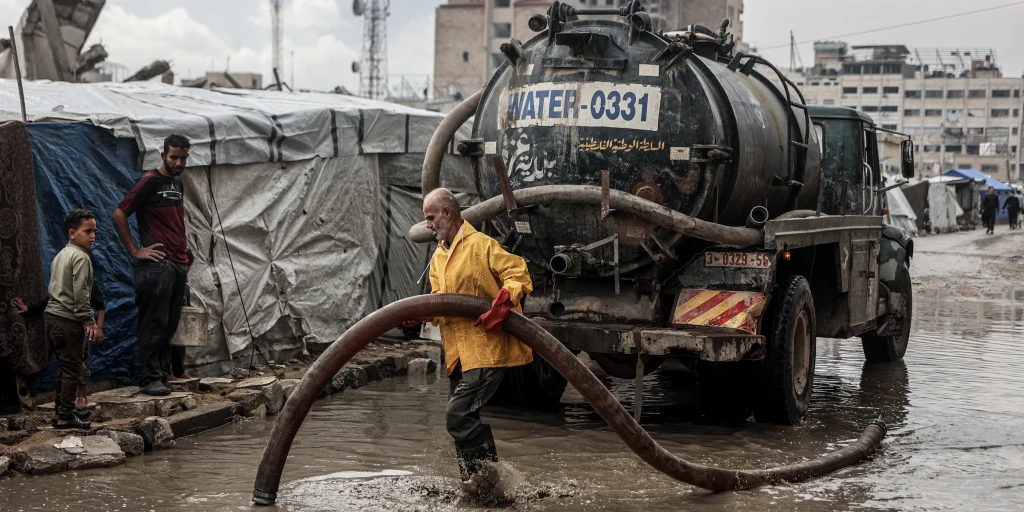
Heavy, unrelenting rain has turned large parts of Gaza’s tent camps into muddy, flooded disaster zones, adding a new layer of misery for hundreds of thousands of Palestinians already displaced by two years of war. Families who lost their homes in the fighting between Israel and Hamas are now watching the little they have left – thin tents, worn tarps, mattresses and clothes – being soaked or swept away by rising water as winter begins to set in.
Two Years of Displacement, No Real Shelter
Most of Gaza’s roughly 2 million people were forced to flee their homes in late 2023, when Israel launched a massive air and ground offensive after the Hamas attacks that killed about 1,200 people and took around 250 hostages. Since then, many Gazans have been living in makeshift camps, crowded into thin tents or shacks made of plastic sheets and scrap wood. A ceasefire brokered in mid-October by the Trump administration has stopped the worst of the fighting, but it has not rebuilt what was destroyed. Local authorities say about 220,000 linear meters of roads and large parts of basic infrastructure in Gaza have been shattered, leaving people with almost no protection from the elements.
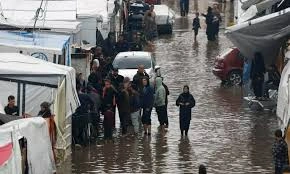
Now, with the first serious winter rains, these fragile shelters are proving no match for the weather. In some parts of the southern Strip, floodwaters have reached 40–50 centimetres high, and entire rows of tents have been washed away. A field hospital also had to halt operations because rooms and equipment were flooded, according to doctors and witnesses on the ground.
“It’s Only the Beginning of Winter”
For families inside the camps, the rain has turned fear and exhaustion into outright despair. Standing outside her tent in the pouring rain, displaced mother Um Ahmed Aowdah described the situation bluntly: “This suffering, this rain – and the low-pressure weather systems haven’t even started yet. It’s only the beginning of winter, and we’re already flooded and humiliated. We haven’t received new tents or tarps. Our tarp is two years old and our tent is two years old – they’re completely worn out.” Her words capture the sense of hopelessness shared by many in the camps, who have been waiting months or even years for sturdier shelter.
Another displaced resident told reporters that people spent hours trying to scoop or pump water out of their tents, only to see mattresses, blankets, and children’s clothes soaked beyond use. For parents, keeping babies and small children warm and dry has become nearly impossible, especially at night when temperatures drop and dampness sets in.
A Massive Shelter Shortage
Humanitarian workers and local civil defence teams say the immediate, overwhelming need is for better tents and more solid housing. Amjad Al‑Shawa, head of the Palestinian NGOs Network, estimates that at least 300,000 new tents are urgently required to provide basic shelter to about 1.5 million displaced people still living in temporary conditions. Gaza’s Civil Defence Service reports that in just a few days of heavy rain, thousands of tents have been flooded or torn by wind, leaving families with nowhere to sleep but wet ground.
The UN’s humanitarian agency says recent storms have damaged or destroyed at least 13,000 tents, wiping out what little protection many families still had. Photos and video from the camps show people standing ankle‑deep in mud, holding children above water, while cooking stoves, food, and medicines are ruined. Aid groups warn that without rapid improvements in shelter, more rain and colder nights will bring a sharp rise in respiratory illnesses, waterborne diseases, and hypothermia, especially among children and the elderly.
Aid Efforts and Access Limits
International agencies are trying to rush in winter supplies: tents, tarps, warm blankets, mattresses, winter clothing, and basic repair materials. UNRWA and other organisations say they have stockpiles of shelter materials that could assist more than a million people, but they face tight restrictions on the number of aid trucks allowed to enter Gaza each day. The UN says current aid deliveries are far below what is needed for such a large displaced population.
Authorities in Gaza accuse Israel of blocking or slowing the entry of key supplies like tents, construction materials, and fuel, despite the ceasefire. Israel insists it is meeting its commitments and says any gaps are due to logistical issues or interference by Hamas. Hamas, for its part, denies claims that it is diverting aid. In the meantime, families on the ground feel stuck in the middle of this political tug‑of‑war, as they watch the rain destroy their makeshift shelters.
Health Risks and Daily Hardship
Flooded camps mean contaminated water, overflowing latrines, and a serious risk of disease outbreaks. Medical staff working in clinics and field hospitals warn that diarrhoea, skin infections, chest infections, and flu‑like illnesses are already increasing. Overcrowding and limited access to clean water make it difficult to maintain basic hygiene. Health workers note that with each storm, the cumulative risk grows: damp tents, cold nights, malnutrition, and stress combine to weaken already fragile immune systems.
For many families, the psychological toll is just as severe. People who have already endured bombings, displacement, and loss of loved ones now face the humiliation of living in flooded camps without privacy or dignity. Parents describe lying awake at night fearing their tents will collapse from wind or fill with water while children sleep. Children are seen walking barefoot in cold, muddy water, without proper winter clothes or shoes. One resident told reporters, “We no longer lead a normal life. We don’t even have proper tents”.
The Bigger Picture: A Shelter Crisis on Top of War
Local officials in Gaza call the shelter crisis “the most dangerous” disaster created by the war, because it affects almost everyone and will stretch over months. With so many homes flattened or inside zones that people cannot safely return to, displaced families have almost no alternative to tent camps. Many sites are set up on low‑lying land, without proper drainage or infrastructure, making them especially vulnerable to flooding.
Humanitarian experts warn that time is running out. Each new storm will deepen the crisis unless there is a large‑scale push to provide hard‑walled shelters, caravans, reinforced tents, and better camp infrastructure such as drainage channels, raised platforms, and safe latrines. Without that, Gaza’s displaced population will spend yet another winter exposed to cold, damp, and disease – this time under relentless rain instead of bombs.
A Desperate Call Before Winter Deepens
The flooding of Gaza’s tent camps is a stark reminder that even when the artillery and airstrikes pause, the suffering for displaced civilians does not stop. Two years after the war began, hundreds of thousands still lack a real roof over their heads. Now the rains have turned their last refuge into ponds of mud and sewage.
Local residents and aid workers are issuing a simple, urgent plea to the world: more tents, better shelters, and faster, freer access for humanitarian aid before winter storms grow stronger. Without that, the coming months may bring not only more hardship, but more preventable deaths—from cold, from illness, and from the slow erosion of hope in a place where so much has already been lost.
Click Here to subscribe to our newsletters and get the latest updates directly to your inbox