
Bangladesh Court Sentences Sheikh Hasina to 21 Years in Jail in Corruption Cases
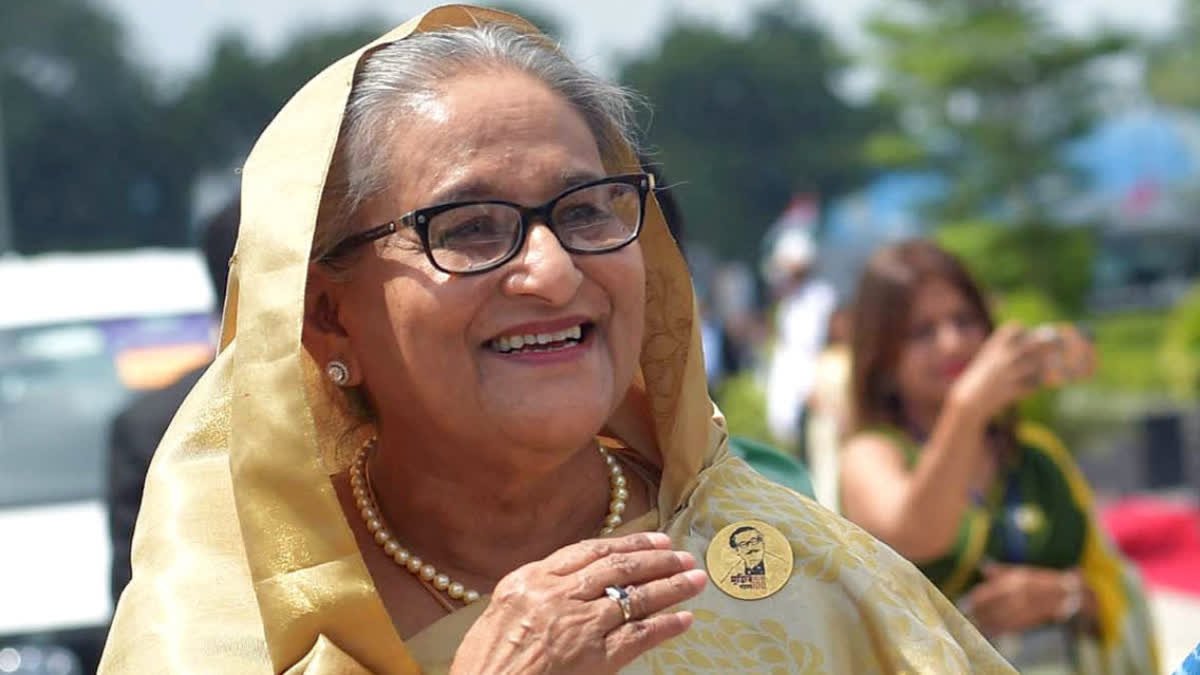
Thursday brought another seismic jolt to Bangladesh’s already turbulent political landscape. A Dhaka court handed down a 21-year prison sentence to former Prime Minister Sheikh Hasina in three corruption cases tied to irregularities in a major government housing project. At 78 years old, the deposed leader—now living in exile in India—faces seven years for each case, to be served consecutively. This verdict from Special Judge Court-5, delivered by Judge Mohammad Abdullah Al Mamun, marks the first major corruption conviction against Hasina since her dramatic fall from power last year.
The cases center on the Rajuk New Town Project in Purbachal, a sprawling development on Dhaka’s outskirts meant to ease the capital’s housing crunch. Prosecutors accused Hasina and her family of illegally grabbing prime plots meant for public allocation, manipulating processes to benefit themselves. Bangladesh’s Anti-Corruption Commission (ACC) filed six such cases back in January, and while verdicts in three more are pending for December 1, the damage is already done. Hasina’s son Sajeeb Wazed Joy and daughter Saima Wazed Putul each got five-year terms, underscoring how deeply the allegations cut into her inner circle.
From Powerhouse to Pariah: Hasina’s Swift Downfall
Sheikh Hasina’s story reads like a political thriller. For 15 years, she ruled Bangladesh with an iron grip, transforming it into one of South Asia’s economic bright spots—GDP growth averaging over 6 percent, poverty slashed, infrastructure booming. Yet her Awami League government’s authoritarian streak alienated many: media crackdowns, opposition harassment, and a controversial election in January 2024 that protesters called rigged. Tensions boiled over in July 2024 with student-led protests against job quotas, morphing into a nationwide uprising. Security forces’ brutal response left nearly 1,400 dead, according to UN estimates, forcing Hasina to flee to India on August 5.
Since then, Bangladesh has been in flux under an interim government led by Nobel laureate Muhammad Yunus. Hasina, holed up in New Delhi, has watched her legacy unravel through absentia trials. Just weeks ago, on November 17, the International Crimes Tribunal (ICT) sentenced her to death for crimes against humanity in suppressing those protests—a ruling she dismissed as “biased and politically motivated.” Now comes this corruption hammer, painting her not just as a tyrant, but a corrupt one who treated public assets like personal fiefdom.
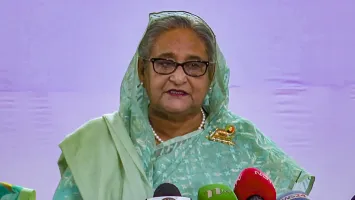
Judge Al Mamun didn’t mince words in court. He described Hasina’s actions as stemming from a “persistent mindset rooted in entitlement, power, and an avaricious view of public property.” She allegedly bent RAJUK—the Dhaka development authority—to allocate lucrative plots in Purbachal, a project envisioned as a modern urban extension but tainted by favoritism. Without lawyers present (as Hasina and family remain absconding), the proceedings moved swiftly, but the Hasina camp has consistently denied wrongdoing, calling the charges vendettas by her rivals.
The Purbachal Plot Scandal: Grabbing Land in Plain Sight?
Purbachal New Town was Hasina’s pet project—a 6,150-acre satellite city to decongest Dhaka, complete with high-rises, lakeside views, and premium plots fetching millions. But according to ACC filings, Hasina exploited her position to siphon off the best parcels for family and cronies. The three cases involve specific irregularities: undervalued allocations, bypassing eligibility rules, and converting government land into private gain. Each carried a seven-year maximum, stacking up neatly to 21.
This isn’t isolated. Hasina faces three more ACC cases, plus probes into her sister Sheikh Rehana and other relatives. Critics long accused her regime of cronyism—sweetheart deals in power plants, ports, and real estate. Supporters counter that such growth required bold decisions, and corruption claims are selective amnesia by a vengeful BNP opposition or Islamist groups. Yet with evidence like allocation records and witness testimonies piling up, the narrative has shifted.
India’s Extradition Dilemma: A Neighbor in a Tight Spot
Hasina’s refuge in India complicates everything. New Delhi hosted her after the uprising, viewing her as a counterweight to Islamist forces and a reliable partner against regional instability. But Bangladesh’s interim government has formally requested extradition—first for the death sentence, now layered with these corruption convictions. India’s External Affairs Ministry confirmed receipt on Wednesday, stating it’s “under examination” while prioritizing Bangladesh’s peace and democracy.
Extradition isn’t straightforward. India and Bangladesh lack a formal treaty, relying on mutual assurances. Hasina’s team argues political persecution; India might see handing her over as legitimizing Yunus’s administration, which has strained ties by targeting Awami League figures. Meanwhile, violence flares in Bangladesh—attacks on Hasina loyalists, election delays pushing polls to February 2026. New Delhi walks a tightrope: alienate Dhaka, and China gains ground; protect Hasina, and risk accusations of shielding a fugitive.
Justice or Witch Hunt? Bangladesh’s Reckoning
Hasina’s defenders see a pattern: rapid trials, absent defendants, interim government pushing aggressively. “Politically motivated,” they say, echoing her speeches from exile. Fair point—Bangladesh’s judiciary under her rule wasn’t exactly impartial either, jailing opponents on flimsy charges. The ICT’s death sentence came after just months, raising due process flags internationally.
Yet accountability matters. The 2024 uprising wasn’t abstract; it was blood-soaked streets demanding an end to dynastic rule—Hasina’s father founded the Awami League, and she positioned her son as successor. Corruption eroded public trust, fueling that rage. These sentences, if enforced, signal no one’s above the law, potentially deterring future abuses. But without Hasina in custody, they feel symbolic, prolonging uncertainty.
For everyday Bangladeshis, the stakes are real. Economic gains under Hasina lifted millions, but inequality festered, youth unemployment sparked the protests. Yunus’s team promises reforms—electoral overhaul, minority protections—but delivery lags amid violence. Hasina’s 21 years (plus death row) won’t fix garment factory woes or flood vulnerabilities, but it closes a chapter on impunity.
What Lies Ahead for Bangladesh?
Three more verdicts loom December 1, possibly piling on penalties. Appeals could drag into years, but with Hasina in India, enforcement hinges on extradition. Elections in 2026 will test if this catharsis yields stability or revenge cycles. BNP leader Khaleda Zia, Hasina’s arch-rival, was released earlier; balance might emerge.
Hasina’s saga underscores South Asia’s volatility: strongmen rise on development dreams, fall to public fury. Her 21-year sentence isn’t just personal—it’s Bangladesh grappling with its past to forge ahead. Whether justice or score-settling, it forces reflection on power’s temptations. For now, the exiled leader fights from afar, but the courts have spoken, and the nation watches.
Click Here to subscribe to our newsletters and get the latest updates directly to your inbox