

India’s Rs 7,280-Crore Rare Earth Magnets Manufacturing Plan: A Giant Leap Toward Self-Reliance
In a decisive push toward self-reliance, the Union Cabinet of India on Wednesday approved a Rs 7,280-crore scheme dedicated to the domestic manufacturing of rare earth permanent magnets (REPMs) — critical components for technologies ranging from electric vehicles (EVs) and aerospace to defence and electronics. This is India’s inaugural integrated rare earth permanent magnet manufacturing initiative, seeking to radically cut the country’s import dependence and solidify its position in the global supply chain for these high-demand, high-value materials.
Rare earth permanent magnets, especially sintered types like neodymium-iron-boron (NdFeB), are among the strongest magnets globally and pivotal in advanced technological applications. Their uses span electric motors, wind turbines, drones, satellites, medical devices, and more. With booming demand driven by the global green energy transition and technology growth, India currently imports almost all its REPM requirements, a vulnerability the government plans to eradicate through this ambitious program.
A Comprehensive, Integrated Manufacturing Ecosystem
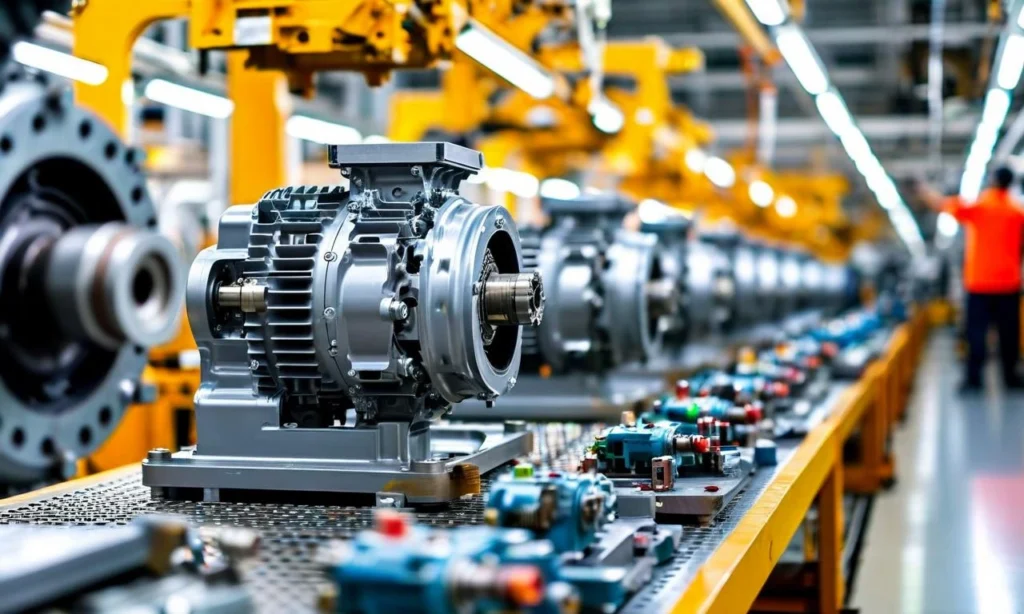
The program aims to establish a manufacturing capacity of 6,000 metric tonnes per annum (MTPA) through the creation of five manufacturing units, each capable of producing up to 1,200 MTPA. These units will cover the complete value chain — from the conversion of rare earth oxides into metals, alloy production, to the final manufacturing of sintered rare earth permanent magnets. This seamless integration ensures efficiency, higher quality output, and significant cost reductions compared to fragmented supply chains.
To achieve this, the government has allocated Rs 750 crore as capital expenditure subsidy to support the setting up of manufacturing facilities and Rs 6,450 crore as sales-linked incentives distributed over five years, fostering not just production but also incentivizing sales growth to develop a sustainable market domestically. The entire scheme spans seven years, which includes a two-year plant setup phase followed by five years of incentive disbursement tied to magnet sales.
Strategic and Economic Rationale
The scheme is integral to aligning India’s industrial development with its broader Atmanirbhar Bharat vision and Net Zero 2070 target. It directly supports critical national sectors:
- Electric Vehicles and Renewable Energy: REPMs are indispensable in the motors that power electric cars and wind turbines, making local manufacturing a game-changer for reducing import dependency and enabling affordable clean energy solutions.
- Aerospace and Defence: Indigenous magnet production ensures secure and reliable supply for defence electronics, precision instruments, and advanced aerospace technologies, shielding critical infrastructure from geopolitical supply disruptions.
- Electronics and Consumer Goods: From smartphones to IoT devices, REPMs enhance efficiency and performance, fueling India’s ambition to become a global electronics powerhouse.
By localizing production, India positions itself as a significant player in the global rare earth magnet market, simultaneously creating thousands of highly skilled jobs and stimulating investment into cutting-edge manufacturing technologies. The government’s focus on environmentally sustainable manufacturing processes further aligns this initiative with ecological commitments, ensuring clean and responsible industrial growth.
Competitive Bidding and Industry Participation
The scheme will allocate manufacturing capacities through a global competitive bidding process, prioritizing companies that demonstrate technological capability, investment readiness, and adherence to environmental standards. While specific beneficiaries will be announced later, interested sectors include semiconductor fabrication firms, automotive suppliers, defence contractors, and specialized electronics manufacturers. Such wide industrial engagement underscores the critical and cross-sectoral importance of REPMs.
Towards a Secure Supply Chain: Reducing Geopolitical Risks
Rare earth magnets are vital components with supply chains historically dominated by a handful of countries, notably China. Geopolitical tensions and export restrictions have exposed vulnerabilities for countries reliant on imports. India’s initiative mitigates these risks by fostering domestic capabilities that protect against supply shocks and price volatility—critical for strategic autonomy in high-tech industries.
Challenges and Future Outlook
While the scheme’s vision is robust, successful implementation demands overcoming technical challenges in rare earth processing, developing skilled manpower, and maintaining competitive costs amid global competition. Continued government-industry collaboration, technology transfer, and infrastructure development will be crucial to accelerate operational timelines and realize full capacity by the late 2020s.
India’s rare earth permanent magnets manufacturing plan sets an important precedent, signaling the country’s resolve to bridge the technology gap with global leaders. If executed well, it promises to bolster India’s manufacturing ecosystem, drive strategic autonomy, and supply the growing domestic and export demand for rare earth magnets across critical sectors.
This Rs 7,280-crore rare earth magnet manufacturing scheme marks a cornerstone in India’s industrial and strategic policy framework—one that promises to transform supply chains, empower emerging technologies, and reinforce India’s global competitiveness in the decades ahead.
Click Here to subscribe to our newsletters and get the latest updates directly to your inbox