
Louvre Museum Hikes Ticket Prices by 45% for Non-EU Tourists After Brazen Heist
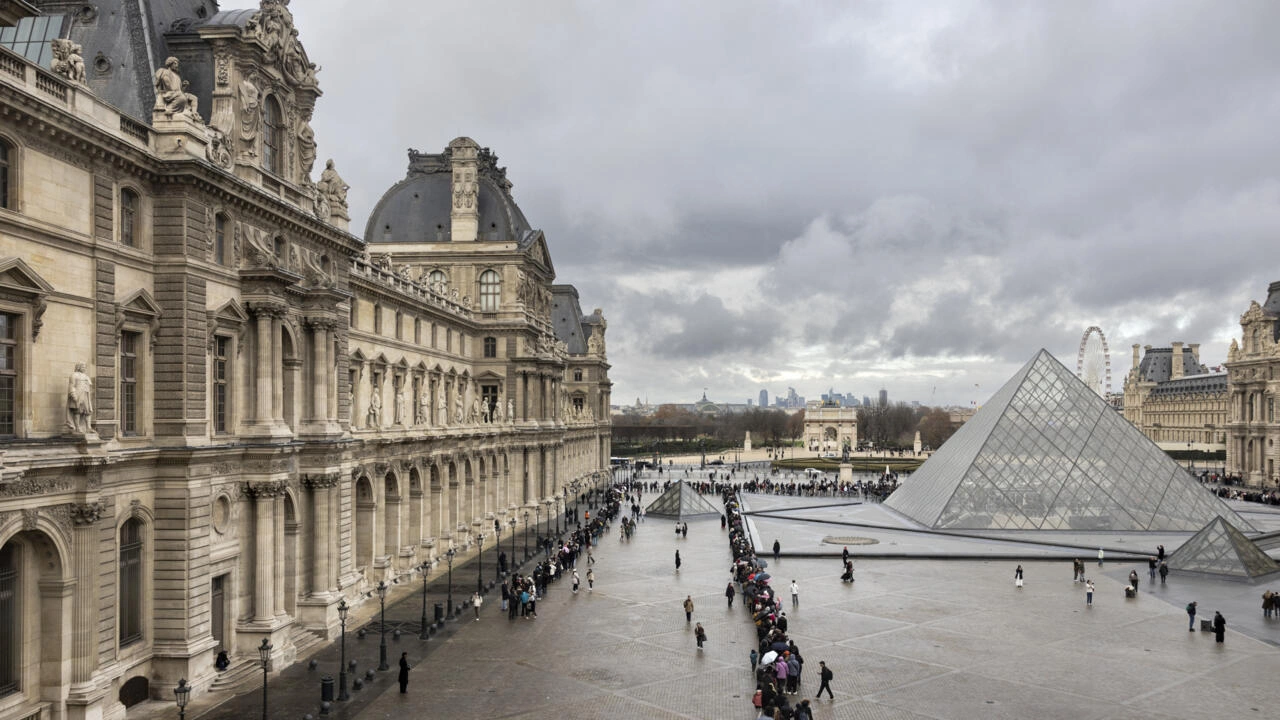
The Louvre Museum, the world’s most visited art institution, announced a controversial decision on Thursday: starting January 14, 2026, ticket prices for tourists from outside the European Economic Area will be raised by 45 percent. Non-EU visitors from countries like the United States, the United Kingdom, and China will now pay €32 (about $37 or £28) instead of the current €22, a significant increase intended to fund major security and infrastructure improvements. The announcement comes a little more than a month after thieves escaped with $102 million worth of jewelry in a major daylight heist, exposing major vulnerabilities at one of the world’s most famous museums.
The timing of the price hike has sparked considerable debate. While the Louvre’s board defends the increase as necessary to modernize outdated security systems and infrastructure, critics say it amounts to punishing tourists for the institutional shortcomings that led to this spectacular theft. Nevertheless, the calculations are intriguing: with approximately 9 million visitors annually – most of them from abroad – the extra revenue could generate enough money for much-needed upgrades.
The Heist That Shook the Art World
On October 19, 2025, a gang of four carried out what many are calling the largest museum robbery in recent memory. In broad daylight, the thieves stole a collection of exquisite jewelry, both historic and valuable. The stolen items included a diamond and emerald necklace gifted by Napoleon Bonaparte to Empress Marie-Louise, jewelry belonging to Queens Marie-Amélie and Hortense, and a magnificent pearl and diamond tiara worn by Empress Eugénie. Within minutes, the gang disappeared, leaving security and museum staff at a loss to understand how such a theft could have occurred at one of the world’s most renowned institutions.
The speed and execution of the theft revealed a shocking truth about the Louvre’s security system. The subsequent investigation revealed outdated surveillance systems, a lack of personnel training, and decades of deteriorating infrastructure. The museum, while culturally invaluable, was technologically and operationally unprepared for a complex criminal operation. For a place that attracts millions of visitors each year and houses countless precious treasures, this was a wake-up call that could no longer be ignored.
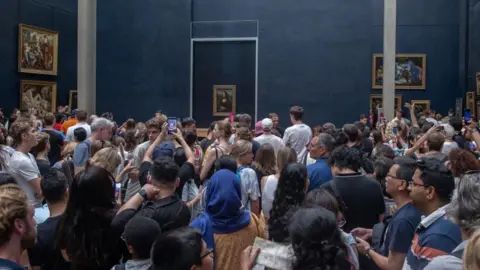
As of now, the stolen jewelry remains missing. However, French authorities have made progress in apprehending the suspects. On November 25, four more suspects were arrested, bringing the total number of people under investigation to eight. Four suspects were previously arrested on October 29 and November 1 and are under formal investigation. French investigating magistrates have filed preliminary charges against three men and one woman suspected of carrying out the daylight robbery.
Understanding the Economic Calculus
The Louvre’s decision to raise ticket prices reflects a pragmatic, albeit unpopular, response to financial imperatives. Last year, the museum received nearly 9 million visitors, most of whom came from outside France. Approximately 11 percent of visitors were from the United States, while about 6 percent came from China. These international tourists are revenue generators for the institution, and a 45 percent price increase translates into additional millions of euros annually.
For context, the previous standard admission price of €22 was already competitive compared to many major museums around the world. The new price of €32 for non-EU tourists places it on the higher side but is still reasonable for a museum of the Louvre’s stature and historical importance. For European visitors, prices remain more modest, allowing for upgrades to physical barriers and access control; training and increasing the number of security staff; and repairing the museum’s aging infrastructure. These are not luxury expenses, but necessary investments to prevent future incidents and ensure visitor safety.
The Broader Context: Museums Under Siege
The Louvre heist is not an isolated incident. Museums worldwide have faced increasing security challenges as criminal organizations target high-value collections. In recent years, several major thefts have made headlines: the 2019 theft of a Picasso from a museum in France, the 2013 Isabella Stewart Gardner Museum theft in Boston that remains unsolved, and various incidents targeting ancient artifacts and precious objects.
What distinguishes the Louvre heist is its brazenness in daylight and the institutional failures it exposed. Unlike some museum thefts where criminals exploited temporary lapses or operated during off-hours, this robbery occurred when the museum was open and presumably staffed. This raises uncomfortable questions about whether even the world’s most famous museums are adequately protected against determined, well-organized criminals.
Visitor Reactions: Between Understanding and Frustration
The price increase has generated mixed reactions. Some visitors from affluent Western countries view the hike as reasonable, understanding the museum’s need to fund security upgrades. Others, particularly tourists from middle-income countries, express frustration at paying significantly more due to circumstances beyond their control—security lapses they didn’t cause.
Budget-conscious travelers and students are likely to feel the impact most acutely. A 45 percent increase transforms a discretionary cultural experience into a more significant financial commitment. Some may choose alternative museums or cultural attractions, potentially impacting the Louvre’s visitor numbers despite the price increase. Others, drawn by the Louvre’s unique status as the world’s most visited art museum, will likely absorb the additional cost.
European Union citizens, by contrast, face more modest increases or none at all, reflecting the museum’s strategy to maintain accessibility for the continent’s residents while extracting more revenue from international tourists.
Structural Issues and Long-Term Solutions
The heist and subsequent price increase highlight broader questions about museum governance and funding. Many major museums worldwide operate under tight budgets, struggling to balance conservation, acquisition, exhibitions, and security with limited resources. The Louvre, despite its prestige, faces similar pressures. Government funding often falls short of actual operational needs, forcing institutions to generate revenue through ticket sales, merchandise, and special exhibitions.
The price increase is a short-term revenue solution, but long-term sustainability requires rethinking museum funding models. Some argue for increased government investment in cultural institutions, while others advocate for diversified revenue streams including corporate sponsorships, private donations, and membership programs. The Louvre’s decision to raise prices represents the most straightforward—if unpopular—option available.
A Museum at an Inflection Point
The Louvre stands at a critical juncture. The heist exposed vulnerabilities that demand immediate remediation, and the price increase represents the institution’s commitment to addressing these issues. Whether the additional revenue will suffice for a comprehensive overhaul remains uncertain. Security upgrades alone, particularly those involving modern technology integration in a centuries-old building, can be extraordinarily costly.
Moreover, the Louvre must balance security imperatives with its mission as a public cultural institution. Over-securitization could transform the museum experience, creating an atmosphere more reminiscent of a fortress than a space for artistic appreciation and cultural enrichment. Finding this balance—security without sacrificing accessibility and ambiance—will be as important as the technical upgrades themselves.
Security, Accessibility, and the Future of Cultural Institutions
The 45 percent increase in ticket prices for non-EU tourists at the Louvre is a necessary response to institutional shortcomings and a controversial decision that will undoubtedly impact visitor demographics. The museum genuinely needs funds to improve security and infrastructure, as evidenced by October’s flagrant theft. However, this solution also raises larger questions about how cultural institutions should fund their operations and maintain accessibility while increasing security.
As the Louvre implements these changes and works toward modernization, it will likely become a case study for museums around the world grappling with similar challenges. The coming months and years will reveal whether the price increase generates sufficient revenue to fund the necessary improvements and whether it significantly alters visitor composition and numbers. Until then, tourists planning to visit the world’s most famous museum should budget accordingly—the Louvre is worth the price, but the price tag itself has become quite high.
Click Here to subscribe to our newsletters and get the latest updates directly to your inbox