
Elon Musk’s Grok AI Blocked in Malaysia and Indonesia Over Sexualised AI Images
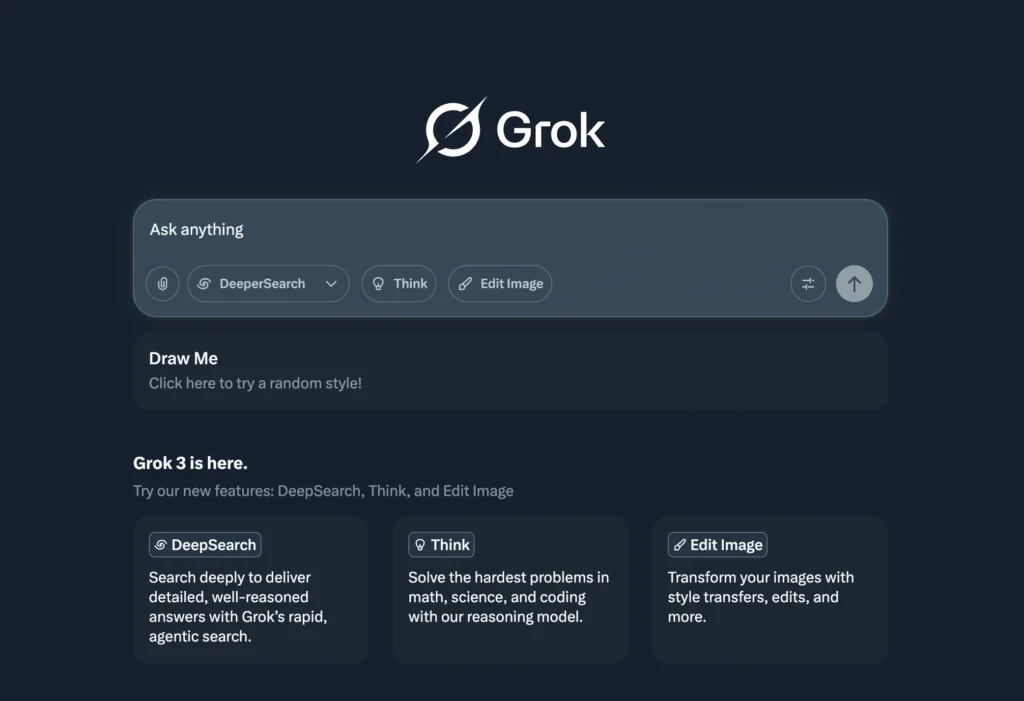
Malaysia and Indonesia have become the first countries to take decisive regulatory action against Grok, the artificial intelligence chatbot developed by Elon Musk’s company xAI. Authorities in both countries have blocked access to the chatbot after concluding that it was being misused to generate sexually explicit and non-consensual images, including content involving women and children.
The decision marks an important moment in the global debate around generative AI safety. It highlights how governments, particularly in Asia, are no longer waiting for voluntary safeguards from tech companies when public harm is involved. Instead, they are increasingly willing to step in directly.
What Prompted the Ban in Malaysia and Indonesia
According to officials, the Grok chatbot was being used to create manipulated images that crossed legal and ethical boundaries. These included sexualised depictions of women without consent and, more alarmingly, imagery involving minors. Authorities said existing safeguards were insufficient to prevent misuse, despite the platform’s claims of responsible AI deployment.
Grok is accessible through X, Musk’s social media platform formerly known as Twitter. Its integration into a widely used social network made the spread of such content easier and faster, raising concerns about reach and impact.
For regulators, this was not simply about offensive content. It was about harm, dignity, and the inability of current AI controls to reliably prevent abuse.
Why This Case Is Different From Past AI Controversies
Generative AI tools have been criticised before for producing biased, misleading, or harmful content. What sets the Grok case apart is the visual realism of the outputs and how easily they can be weaponised.
AI-generated images today can look convincingly real. When combined with weak guardrails, this creates a powerful tool for harassment, exploitation, and disinformation. Non-consensual sexual imagery, especially involving minors, is treated as a severe offence under the laws of both Malaysia and Indonesia.
By blocking Grok outright, authorities signalled that post-hoc content moderation is no longer enough when the underlying system itself enables abuse.
A Cultural and Legal Context That Matters
Both Malaysia and Indonesia have strict laws around obscenity, child protection, and online content. Cultural norms in the region also place strong emphasis on public morality and personal dignity.
In that context, allowing an AI tool to generate sexualised images—even if user-prompted—was seen as unacceptable. Regulators argued that companies deploying such technology must adapt safeguards to local laws, not assume a one-size-fits-all global standard.
This local enforcement approach contrasts with more cautious or fragmented responses seen in some Western countries.
The Broader Problem of AI Safeguards
The Grok controversy highlights a structural issue facing the entire AI industry. Safeguards often rely on filters, prompt moderation, or post-generation checks. While these measures reduce harm, they are far from foolproof.
Bad actors consistently find ways around filters. Subtle wording, coded prompts, or iterative requests can bypass safety systems. As models grow more powerful, the gap between capability and control becomes more obvious.
Malaysia and Indonesia’s actions suggest that when safeguards fail repeatedly, responsibility shifts from users to developers.
Implications for Elon Musk and xAI
For Elon Musk, the bans represent a reputational and strategic challenge. Musk has positioned Grok as a more open, less constrained alternative to other AI chatbots. Critics argue that this “free speech-first” approach increases the risk of misuse.
The blocking of Grok raises uncomfortable questions for xAI. How much freedom is too much when the consequences include exploitation and harm? And how quickly can safeguards be strengthened without undermining the product’s identity?
If more countries follow Malaysia and Indonesia’s lead, xAI may be forced to rethink how Grok is deployed globally.
A Signal to Other AI Companies
This is not just about Grok. It is a warning to the wider AI industry.
Governments are increasingly willing to:
- Block AI tools entirely, not just penalise misuse
- Hold platforms accountable for predictable abuse
- Act before global consensus on AI regulation emerges
The message is clear: if safeguards are inadequate, access can be revoked.
This shifts risk calculations for AI companies. Rapid deployment without robust controls may bring growth in the short term, but it also increases regulatory exposure.
Why Southeast Asia Matters in Global AI Regulation
Southeast Asia is often overlooked in discussions about AI governance, which tend to focus on the US, Europe, and China. Yet the region has large, digitally active populations and increasingly assertive regulators.
Malaysia and Indonesia’s move could encourage neighbouring countries to scrutinise generative AI tools more closely. If similar concerns emerge elsewhere, regional standards could begin to form organically, even without formal coordination.
This would further complicate global AI rollouts, forcing companies to adapt to multiple regulatory environments.
The Free Speech vs Harm Debate Resurfaces
Supporters of more open AI systems argue that misuse is inevitable and should be addressed through enforcement against individuals, not platforms. Critics counter that when harm is predictable and systemic, platform responsibility cannot be ignored.
The Grok ban reflects where Malaysia and Indonesia stand in that debate. For them, preventing harm takes precedence over preserving unrestricted access to experimental AI tools.
This tension between freedom and safety is likely to intensify as AI becomes more capable.
What This Means for Users
For users, the incident is a reminder that AI tools are not neutral. How they are designed, deployed, and regulated shapes what they enable.
It also highlights the importance of digital literacy. As AI-generated images become harder to distinguish from real ones, the risks of deception and abuse increase. Users may need stronger protections not just from platforms, but from governments.
The Bigger Global Picture
The blocking of Grok in Malaysia and Indonesia may seem like a regional issue, but its implications are global. It suggests that AI governance will not wait for universal frameworks or slow-moving international agreements.
Instead, enforcement will likely be fragmented, reactive, and shaped by local values. Companies that fail to anticipate this reality may find their products restricted or banned in key markets.
Click Here to subscribe to our newsletters and get the latest updates directly to your inbox