
Google Veo 3.1 Gets Vertical Video, Improved ‘Ingredients to Video’ and 4K Output
Google has rolled out a significant update to its AI video generation model with the launch of Veo 3.1, adding features that clearly signal where the future of AI-generated video is headed. The update introduces native vertical video generation, major improvements to the ‘Ingredients to Video’ feature, and the ability to generate videos in 1080p and 4K using upscaling.
Together, these changes make Veo 3.1 more practical, more consistent, and far more relevant for creators who want AI-generated content that actually fits modern viewing habits—especially short-form and mobile-first platforms.
Why Vertical Video Matters More Than Ever
One of the most notable additions in Veo 3.1 is native support for vertical video. This is not a cosmetic update. Vertical video has become the dominant format across platforms like Instagram Reels, YouTube Shorts, and TikTok. Until now, many AI video tools forced creators to adapt horizontal outputs for vertical platforms, often resulting in awkward framing or cropped visuals.
With Veo 3.1, users can generate vertical videos directly using reference images. This means the model understands framing, composition, and subject placement specifically for portrait orientation. For creators, this removes an entire layer of post-processing and makes AI-generated videos immediately usable for social media.
The move also suggests Google is no longer treating AI video as a cinematic experiment, but as a real production tool for everyday content creation.
‘Ingredients to Video’ Becomes More Practical
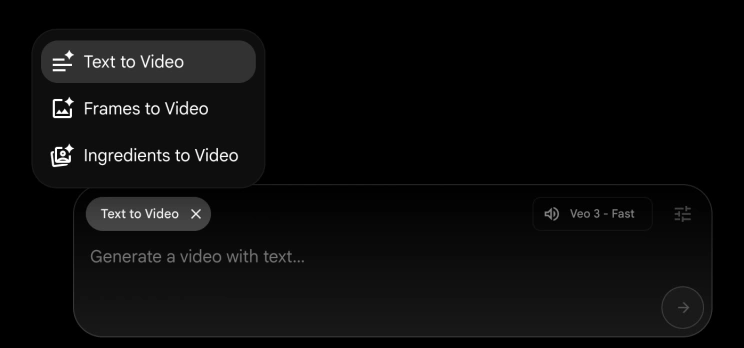
Google is also upgrading one of Veo’s more interesting features: Ingredients to Video. The idea behind this tool is simple but powerful—users provide “ingredients” such as reference images, objects, characters, or settings, and the model turns them into a video.
In Veo 3.1, this feature has become more capable. According to Google, users can now generate dynamic and engaging videos even with short prompts. That matters because overly complex prompts often become a barrier for non-technical users.
The improved system focuses on better visual flow and more natural motion. Instead of static-looking AI clips, the videos are meant to feel more alive, with smoother transitions and more coherent scenes.
Better Storytelling and Dialogue
Another area where Veo 3.1 improves is storytelling. Google says the model now delivers better dialogue handling and more consistent narrative flow. This is important because video is not just about visuals—it is about context, emotion, and continuity.
Earlier AI-generated videos often struggled with scene-to-scene logic. Characters might behave inconsistently, or visual details would shift without explanation. Veo 3.1 aims to reduce those issues by maintaining stronger internal logic across scenes.
For creators working on short narratives, ads, or explainers, this means less time fixing AI mistakes and more time refining creative ideas.
Visual Consistency Across Scenes
One of the most common complaints about AI video generation has been inconsistency. Characters change faces, outfits, or proportions between scenes. Objects lose detail. Backgrounds shift unexpectedly.
Google claims Veo 3.1 significantly improves on this front. Characters are now more visually consistent even when users change settings or generate multiple scenes. This makes it easier to reuse the same character across different shots without breaking immersion.
The update also allows reuse of objects, backgrounds, and textures. For creators building a visual identity or recurring series, this is a major step forward. It brings AI video closer to traditional production workflows, where consistency is essential.
1080p and 4K Output via Upscaling
Resolution has long been a limitation of AI video tools. Veo 3.1 addresses this by adding support for 1080p and 4K output through upscaling. While the base generation may not always start at native 4K, the upscaling process is designed to preserve detail and reduce artifacts.
This makes AI-generated videos more suitable for professional use, including marketing, presentations, and even broadcast-quality applications. High-resolution output also matters for future-proofing content, as display standards continue to improve.
For creators, this means AI videos no longer feel locked into a “low-quality” category.
Who Veo 3.1 Is Really For
While Veo started as a research-focused model, Veo 3.1 feels like a product aimed at real users. Content creators, marketers, educators, and small businesses all stand to benefit from these updates.
Vertical video support targets social creators. Ingredients to Video simplifies workflows for non-experts. Visual consistency and 4K output appeal to professionals who need polish, not just novelty.
Google is clearly positioning Veo as a serious competitor in the growing AI video space, where quality and usability now matter more than experimental flair.
How This Fits Into Google’s Larger AI Strategy
Veo 3.1 also reflects a broader trend in Google’s AI development. The company is focusing less on isolated demos and more on integrated tools that fit real-world use cases.
By improving consistency, storytelling, and output quality, Google is addressing the exact issues that have limited AI video adoption so far. These are not headline-grabbing features on their own, but together they make a meaningful difference.
The emphasis on reuse of characters and assets suggests Google is thinking beyond one-off videos toward longer-term creative workflows.
Challenges That Still Remain
Despite the improvements, AI video generation still faces challenges. Creative control is not absolute, and edge cases can still produce strange results. Upscaling can improve resolution, but it cannot always replace native detail.
There are also broader concerns around copyright, misuse, and disclosure of AI-generated content. As tools like Veo become more powerful, these questions will become harder to ignore.
Google will need to balance accessibility with responsibility as adoption grows.
What This Update Says About the Future of AI Video
Veo 3.1 signals a shift from “look what AI can do” to “here’s how you can actually use it.” Vertical video, consistency, and higher resolution are not experimental features—they are necessities in today’s content landscape.
As AI video tools mature, competition will increasingly be about reliability, quality, and workflow integration rather than raw novelty. Google appears to understand that shift.
Conclusion
With Veo 3.1, Google is making AI video generation more practical, more consistent, and better aligned with how content is consumed today. Native vertical video, improved Ingredients to Video, stronger storytelling, and 4K output address many of the real-world limitations that held earlier versions back.
While challenges remain, this update positions Veo as a serious tool rather than just a technological showcase. For creators looking to experiment with AI video without sacrificing quality or format compatibility, Veo 3.1 represents a meaningful step forward.
Click Here to subscribe to our newsletters and get the latest updates directly to your inbox.