
Bitcoin Rebounds Towards $92,000 as Traders Turn Cautious Ahead of US Inflation Data
Bitcoin has staged a steady rebound towards the $92,000 mark, regaining lost ground as traders brace for a crucial week of US inflation data. The recovery comes amid growing caution in global markets, with investors carefully positioning themselves ahead of economic signals that could shape interest rate expectations and liquidity conditions.
The world’s largest cryptocurrency, Bitcoin, has historically been sensitive to shifts in macroeconomic outlooks, particularly inflation trends and monetary policy decisions. With fresh US inflation figures due, traders appear to be balancing optimism about Bitcoin’s long-term prospects with near-term uncertainty about how policymakers may respond.
A Measured Recovery After Recent Volatility
Bitcoin’s move back towards $92,000 follows a period of choppy trading that saw prices pull back as risk appetite softened across global markets. Profit-taking, mixed economic signals, and a stronger US dollar briefly weighed on crypto assets, pushing Bitcoin lower before buyers stepped in.
The rebound suggests that demand remains resilient at lower levels. Rather than a sharp rally driven by speculation, the current move appears more deliberate, reflecting cautious accumulation by traders who are unwilling to take aggressive positions until more clarity emerges.
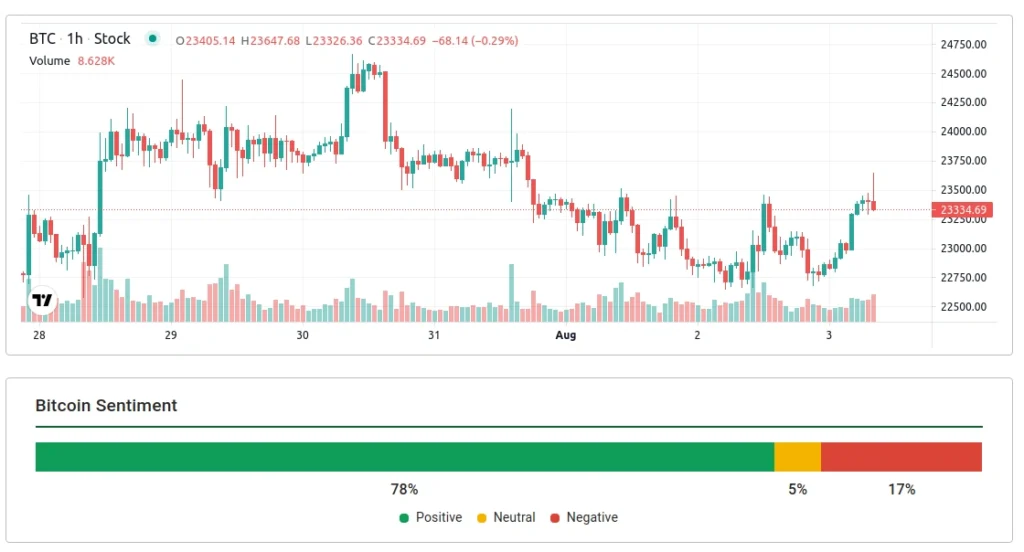
This tone of guarded optimism reflects broader market sentiment, not just within crypto but across equities and commodities as well.
Why US Inflation Data Matters So Much
At the centre of current market anxiety is US inflation. The upcoming data release is expected to play a key role in shaping expectations for the Federal Reserve’s interest rate path.
If inflation shows signs of cooling, it could strengthen expectations that the Fed may ease monetary policy sooner rather than later. Lower interest rates typically improve liquidity conditions, making risk assets such as cryptocurrencies more attractive.
On the other hand, persistently high inflation could force the Fed to keep rates elevated for longer, tightening financial conditions and limiting the flow of capital into speculative markets like crypto.
Bitcoin’s Relationship With Interest Rates
Bitcoin’s price behaviour in recent years has shown increasing correlation with macroeconomic variables. During periods of loose monetary policy and abundant liquidity, crypto markets have tended to perform strongly. Conversely, tighter policy environments often trigger pullbacks as capital shifts toward safer assets.
The current rebound suggests that some traders are betting that inflation will not surprise significantly on the upside. However, the cautious tone indicates that few are willing to fully commit before seeing the data.
This wait-and-see approach explains why Bitcoin’s recovery has been steady rather than explosive.
On-Chain Signals Point to Caution, Not Euphoria
On-chain data suggests that while buying interest has picked up, there is no sign of speculative excess. Long-term holders appear largely unfazed by short-term price fluctuations, continuing to hold rather than sell into strength.
At the same time, derivatives markets show moderate leverage, indicating that traders are avoiding overly risky positions. Funding rates remain relatively neutral, reinforcing the view that the current move is driven more by positioning than by hype.
This measured behaviour stands in contrast to past rallies where momentum quickly turned euphoric.
Institutional Influence Remains Key
Institutional participation continues to play an important role in shaping Bitcoin’s price action. Asset managers, hedge funds, and corporate investors are increasingly viewing Bitcoin as part of a broader portfolio strategy rather than a standalone speculative bet.
This shift has changed how Bitcoin trades around macro events. Instead of reacting purely to crypto-specific news, prices now respond to economic indicators in much the same way as equities or commodities.
As a result, upcoming US inflation data is seen as a decisive near-term catalyst.
Broader Crypto Market Follows Bitcoin’s Lead
Bitcoin’s rebound has provided some support to the wider cryptocurrency market. Major altcoins have stabilised, though gains remain uneven as traders focus on Bitcoin’s ability to hold above key technical levels.
Market participants generally view Bitcoin as the bellwether for crypto sentiment. A sustained move above $92,000 could restore confidence, while failure to hold that level may invite renewed selling pressure.
For now, the market remains balanced between these two possibilities.
Technical Levels Traders Are Watching
From a technical perspective, the $92,000 region represents an important psychological and chart-based level. Holding above this zone could open the door for a retest of recent highs, while a rejection may reinforce resistance.
Support levels below remain well-defined, suggesting that downside risk is limited unless macro conditions deteriorate sharply. This technical structure aligns with the broader cautious optimism seen across trading desks.
Risk Appetite Hinges on Inflation Surprise
The key variable now is whether US inflation data surprises markets. A softer-than-expected reading could boost risk appetite, encouraging inflows into crypto assets. In that scenario, Bitcoin may see renewed momentum as traders price in improved liquidity conditions.
Conversely, an upside surprise on inflation could trigger a pullback, as expectations of prolonged tight monetary policy dampen enthusiasm for risk assets.
Either way, volatility is likely to increase around the data release.
What This Means for Bitcoin’s Near-Term Outlook
Bitcoin’s rebound towards $92,000 highlights its resilience, but it also underscores how dependent near-term price action has become on macroeconomic signals. Unlike earlier phases of the crypto market, today’s environment requires traders to consider central bank policy, inflation trends, and global liquidity.
While long-term believers remain confident in Bitcoin’s role as a store of value and alternative asset, short-term traders are clearly more cautious.
Conclusion
Bitcoin’s climb back towards $92,000 reflects a market that is optimistic but restrained. Traders are positioning carefully ahead of key US inflation data, aware that the numbers could shape the Federal Reserve’s policy outlook and, by extension, crypto liquidity conditions.
The rebound shows that demand remains intact, yet the lack of aggressive buying highlights uncertainty about the near-term macro environment. As inflation data approaches, Bitcoin’s next move will likely depend less on crypto-specific narratives and more on how global markets interpret the path of US monetary policy.
Click Here to subscribe to our newsletters and get the latest updates directly to your inbox.