EU Ministers Approve New Iran Sanctions After Tehran’s Crackdown on Protests
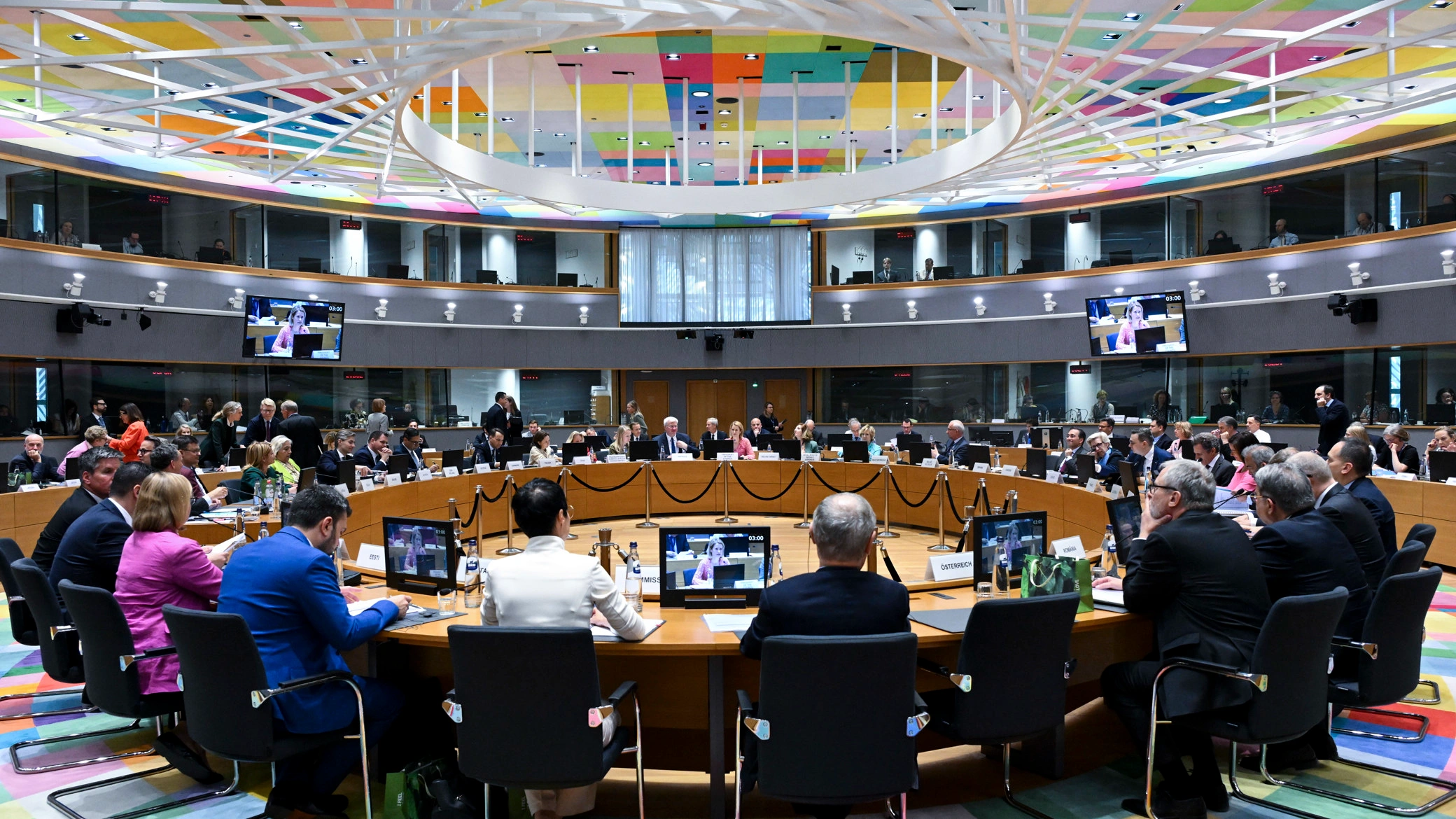
The European Union has taken a significant step in hardening its stance against Iran, with foreign ministers approving a fresh round of sanctions targeting individuals and entities linked to Tehran’s violent crackdown on protesters. The decision, taken during a meeting in Brussels on Thursday, also addresses Iran’s continued support to Russia, further deepening the rift between Tehran and European capitals.
EU diplomats said the sanctions reflect mounting frustration within Europe over Iran’s domestic repression and its growing role in destabilising international security. The measures come amid sustained protests in Iran and renewed scrutiny of the country’s military and political institutions.
Why the EU Has Acted Now
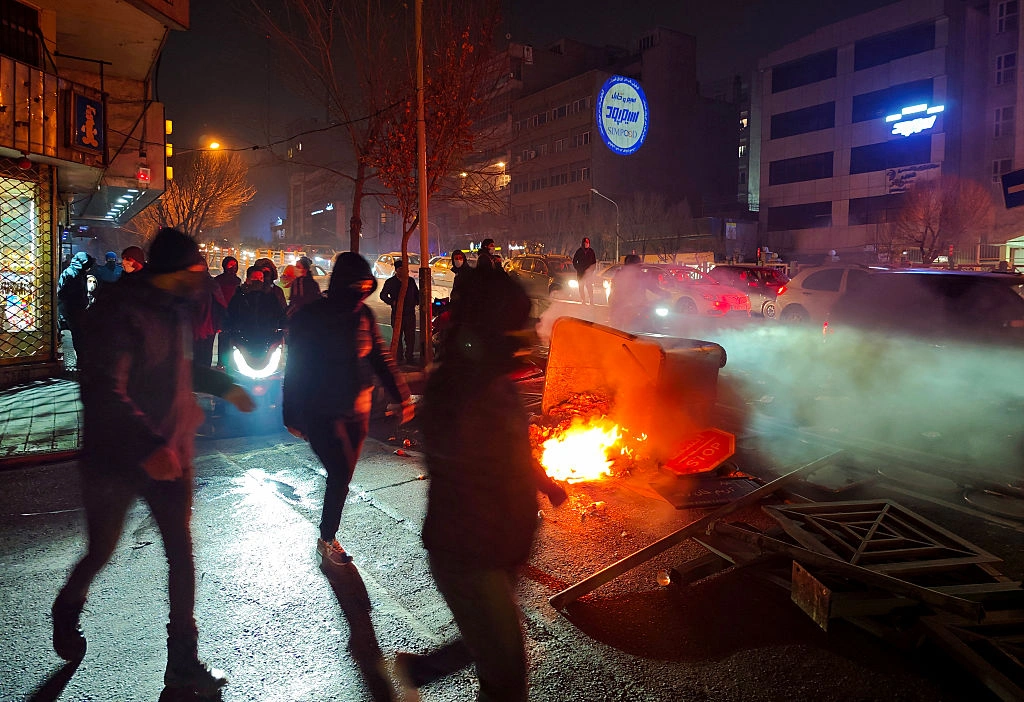
The latest sanctions follow months of unrest inside Iran, where security forces have used force to suppress protests sparked by political, economic, and social grievances. European officials have repeatedly condemned the arrests, violence, and reported human rights abuses, warning that continued repression would not go unanswered.
At the same time, Iran’s military cooperation with Russia—particularly in the context of the war in Ukraine—has added urgency to the EU’s response. European leaders view Tehran’s support for Moscow as a direct challenge to regional stability and EU security interests.
By combining human rights concerns with geopolitical considerations, the EU is signalling that its Iran policy is entering a more confrontational phase.
Who Is Being Targeted by the Sanctions
The newly approved measures focus on individuals and entities accused of playing a role in the violent suppression of protests. This includes senior officials, security personnel, and organisations linked to internal crackdowns.
Sanctions typically involve asset freezes and travel bans within the EU. While largely symbolic in some cases, such measures are intended to isolate key decision-makers and demonstrate international accountability.
EU diplomats say the list may expand if Iran continues to escalate its response to dissent.
The IRGC Move: A Major Political Signal
Perhaps the most significant development is the expected political agreement to include Iran’s Islamic Revolutionary Guard Corps on the EU’s list of terrorist organisations.
If formally enacted, this would place the IRGC in the same category as Islamic State and Al Qaeda. While largely symbolic in practical terms, the move represents a dramatic shift in Europe’s approach toward Iran’s power structure.
The IRGC is a central pillar of Iran’s political and military system, with influence spanning internal security, regional operations, and economic interests. Labeling it a terrorist organisation would further strain diplomatic ties and complicate any future negotiations.
Legal and Diplomatic Challenges
Despite broad political support, designating the IRGC as a terrorist organisation is not without challenges. Some EU member states have expressed concern about the legal basis for such a move and its potential impact on diplomatic channels.
There are also fears that Iran could retaliate by detaining European nationals or further restricting cooperation on issues such as nuclear non-proliferation and regional security.
Still, many EU officials argue that the symbolic power of the designation outweighs the risks, particularly given the IRGC’s role in domestic repression and foreign operations.
Iran’s Likely Response
Tehran has repeatedly rejected EU criticism, framing sanctions as interference in its internal affairs. Iranian officials have warned that additional measures would damage relations and could prompt reciprocal action.
Past sanctions have not led to immediate policy changes, but they have contributed to Iran’s economic isolation and diplomatic strain. Analysts say the latest steps are unlikely to alter Tehran’s behaviour in the short term but could increase pressure over time.
Iranian state media has already portrayed the EU’s actions as politically motivated and aligned with Western adversaries.
Impact on EU–Iran Relations
Relations between the EU and Iran were demonstrating cautious engagement in recent years, particularly around nuclear diplomacy. However, the current trajectory suggests a return to a more adversarial relationship.
The sanctions and potential terrorist designation complicate any revival of nuclear negotiations and narrow the space for diplomatic compromise. European officials acknowledge this risk but argue that human rights and security concerns leave them little choice.
Broader Geopolitical Context
The EU’s move reflects a wider realignment in global politics. As conflicts intensify and alliances harden, Europe is increasingly willing to use sanctions as a tool of foreign policy.
Iran’s alignment with Russia has accelerated this shift, linking Middle Eastern dynamics with European security. For the EU, responding firmly is seen as essential to maintaining credibility and deterrence.
Reactions Within Europe
Human rights groups have welcomed the sanctions, calling them overdue and urging the EU to maintain pressure. Some activists, however, argue that sanctions alone are insufficient and should be paired with stronger support for civil society and independent media.
Within EU member states, the decision has sparked debate over the balance between moral responsibility and strategic interests, particularly energy security and regional stability.
What This Means Going Forward
The approval of new sanctions and the move toward listing the IRGC signal a turning point in EU policy toward Iran. Future relations are likely to be marked by heightened tension and reduced engagement unless there is a significant change in Tehran’s approach.
European diplomats say the door to dialogue is not fully closed, but it is narrowing rapidly.
Conclusion
The EU’s decision to impose new sanctions on Iran and consider labeling the Islamic Revolutionary Guard Corps a terrorist organisation marks one of the strongest positions Europe has taken against Tehran in years. Driven by concerns over human rights abuses and Iran’s support for Russia, the move underscores a broader shift toward a tougher, values-based foreign policy.
While the immediate impact may be largely symbolic, the long-term consequences for EU–Iran relations—and for regional stability—could be profound.
Click Here to subscribe to our newsletters and get the latest updates directly to your inbox.