

NSE Gets Sebi’s IPO Approval After Decade-Long Wait: What It Means for Markets and Investors
After nearly ten years of uncertainty, India’s largest stock exchange has finally cleared one of its biggest regulatory hurdles. The National Stock Exchange on Friday confirmed that it has received approval from the Securities and Exchange Board of India to proceed with its long-awaited initial public offering.
The approval effectively brings to an end a process that began back in 2016, when NSE first filed its draft red herring prospectus. Since then, the IPO has remained stuck in regulatory limbo, shaped by governance concerns, market structure debates, and broader reforms within India’s capital markets.
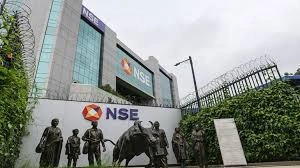
For investors, market participants, and policymakers, Sebi’s nod marks more than just a delayed listing. It signals a turning point in how India’s financial infrastructure institutions are regulated, valued, and held accountable.
A Ten-Year Journey to the IPO Green Light
The NSE’s IPO journey has been anything but straightforward. When the exchange first applied to go public in 2016, expectations were high. NSE dominates India’s equity derivatives market and handles the bulk of the country’s trading volumes, making it one of the most influential financial institutions in Asia.
However, soon after the IPO filing, concerns around corporate governance, regulatory compliance, and internal controls led Sebi to put the process on hold. Over the years, the exchange underwent multiple changes, including board restructuring, tighter oversight, and settlement of legacy issues.
That prolonged pause turned the NSE IPO into one of the most talked-about “missing listings” in Indian capital market history.
Sebi’s Role and the Regulatory Reset
The approval comes at a time when Sebi has been actively reshaping market regulation. Earlier this month, Sebi Chairman Tuhin Kanta Pandey had hinted that the regulator was considering issuing a no-objection certificate to NSE by the end of January 2026.
His remarks were widely interpreted as a signal that Sebi was satisfied with the corrective steps taken by the exchange over the past few years. These steps included strengthening governance practices, enhancing transparency, and aligning internal processes with regulatory expectations.
From Sebi’s perspective, clearing the IPO also reinforces the principle that even systemically important institutions must ultimately operate within the same disclosure and accountability framework as listed companies.
What NSE’s Listing Means for Indian Markets
The NSE is not just another company going public. As the backbone of India’s equity and derivatives trading ecosystem, its listing will be closely watched by domestic and global investors alike.
A public listing is expected to bring higher transparency into the exchange’s financials, governance, and decision-making. Quarterly disclosures, shareholder scrutiny, and market discipline could reshape how the exchange functions in subtle but important ways.
For India’s capital markets, this could enhance credibility, especially at a time when the country is positioning itself as a major destination for global portfolio flows.
Impact on Existing Shareholders
Over the years, NSE’s unlisted shares have been actively traded in the private market, often at valuations reflecting strong demand but limited liquidity. Sebi’s approval is likely to unlock value for long-standing shareholders, including institutional investors, banks, and early backers.
Once listed, these shareholders will gain a clearer exit route, while new investors will have the opportunity to participate in the growth of India’s core market infrastructure.
NSE Chairperson Srinivas Injeti described the approval as “a significant milestone” and said the exchange is entering a new phase of value creation for all stakeholders.
Valuation Expectations and Market Curiosity
Although NSE has not yet disclosed the size or pricing of the IPO, market observers expect it to be one of the largest listings in India’s financial sector. The exchange’s dominance in derivatives, strong cash flows, and central role in capital markets make it an attractive asset.
At the same time, valuation will be scrutinised carefully. Investors will assess not only profitability but also regulatory risks, competition from BSE, and the evolving structure of India’s markets, including the rise of alternative trading platforms.
Governance Lessons From the Delay
The decade-long delay is a reminder of how governance failures can have long-lasting consequences, even for institutions that are critical to the financial system. NSE’s experience has already influenced how regulators and policymakers think about market infrastructure oversight.
Stricter checks, clearer separation between ownership and management, and enhanced accountability mechanisms have become central themes in Sebi’s approach.
For other financial market institutions considering listings in the future, NSE’s journey serves as a cautionary tale as well as a roadmap for compliance and reform.
Broader Implications for India’s IPO Landscape
NSE’s approval comes at a time when India’s IPO market is evolving. While retail participation has surged in recent years, regulators have become more cautious about disclosures, valuations, and post-listing performance.
Allowing the country’s largest exchange to go public could set a benchmark for governance standards and transparency expectations for future large listings.
It also underscores Sebi’s message that regulatory patience exists, but only when accompanied by demonstrable reform.
What Comes Next
With Sebi’s approval in hand, the NSE is expected to move toward updating its draft prospectus and finalising timelines for the IPO. Market conditions, investor sentiment, and global factors will all influence when the exchange chooses to tap the market.
While no immediate listing date has been announced, the regulatory green light removes the biggest obstacle standing in the way.
For India’s financial ecosystem, the moment is symbolic. A decade after its first attempt, the NSE is finally preparing to step into the public markets it has helped shape for years.
Click Here to subscribe to our newsletters and get the latest updates directly to your inbox.