

Ex-Google Engineer Convicted in US for Stealing AI Secrets for Chinese Company
A US federal jury has convicted a former Google software engineer of economic espionage and theft of trade secrets in a case that underscores growing global tensions around artificial intelligence, national security, and technological leadership. The verdict marks one of the most significant prosecutions so far involving alleged theft of cutting-edge AI technology by an individual employee.
The case has drawn wide attention not just because of the severity of the charges, but also because it sits at the intersection of geopolitics, big tech, and the global race to dominate artificial intelligence.
What the Jury Decided
After an 11-day trial in San Francisco, a jury found Linwei Ding, also known as Leon Ding, guilty on multiple criminal counts. Ding, aged 38, was convicted on seven counts of economic espionage and seven counts of theft of trade secrets.
The trial was held in the Northern District of California before US District Judge Vince Chhabria. Prosecutors argued that Ding systematically stole confidential artificial intelligence-related information from Google while secretly working with companies linked to China.
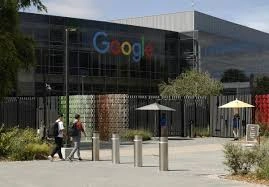
According to the US government, the stolen information related to advanced AI infrastructure that Google uses to train and deploy large-scale machine learning models.
What Prosecutors Alleged
The US Department of Justice said Ding abused his position as a trusted Google employee to access and exfiltrate sensitive internal files. These files reportedly included proprietary details about Google’s AI systems, data center operations, and model-training workflows.
Prosecutors claimed Ding transferred the data while holding senior engineering roles and used the information to benefit Chinese companies seeking to accelerate their own AI development. The government described the conduct as deliberate, planned, and motivated by financial gain and professional advancement.
Investigators also pointed to Ding’s overseas travel, undisclosed affiliations, and personal financial activity as evidence of intent.
Google’s Role in the Case
Google was not accused of wrongdoing, but the case highlights the vulnerabilities that even the most advanced technology companies face. As one of the world’s leaders in artificial intelligence research and deployment, Google holds enormous amounts of valuable intellectual property.
Like other major tech firms, Google relies on internal access controls and employee trust. This case demonstrates how a single insider, if motivated and technically skilled, can allegedly bypass safeguards and cause significant damage.
In statements following earlier stages of the case, Google said it cooperated fully with law enforcement and took immediate action after detecting suspicious activity.
Why This Case Matters Beyond One Individual
This conviction is about more than one engineer. It reflects a broader shift in how the United States treats technology theft tied to geopolitical rivals, particularly China.
Over the past decade, US authorities have increasingly framed trade secret theft involving advanced technology as a national security issue, not merely corporate misconduct. Artificial intelligence, in particular, is viewed as a strategic technology with military, economic, and intelligence implications.
By securing a conviction on economic espionage charges, prosecutors are sending a message that AI-related trade secret theft will be pursued aggressively.
Economic Espionage: A Serious Charge
Economic espionage is one of the most severe white-collar crimes under US law. Unlike standard intellectual property theft, it involves the intent to benefit a foreign government or foreign entity.
Convictions can carry lengthy prison sentences, heavy fines, and permanent restrictions on future employment in sensitive industries. Ding now faces sentencing, where the court will consider factors such as the scale of the theft, potential harm, and national security implications.
Legal experts say the severity of the verdict reflects how courts increasingly see advanced technology as critical infrastructure.
The AI Arms Race Context
The case comes amid intensifying competition between the US and China over artificial intelligence leadership. Both countries see AI as central to future economic growth, military capability, and global influence.
The US has imposed export controls, investment restrictions, and technology-sharing limits aimed at slowing China’s access to advanced semiconductors and AI tools. At the same time, US authorities are stepping up enforcement against alleged internal leaks and espionage.
This conviction fits into a broader strategy of protecting domestic innovation through both regulation and criminal prosecution.
Implications for Tech Workers
For engineers and researchers working in sensitive areas like AI, the case carries an important warning. As companies and governments raise scrutiny around foreign ties, conflicts of interest, and data access, employees are facing tighter compliance expectations.
Experts say tech workers must be increasingly transparent about outside engagements, advisory roles, and international collaborations. Failure to disclose relationships—even if not initially malicious—can quickly become legally risky.
The case also raises questions about how companies balance open research cultures with the need for strict internal security.
Corporate and Policy Fallout
For technology companies, especially those working in AI, the Ding conviction is likely to accelerate internal reviews of access controls, monitoring systems, and employee vetting.
At the policy level, lawmakers may use the case to justify stricter oversight of AI research, stronger whistleblower systems, and deeper cooperation between tech firms and federal agencies.
It may also fuel debates about how to maintain global scientific collaboration while protecting national interests.
Civil Liberties and Overreach Concerns
Not everyone sees these cases in the same light. Civil liberties groups have warned that aggressive enforcement could create a climate of suspicion, particularly for engineers of Asian descent working in US tech companies.
Past US initiatives targeting Chinese economic espionage have drawn criticism for profiling and overreach. Courts and regulators will need to ensure that prosecutions are based strictly on evidence, not nationality or ethnicity.
The Ding conviction, however, was based on a jury verdict after a full trial, which prosecutors say demonstrates the strength of the evidence.
What Happens Next
With the guilty verdict secured, the next major step is sentencing. Ding could face years in prison, though the final punishment will depend on judicial discretion and sentencing guidelines.
The case is also likely to be cited in future prosecutions involving AI, trade secrets, and foreign-linked companies. It sets a legal precedent at a time when artificial intelligence is becoming central to both corporate strategy and national security planning.
A Signal Moment for the AI Industry
The conviction of a former Google engineer for stealing AI trade secrets marks a turning point in how governments, courts, and corporations view artificial intelligence assets. No longer treated as just proprietary code or research, AI systems are increasingly seen as strategic resources that demand the highest level of protection.
As AI continues to shape global power dynamics, cases like this suggest that the legal and political scrutiny surrounding the technology will only intensify.
Click Here to subscribe to our newsletters and get the latest updates directly to your inbox.