
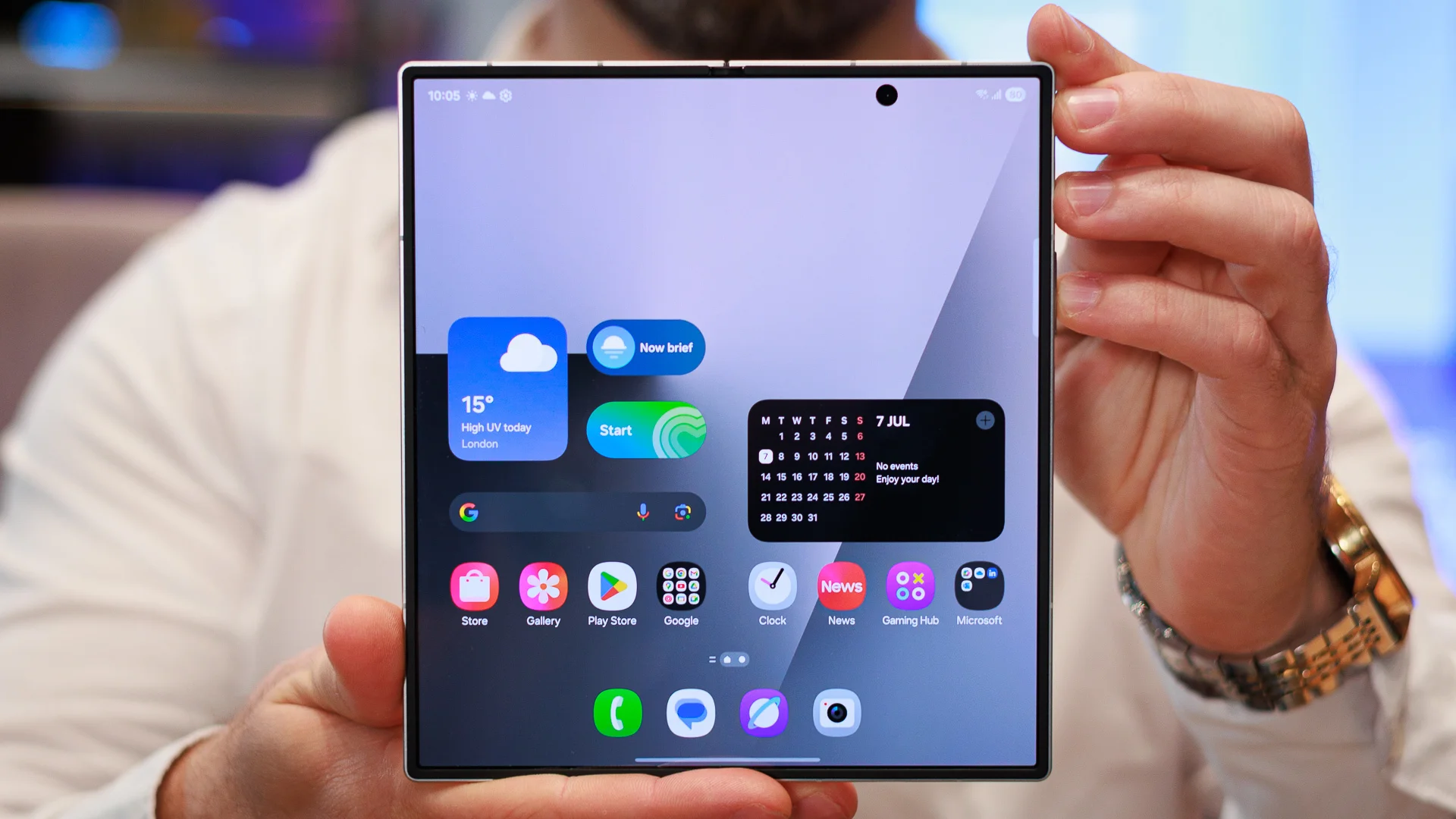
Will Foldable Take 65% Market Share as Flip Phones Fade?
The foldable smartphone segment is entering a new phase. After years of flip-style phones dominating shipments due to their compact design and relatively lower price, the balance may soon shift. According to a new report by Counterpoint Research, book-style foldable smartphones could account for nearly 65 per cent of global foldable shipments in 2026, up sharply from 52 per cent in 2025.
If the projections hold true, this would mark a structural change in consumer preference, with large-screen foldables overtaking flip phones by a wide margin.
From Novelty to Productivity Device
When foldable phones first gained attention, flip-style devices were seen as the most accessible way to experience the new form factor. Compact, stylish, and easier to pocket, flip phones attracted buyers looking for something different.
However, book-style foldables — devices that unfold into tablet-sized screens — are increasingly being perceived as productivity tools rather than fashion statements. This shift in perception may explain why market share is tilting toward large-screen foldables.
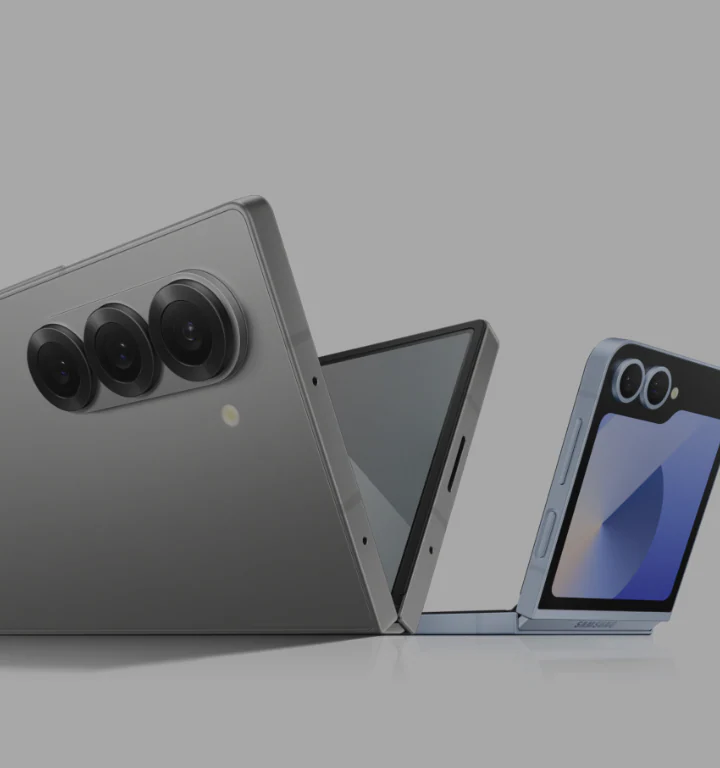
Devices such as the Samsung Galaxy Z Fold 7 and the Google Pixel 10 Pro Fold represent this category. They offer larger multitasking displays, enhanced software optimisation, and improved durability compared to earlier generations.
Consumers now seem to value functionality more than the novelty of folding mechanics.
Why Book-Style Foldables Are Gaining Ground
Several factors are driving the predicted rise in book-style foldables.
First, hardware improvements have significantly reduced earlier concerns about hinge durability, screen creasing and weight. Manufacturers have refined their designs, making foldables slimmer and more robust.
Second, software ecosystems have matured. Multitasking, split-screen functionality, stylus support and optimised app experiences have made large foldables more practical for business users and creators.
Third, pricing strategies are evolving. While book-style foldables still carry a premium, OEMs are gradually expanding their portfolios, offering more competitive variants that reduce the entry barrier.
As original equipment manufacturers gain confidence in the premium segment, they are allocating more marketing resources and production capacity to large-screen models.
Declining Momentum for Flip Phones
Flip phones were once the driving force of foldable shipments. Compact and relatively more affordable, they appealed to younger buyers and those seeking a unique form factor.
However, the report suggests that clamshell foldables may gradually lose share in the coming year. One reason is that the novelty factor has worn off. While flips are portable and stylish, they often do not offer a dramatically different productivity experience compared to traditional smartphones.
As consumers become more performance-focused, flip phones may struggle to justify their premium pricing unless they introduce substantial functional upgrades.
Shipment Projections at a Glance
Here’s how the foldable smartphone market share is expected to evolve:
| Year | Book-Style Foldables | Flip Foldables |
|---|---|---|
| 2025 | 52% | 48% |
| 2026 | 65% | 35% |
The projected jump from 52 per cent to 65 per cent represents a strong endorsement of large-screen foldables.
The Productivity Advantage
One of the most important reasons behind this transition is the productivity narrative. Book-style foldables can serve as both smartphones and mini-tablets. Professionals can review documents, edit presentations, conduct video calls and multitask more comfortably on a larger display.
For users who travel frequently or prefer carrying fewer devices, a foldable that replaces both phone and tablet becomes an attractive proposition.
Flip phones, while compact, do not provide this dual-device advantage.
OEM Confidence and Premium Positioning
Manufacturers are increasingly positioning large foldables as premium flagship devices. Rather than treating them as experimental models, companies now view them as core products.
This confidence is reflected in improved marketing efforts, wider availability across markets, and expanded accessory ecosystems. As foldable technology matures, economies of scale could gradually bring costs down, further boosting adoption.
The premium perception also helps brands differentiate themselves in a saturated smartphone market where innovation cycles have slowed.
Consumer Behaviour and Market Evolution
Consumer behaviour is evolving as well. Early adopters who were drawn to flip phones for their novelty may now seek devices that offer greater utility.
Additionally, business professionals and content creators — segments that typically spend more on smartphones — are gravitating toward devices that improve workflow efficiency.
As more users experience large-screen foldables, word-of-mouth and enterprise adoption could accelerate the category’s growth.
Challenges Ahead
Despite the positive outlook, book-style foldables still face hurdles.
Pricing remains high compared to conventional flagship phones. Battery optimisation for larger displays continues to be a challenge. Weight reduction and long-term durability improvements are ongoing priorities for manufacturers.
At the same time, flip phones may not disappear entirely. They could still appeal to users prioritising portability and style.
Broader Industry Implications
If large-screen foldables capture 65 per cent of market share, it would signal that foldables are transitioning from niche gadgets to mainstream productivity devices.
It could also encourage software developers to optimise applications for larger foldable displays, further strengthening the ecosystem.
Traditional smartphone design may face increasing pressure as consumers seek devices that offer tangible functional upgrades rather than incremental improvements.
Conclusion
The foldable smartphone market share in 2026 could mark a turning point. With book-style foldables projected to account for 65 per cent of shipments, the focus appears to be shifting from compact novelty devices to productivity-driven large-screen smartphones.
Improvements in hardware, maturing software ecosystems and growing OEM confidence are all contributing to this transition. While flip phones may remain relevant for certain audiences, the broader market seems ready to embrace foldables that offer more than just a new way to fold.
If these projections materialise, 2026 could be remembered as the year big-screen foldables truly stepped into the mainstream.
Click Here to subscribe to our newsletters and get the latest updates directly to your inbox.