
The Hidden Dangers of Heavier Electric Vehicles 2025
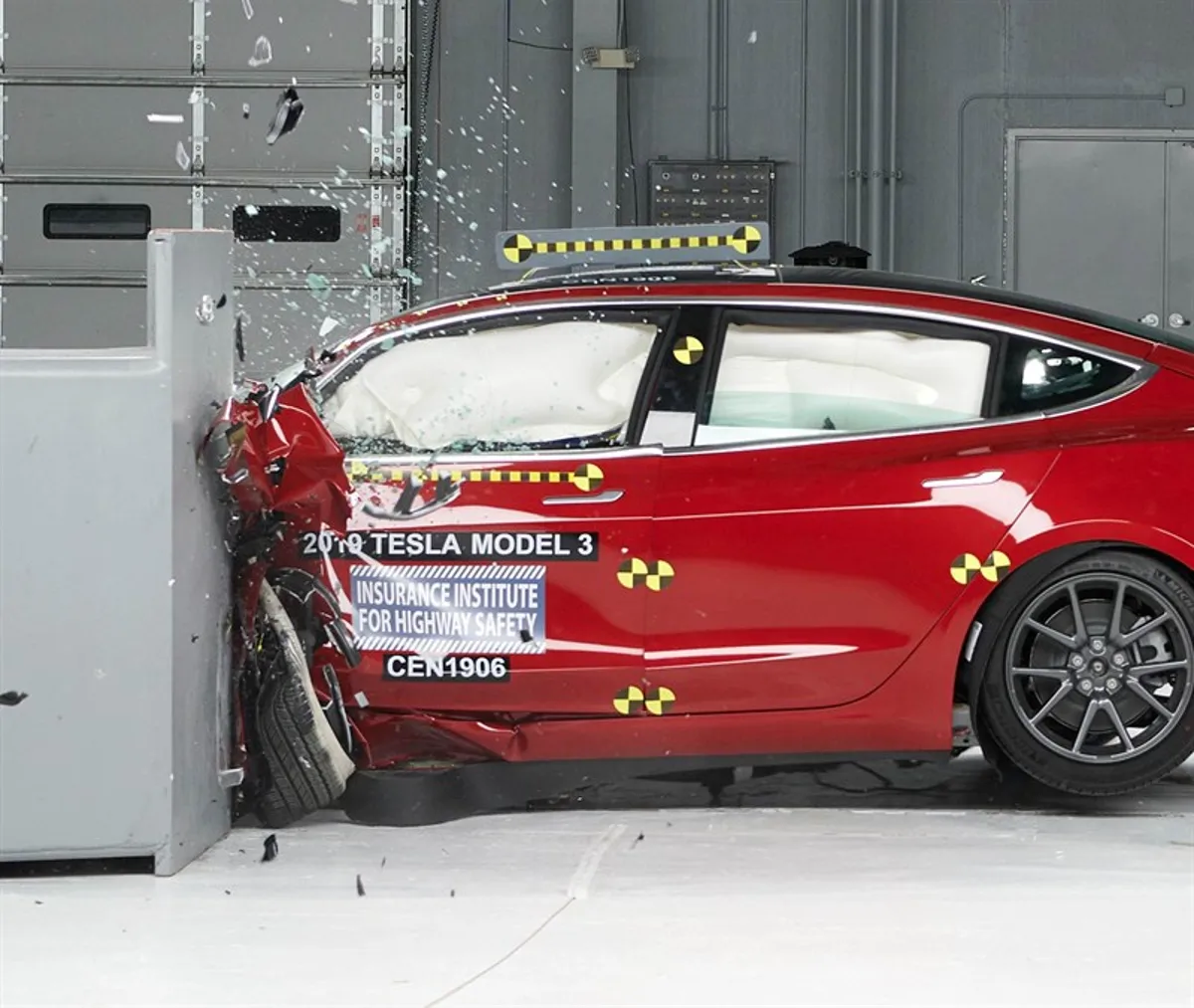
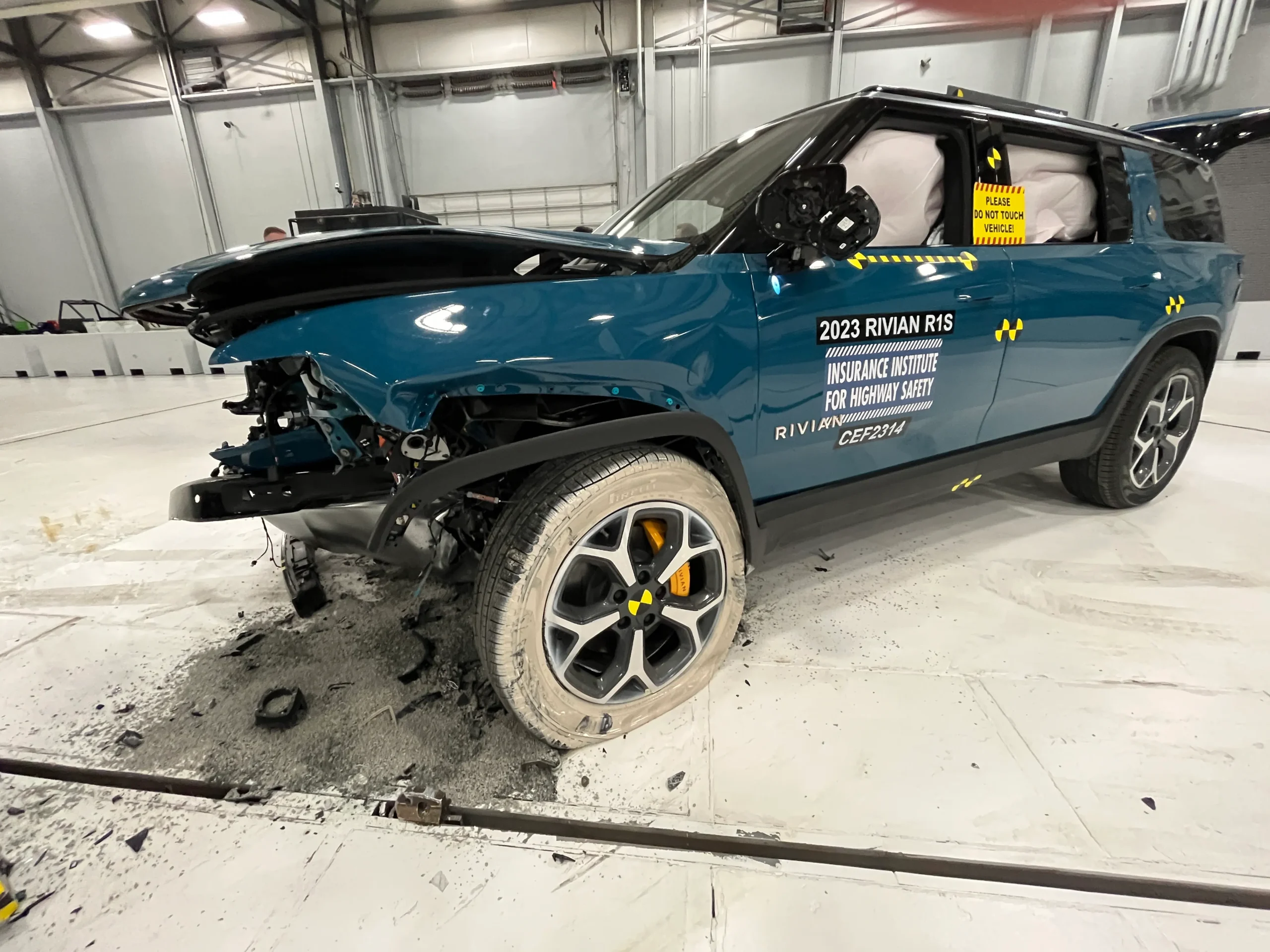
As electric vehicles (EVs) continue to gain popularity, a new concern has emerged: their increasing weight. While EVs offer environmental benefits, their significantly heavier build poses potential safety risks on the road. Automotive safety experts warn that these heavier electric vehicles could have dangerous implications for both drivers and pedestrians. In this article, we explore why the extra weight matters, the risks involved, and what can be done to mitigate them.
Why Are Electric Vehicles Heavier?
Electric vehicles are substantially heavier than their gasoline-powered counterparts due to the weight of their battery packs. A few key factors contribute to this added weight:
- Battery Technology: Lithium-ion batteries, which power most EVs, are dense and heavy, sometimes adding hundreds of pounds to the vehicle.
- Structural Reinforcement: To accommodate large batteries, EV manufacturers reinforce the vehicle’s structure, increasing its mass.
- Advanced Features: Many EVs come equipped with state-of-the-art technology, which adds to their overall weight.
For example, the Ford F-150 Lightning, an all-electric version of the popular pickup truck, weighs nearly 1,000 pounds more than its gasoline counterpart. Similarly, the Tesla Model S can be up to 1,200 pounds heavier than a standard internal combustion engine (ICE) sedan.
The Safety Risks of Heavier Electric Vehicles
Increased Collision Impact
One of the most pressing concerns is that heavier vehicles generate more force in collisions. This means that:
- In accidents involving a lighter vehicle, the heavier EV can cause greater damage and injury.
- Pedestrians and cyclists are at a higher risk of severe injury or fatality when struck by a heavier vehicle.
- Heavier cars require longer stopping distances, increasing the risk of rear-end collisions.
Road and Bridge Wear and Tear
The additional weight of EVs could have long-term implications for infrastructure durability. Roads, bridges, and parking structures were designed for traditional gasoline-powered vehicles, and the added stress from heavier EVs may lead to:
- Faster road deterioration, leading to increased maintenance costs.
- Increased wear on bridges, potentially shortening their lifespan.
- Higher repair costs for urban infrastructure.
Handling and Stability Issues
A heavier car often has different handling dynamics, especially in emergency situations. Some concerns include:
- Reduced maneuverability, making it harder to swerve or react quickly.
- Higher rollover risk due to shifting weight distribution in certain EV designs.
- Braking system strain, as heavier vehicles require more robust braking mechanisms.
Regulatory and Industry Responses
Given these risks, safety experts are pushing for regulatory changes and technological improvements to address the concerns associated with heavier EVs. Some potential solutions include:
Stricter Safety Standards
Governments and regulatory agencies may introduce new policies, such as:
- Stronger crash-test requirements for heavier EVs.
- Weight-based regulations to ensure safety standards adapt to modern vehicle trends.
- Enhanced pedestrian safety measures, such as automatic braking systems.
Advances in Battery Technology
Automakers are investing in lighter battery alternatives, including:
- Solid-state batteries, which could significantly reduce weight.
- New battery chemistries that provide higher energy density without increasing mass.
- Structural battery packs, which integrate into the car’s frame to minimize excess weight.
Improved Braking and Suspension Systems
To counteract the negative effects of extra weight, manufacturers are developing:
- Regenerative braking improvements to handle higher energy loads.
- Advanced suspension systems to compensate for increased weight.
- Better crash absorption designs to reduce impact forces in collisions.
What Drivers Can Do to Stay Safe
While industry changes are in progress, drivers can take proactive steps to minimize risks associated with heavier EVs:
Be Mindful of Stopping Distances
Since heavier vehicles require longer braking distances, drivers should:
- Maintain a greater following distance from the vehicle ahead.
- Drive at appropriate speeds, especially in wet or icy conditions.
- Regularly check brake performance to ensure optimal function.
Stay Alert to Pedestrian and Cyclist Safety
Heavier EVs can cause severe injuries in pedestrian collisions. Drivers should:
- Use advanced driver-assistance features like pedestrian detection.
- Be extra cautious in urban and school zones.
- Double-check blind spots for cyclists and motorcyclists.
Consider Tire and Suspension Maintenance
The extra weight puts more strain on tires and suspension systems, so:
- Regularly inspect and replace tires as needed.
- Ensure the suspension system is in top condition to handle added weight.
- Rotate tires frequently to prevent uneven wear.
While electric vehicles are crucial for reducing carbon emissions and dependency on fossil fuels, their heavier weight introduces new safety challenges. From increased crash impact to infrastructure wear, addressing these risks requires technological innovation, regulatory updates, and responsible driving practices.
By staying informed and adopting safety-conscious habits, both drivers and industry leaders can help mitigate the dangers associated with heavier electric vehicles. As EV adoption continues to rise, ensuring their safety on the road will be a shared responsibility among automakers, policymakers, and drivers.
Follow Us for more valleynewz.com