
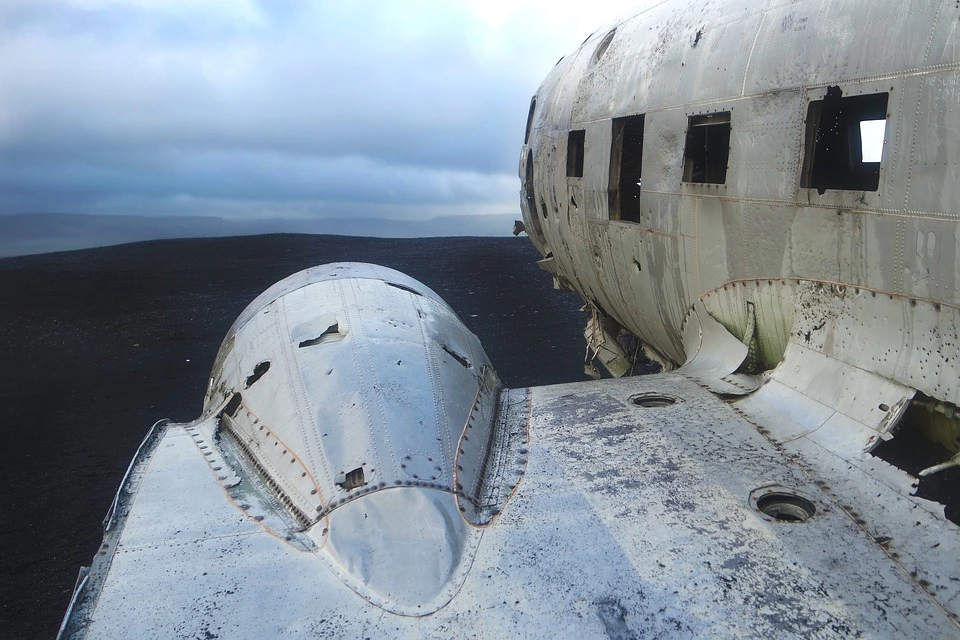
Alaska Plane Crash: Bering Air Flight Crashed on Sea Ice – 10 People Feared Dead.
Tragedy in Alaska: Missing Bering Air Plane Found Crashed
A devastating plane crash has shaken Alaska as authorities confirm the discovery of a Bering Air commuter plane that went missing while an route to Nome. The aircraft, carrying nine passengers and one pilot, was found wrecked on sea ice off the western coast of Alaska. Tragically, all 10 people on board were killed, according to reports from the Associated Press (AP).

The Timeline of the Incident
The ill-fated aircraft, a Cessna Caravan, disappeared on Thursday while traveling toward Nome, a remote city in western Alaska. A large-scale search operation was immediately launched, involving the U.S. Coast Guard, Alaska State Troopers, and local aviation authorities.
On Friday, after hours of intense aerial surveillance, the U.S. Coast Guard discovered the wreckage about 12 miles offshore and 30 miles southeast of Nome.
Details of the Flight and Wreckage Discovery
The Bering Air flight was operating as a commuter service, frequently used to transport passengers and cargo across Alaska’s vast and harsh terrain. The Cessna 208 Caravan is a widely used single-engine turboprop aircraft, known for its reliability in extreme weather conditions.
However, despite its sturdy design, the plane vanished from radar screens before reaching its destination. The wreckage was found frozen on sea ice, indicating the aircraft may have crashed upon impact before skidding across the frozen expanse.
Victims of the Crash
Authorities have yet to release the names of the victims, but initial reports confirm that the flight carried:
- Nine passengers
- One pilot
This tragedy has deeply impacted the Alaskan aviation community, with condolences pouring in from local officials and residents. Bering Air, known for its vital role in connecting remote communities, has expressed its deep sorrow and commitment to supporting the affected families.
What Caused the Crash? Investigation Underway
At this time, the cause of the crash remains unknown, but aviation experts are examining several possible factors:
1. Harsh Weather Conditions
Alaska is known for its extreme weather, unpredictable winds, and icy conditions, which can significantly impact flight safety. Investigators will analyze weather data to determine whether severe turbulence, icing, or strong crosswinds played a role in the crash.
2. Mechanical Failure
While the Cessna 208 Caravan is considered a reliable aircraft, mechanical failures cannot be ruled out. The National Transportation Safety Board (NTSB) will inspect the wreckage for any signs of engine malfunction, structural damage, or equipment failure.
3. Pilot Error or Emergency Response
Pilot experience and real-time decision-making during crises are crucial in aviation safety. Investigators will review flight logs, communication records, and radar data to understand whether the pilot attempted an emergency landing before impact.
The Role of the U.S. Coast Guard in the Search Operation
The U.S. Coast Guard’s rapid response played a crucial role in locating the missing plane. After reports of the missing flight surfaced, a C-130 aircraft and rescue helicopters were dispatched to survey the plane’s last known location.
Their efforts led to the discovery of the crashed Cessna 208 Caravan, frozen on sea ice, approximately 30 miles southeast of Nome. Despite extreme weather challenges, recovery teams are working tirelessly to retrieve the victims and gather crucial evidence.
Alaska’s History of Aviation Accidents
Alaska has long been one of the most challenging regions for air travel, with a higher-than-average rate of aviation accidents due to:
- Remote locations with limited emergency response access
- Frequent snowstorms, fog, and strong winds
- Dependence on small commuter planes for transportation
Several tragic crashes have occurred in the past, reinforcing concerns about aviation safety regulations and infrastructure improvements in the region.
Bering Air’s Response and Future Aviation Safety Measures
Bering Air, a trusted airline serving remote Alaskan communities since 1979, released an official statement expressing deep condolences and promising full cooperation with investigators.
Authorities aim to determine the cause and issue safety recommendations to prevent future tragedies in Alaska’s commuter aviation industry.
The tragic loss of 10 lives in the Bering Air plane crash is a heartbreaking reminder of the dangers of aviation in Alaska’s extreme conditions. As the investigation unfolds, families, friends, and the aviation community are mourning those lost in this devastating accident.
With safety improvements and stricter regulations, officials hope to enhance air travel safety and prevent similar tragedies in the future.