
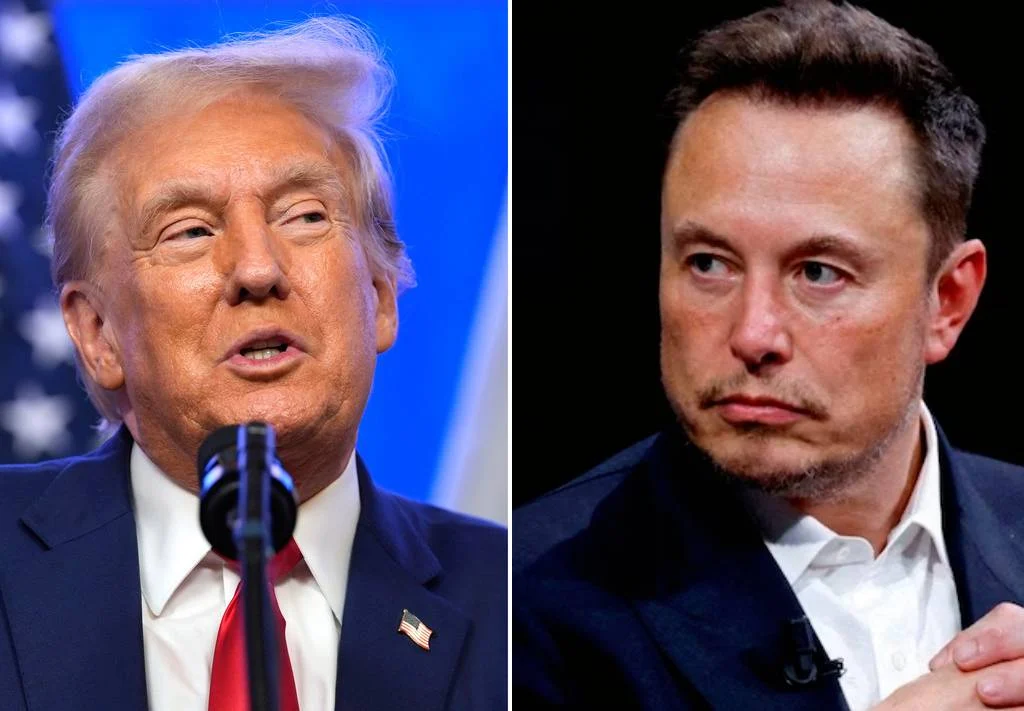
Trump’s Bold Claim: Elon Musk Tasked with Uncovering Pentagon Fraud in Unprecedented Audit
In a twist that blends politics, tech, and satire, former President Donald Trump has reignited headlines by lauding Elon Musk—the maverick billionaire behind Tesla and SpaceX—to spearhead a dramatic crackdown on U.S. government inefficiencies. During a Super Bowl interview with Fox News, Trump hinted at an audacious plan: shutting down federal agencies and deploying Musk to lead a sweeping audit of the Pentagon through the fictional “Department of Government Efficiency (DOGE),” a nod to Musk’s infamous Dogecoin memes.

The Announcement: A Super Bowl Soundbite with Stakes
Trump’s interview, timed to the Super Bowl’s massive audience, was anything but routine. He declared his intent to “eliminate wasteful spending” by dismantling parts of the federal bureaucracy, claiming a public mandate to do so. “I’m going to tell him very soon, maybe in 24 hours, to go check the Department of Education. Then we’ll move to the military,” Trump stated, per Reuters. “We’re going to find hundreds of billions in fraud and abuse.”
The mention of DOGE—a playful acronym echoing Musk’s crypto-obsessed online persona—immediately sparked speculation. While no such department exists, Trump’s rhetoric suggests a fictional, almost satirical strategy to tackle government bloat, blending Musk’s disruptive reputation with political theatrics.
Why Musk? Tech Disruption Meets Government Skepticism
Trump’s affinity for Musk isn’t new. Both figures share a penchant for controversy and a disdain for bureaucratic red tape. By invoking Musk, Trump taps into the tech mogul’s image as a fixer of broken systems—from electric vehicles to space travel. But tasking a private-sector billionaire with auditing the Pentagon raises eyebrows. Critics argue this undermines democratic accountability, while supporters see it as a radical solution to entrenched corruption.
“Let’s check the military,” Trump urged, implying that even the sacrosanct defense budget isn’t immune to scrutiny. The Pentagon, with its $800+ billion annual funding, has long faced audits riddled with accounting flaws. Yet the idea of Musk “unraveling” fraud via DOGE feels more like a meme than a policy—a blend of Trump’s showmanship and Musk’s trollish humor.
Reactions: Divided and Bewildered
The announcement drew swift reactions. Democrats lambasted the move as a stunt, emphasizing that existing agencies like the Government Accountability Office (GAO) already audit federal spending. “This is a distraction from real oversight,” tweeted Senator Elizabeth Warren. Meanwhile, some Republicans praised Trump’s “outside-the-box” thinking, framing Musk as a modern-day trustbuster.
Musk himself remained uncharacteristically silent, leaving followers to wonder: Is this a serious proposal, or an elaborate joke capitalizing on his Dogecoin ties? DOGE’s crypto community certainly noticed, sending the token’s value on a brief, speculative rollercoaster.
Experts Weigh In: Reality vs. Rhetoric
Governance analysts were quick to dissect the feasibility. Dr. Linda Williams, a public policy scholar, noted, “Privatizing audits risks conflicts of interest. Musk’s companies receive federal contracts—how would he navigate that?” Others questioned the legality of appointing a private citizen to lead a hypothetical department, highlighting the Constitutional separation of powers.
As for the “hundreds of billions” in alleged fraud? While the Pentagon has failed multiple audits due to outdated systems, experts caution that waste isn’t synonymous with criminality. Most discrepancies stem from logistical errors, not malice.
The Bigger Picture: A New Era of Government Satire?
Trump’s DOGE gambit underscores a broader trend: the blurring of politics and meme culture. By leveraging Musk’s internet fame and a cryptocurrency joke, the former president amplifies his anti-establishment brand. Yet it also raises serious questions. Should tech leaders play roles in governance? Where’s the line between innovation and erosion of public institutions?
Whether this audit narrative gains traction or fades as a Super Bowl soundbite, one thing is clear: In an age where tweets move markets and billionaires moonlight as bureaucrats, the intersection of politics and pop culture grows ever stranger.
”Stay ahead of the curve—subscribe now for expert insights and trending –>Click Here