
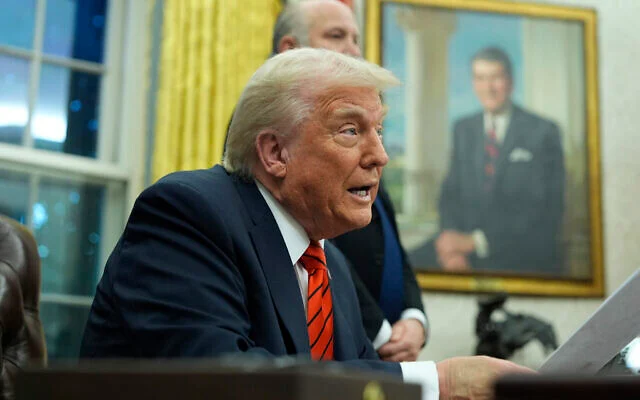
Trump’s Saturday Deadline: Hamas Urged to Release Hostages or Risk Ceasefire Breakdown
Trump’s High-Stakes Ultimatum: A Ceasefire Hangs in the Balance
In a dramatic escalation of tensions, former U.S. President Donald Trump issued a stark warning to Hamas on Friday, demanding the militant group release all remaining hostages by Saturday noon. Failure to comply, he declared, should prompt the cancellation of the fragile Israel-Hamas ceasefire, warning that “all hell will break loose” if negotiations collapse. The statement arrives amid Hamas’ abrupt announcement to suspend hostage releases indefinitely, accusing Israel of violating terms established in a three-week-old truce agreement.
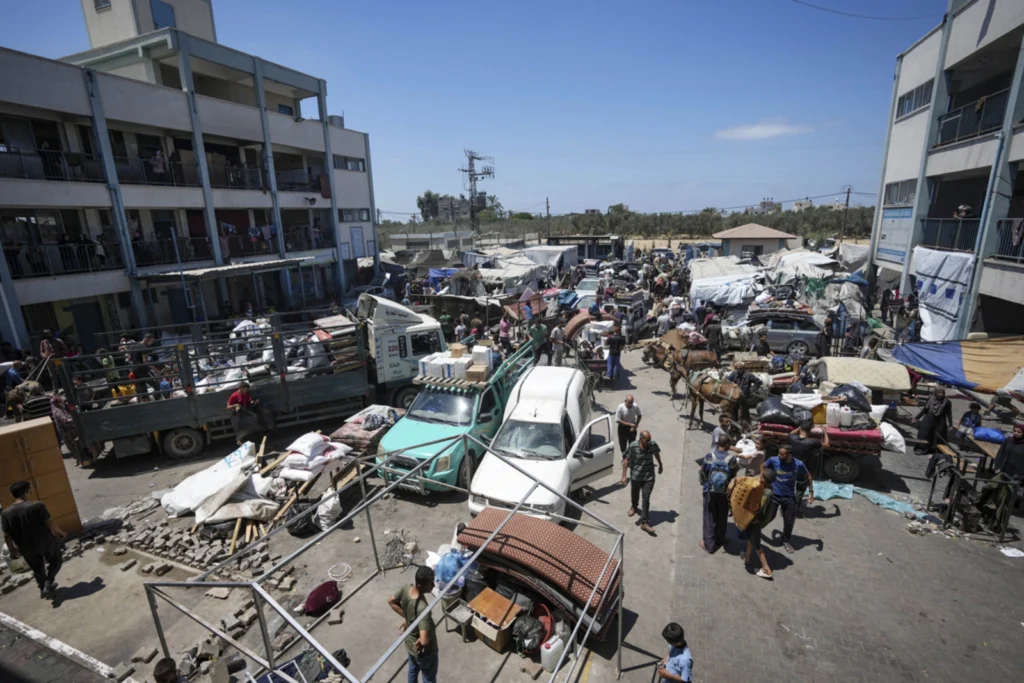
Hamas Halts Releases: Accusations Fly
Hamas officials announced early Saturday the suspension of further hostage releases, a move that upended a temporary humanitarian pause in the seven-week conflict. The group claims Israel failed to uphold its end of the ceasefire, citing unmet promises such as inadequate humanitarian aid entry into Gaza and alleged breaches in prisoner exchange protocols. “Israel has not adhered to agreed-upon timelines for releasing Palestinian detainees or allowing sufficient aid,” a Hamas spokesperson asserted, adding that ongoing Israeli military operations in parts of Gaza further violated the truce.
Israel swiftly denied the allegations, with Prime Minister Benjamin Netanyahu’s office labeling Hamas’ claims as “propaganda to justify bad-faith tactics.” The Israeli military reported that over 80 aid trucks entered Gaza daily during the ceasefire, alongside the release of 84 Palestinian prisoners in exchange for 14 Israeli hostages. However, Hamas insists these measures fall short of the agreed-upon terms, including the full withdrawal of Israeli forces from northern Gaza.
The Ceasefire’s Fragile Foundation
The temporary truce, brokered three weeks ago through Qatari and Egyptian mediators, aimed to facilitate hostage-prisoner exchanges and allow critical aid into Gaza. Key terms included:
- Daily Release of Hostages: Hamas agreed to free 10-13 Israeli captives per day, predominantly women and children.
- Prisoner Swap: Israel committed to releasing three Palestinian prisoners for each hostage returned.
- Humanitarian Pause: A five-day ceasefire to enable fuel, food, and medical supplies to reach Gaza’s 2.3 million residents.
While the deal initially saw 50 Israeli hostages and 150 Palestinian prisoners released, progress stalled this week. Hamas now claims at least 7,000 Palestinians remain in Israeli custody, demanding broader prisoner categories—including men and long-term detainees—be included in future swaps.
Trump’s Controversial Intervention
Trump’s unexpected involvement has drawn global attention, reigniting debates over his influence on foreign policy post-presidency. In a televised speech, he framed the ultimatum as a “test of Hamas’ commitment to peace,” while urging Israel to “prepare for decisive action” if demands go unmet. Critics argue his rhetoric risks inflaming tensions, particularly as the Biden administration pursues quieter diplomacy.
Historically, Trump’s Middle East policies favored Israel, exemplified by moving the U.S. embassy to Jerusalem and brokering the Abraham Accords. His reemergence in this crisis underscores his ongoing political ambitions, with analysts suggesting the statement aims to position him as a decisive leader ahead of the 2024 elections.
Global Reactions: Calls for Restraint
The international community has responded with alarm. United Nations Secretary-General António Guterres urged both parties to “honor their commitments,” warning that ceasefire collapse could trigger “catastrophic humanitarian consequences.” The European Union echoed these concerns, while regional players like Egypt and Qatar intensified mediation efforts.
In contrast, Iran—a key Hamas ally—condemned Trump’s remarks as “reckless warmongering,” and Hezbollah threatened retaliation if Israel resumes strikes. Meanwhile, U.S. National Security Advisor Jake Sullivan reaffirmed Biden’s support for extending the truce, distancing current policies from Trump’s approach.
Gaza’s Humanitarian Crisis: A Ticking Clock
With Gaza’s infrastructure in ruins and hospitals overwhelmed, the ceasefire’s potential collapse looms as a death sentence for civilians. Over 1.7 million Gazans are displaced, with the UN reporting that 90% face acute food insecurity. “If bombing resumes, there’s nowhere left to hide,” said a Red Cross worker in Rafah.
Aid groups warn that winter conditions and disease outbreaks could exacerbate suffering. “Children are dying from preventable illnesses due to cold and malnutrition,” UNICEF’s Catherine Russell stated, appealing for sustained access to aid.
Click Here to subscribe to our newsletters and get the latest updates directly to your inbox