
Trump’s Executive Order Pauses FCPA Enforcement: A Shift in Anti-Corruption Policy
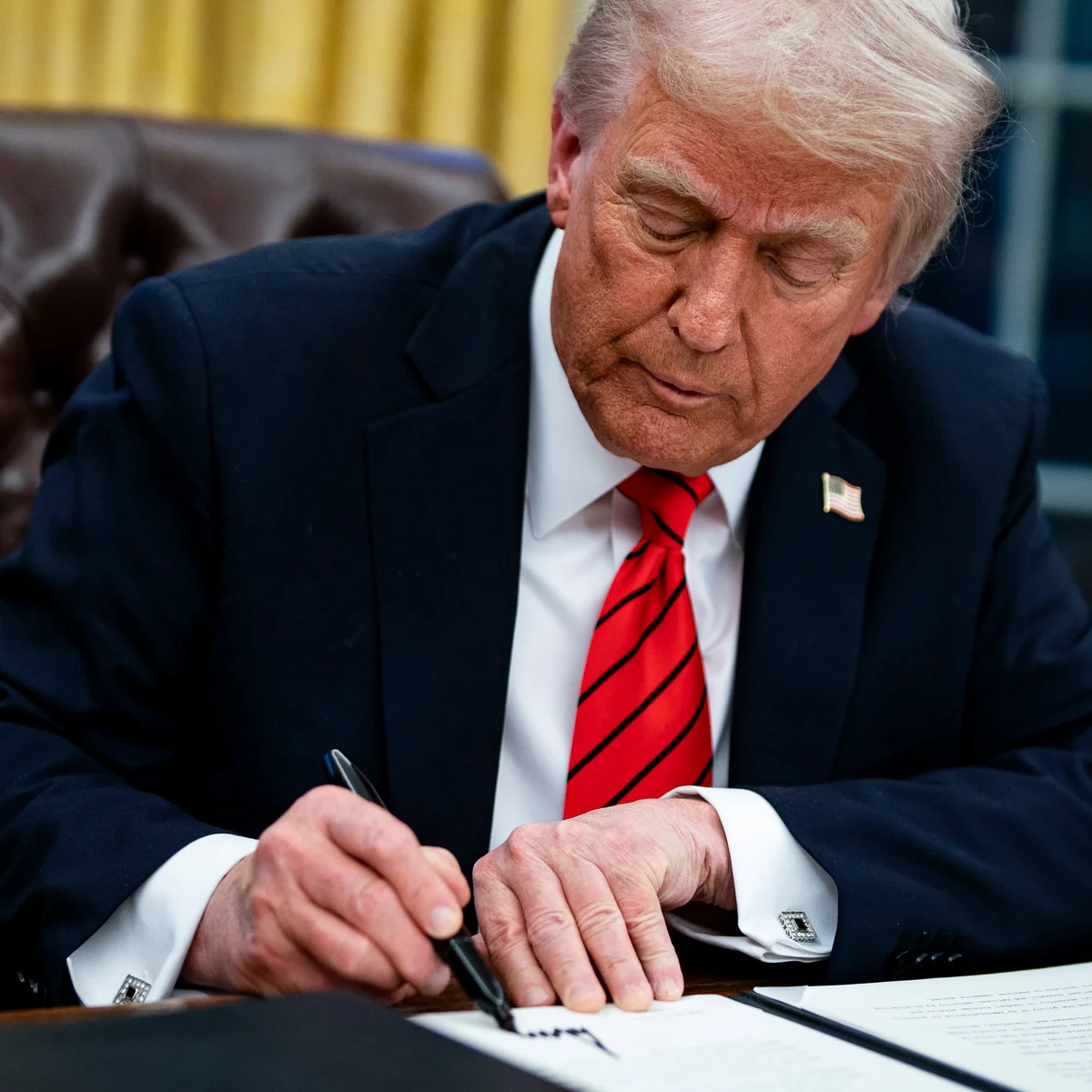
In a move that has ignited debate across legal, business, and ethical circles, former U.S. President Donald Trump recently signed an executive order instructing the Department of Justice (DOJ) to temporarily halt prosecutions under the Foreign Corrupt Practices Act (FCPA). The order, framed as a measure to “level the playing field” for American companies operating abroad, calls for a 180-day review of FCPA enforcement guidelines. Critics argue this decision risks undermining decades of global anti-corruption efforts, while supporters claim it addresses longstanding concerns about U.S. competitiveness. Here’s a deeper look at the implications of this controversial policy shift.
Understanding the FCPA’s Role
Enacted in 1977, the FCPA was a response to widespread revelations of U.S. firms bribing foreign officials to secure contracts. The law prohibits American companies, their employees, and affiliated entities from offering payments or gifts to foreign government representatives to gain business advantages. Over its 46-year history, the FCPA has become a cornerstone of international anti-corruption efforts, leading to high-profile cases against corporations like Siemens ($1.6 billion in fines in 2008) and Walmart ($282 million in 2019). The statute also inspired similar laws globally, including the U.K. Bribery Act (2010) and Brazil’s Clean Company Act (2014).
Trump’s Executive Order: Key Details
The executive order, signed on Monday, directs the DOJ to pause all ongoing FCPA investigations and prosecutions for 180 days. During this period, Attorney General Merrick Garland is tasked with reviewing enforcement policies to determine whether they “unfairly disadvantage American businesses.” The Trump administration contends that the FCPA’s strict enforcement places U.S. firms at a disadvantage compared to foreign competitors in countries where bribery is tacitly tolerated or poorly regulated. “When our companies face rivals who aren’t held to the same standards, we lose jobs, contracts, and influence,” Trump stated during a press briefing.
The Rationale: Competitiveness vs. Corruption
Proponents of the pause, including some industry lobbyists and conservative lawmakers, argue that the FCPA’s rigid application has stifled American innovation. For instance, a 2020 U.S. Chamber of Commerce report alleged that compliance costs for FCPA-related due diligence exceed $50 billion annually. Others point to cases where foreign competitors allegedly secured deals in regions like Africa and Southeast Asia through bribes, while U.S. firms lost bids. “We’re not asking to legalize corruption—we’re asking for fairness,” argued one trade group representative.
However, critics counter that suspending enforcement sends a dangerous message. “This isn’t about fairness; it’s about greenlighting unethical behavior,” said Scott Greytak of Transparency International U.S. Advocacy groups warn that weakened FCPA enforcement could embolden companies to resume bribery, eroding trust in U.S. businesses and destabilizing emerging markets. Legal experts also question the order’s constitutionality, noting that prosecutorial discretion traditionally lies with the DOJ, not the White House.
Global Context and Diplomatic Repercussions
The FCPA’s influence extends beyond U.S. borders. As a signatory to the OECD Anti-Bribery Convention, the U.S. committed to criminalizing foreign bribery. Other member nations, including Germany and France, have strengthened their laws in recent years, partly in response to the FCPA’s precedent. A retreat from robust enforcement could strain these partnerships and weaken global anti-corruption frameworks. “If the U.S. steps back, it creates a vacuum that authoritarian regimes will exploit,” warned a European Union trade official.
Unintended Consequences for Businesses
Paradoxically, the pause may harm U.S. companies in the long term. Many corporations have invested heavily in FCPA compliance programs, and a lax enforcement environment could expose them to reputational damage or litigation abroad. For example, a U.S. firm accused of bribery in a country with strict local laws (e.g., the U.K. Bribery Act) could face harsher penalties overseas, even if the DOJ drops charges. Additionally, institutional investors increasingly prioritize Environmental, Social, and Governance (ESG) criteria, meaning perceived tolerance for corruption might deter investment.
Legal and Ethical Questions
The order raises constitutional concerns about the separation of powers. While presidents historically influence policy, directly intervening in prosecutions—particularly those targeting specific individuals—tests the DOJ’s independence. Some legal scholars argue that only Congress, which passed the FCPA, holds the authority to amend its enforcement. Meanwhile, ethics watchdogs stress that corruption disproportionately harms developing nations. “Bribes divert resources from healthcare, education, and infrastructure,” said a Nigerian anti-graft activist. “This decision isn’t just about America—it’s a blow to global justice.”
The debate over Trump’s executive order underscores a perennial tension: fostering economic growth while upholding ethical standards. While modernizing outdated regulations is reasonable, abandoning anti-corruption safeguards risks enabling the very practices that harm fair competition. Instead of pausing enforcement, policymakers could explore middle-ground solutions—boosting international cooperation, streamlining compliance for small businesses, or incentivizing transparency. As the DOJ begins its review, the world will be watching to see whether the U.S. prioritizes short-term gains over its legacy as a champion of integrity.
”Stay ahead of the curve—subscribe now for expert insights and trending –>Click Here