
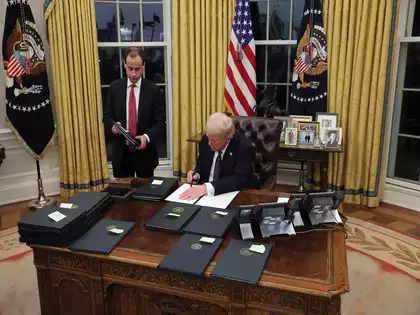
Trump’s New Order Slashes Federal Jobs: Here’s How It Could Reshape Government Operations
The Big Move: Trump Directs Agencies to Plan Mass Layoffs
The White House confirmed this week that Donald Trump has instructed federal agencies to draft plans for large-scale staff reductions, aiming to shrink the U.S. government’s workforce. According to Reuters, the order includes a strict hiring freeze—agencies can hire just 1 new employee for every 4 who leave—a policy critics call a backdoor way to gut public services without outright firings.
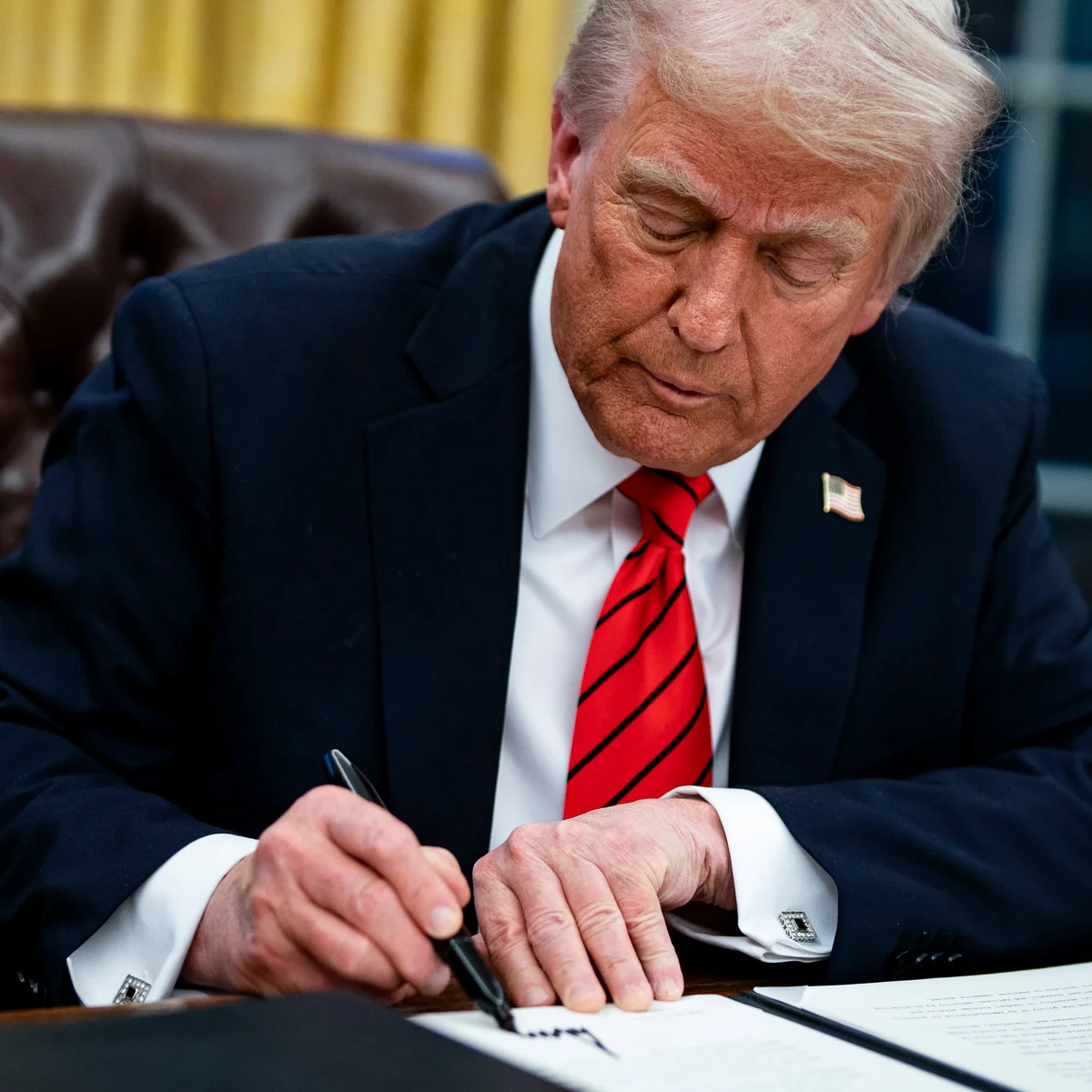
This isn’t Trump’s first attempt to trim federal operations. During his presidency, he frequently vowed to “drain the swamp,” targeting bureaucratic inefficiency. Now, this latest directive revives his small-government agenda, sparking fierce debates about its practicality and consequences.
Why It Matters: The Risks of “Attrition by Design”
Supporters argue cutting federal jobs saves taxpayer money and reduces red tape. But opponents warn the math doesn’t add up:
- Overworked Staff: With fewer workers, remaining employees could face unsustainable workloads, leading to burnout and errors.
- Critical Gaps: Agencies like the CDC, IRS, or FEMA rely on specialized skills. A 1:4 hiring ratio might leave these departments understaffed during crises.
- Service Delays: From passport processing to disaster relief, slower government responses could directly impact everyday Americans.
Trump’s team claims the move prioritizes “efficiency,” but career civil servants fear it’ll cripple their ability to function.
Political Fuel: A Campaign Promise or a Governing Disaster?
This policy isn’t just about budgets—it’s political. Trump has long framed federal workers as part of a “deep state” resisting his agenda. By shrinking agencies, he appeals to base voters who see government as bloated. However, the timing raises eyebrows:
- With the 2024 election looming, the order could energize his supporters.
- Critics call it a “stunt,” noting mass layoffs would face legal hurdles and require Congressional backing.
The move also reignites tensions between small-government conservatives and advocates who argue robust federal services protect vulnerable populations.
What’s Next: Legal Battles and Long-Term Fallout
Federal unions and Democrats are already gearing up to fight the order in court, citing potential violations of worker protections. Meanwhile, agencies must now draft detailed reduction plans—a process that could take months or even years to implement.
Key questions remain:
- Will this lead to privatization of government roles?
- How will it affect Biden-era programs still rolling out?
- Could a future president reverse the cuts?
One thing’s clear: The battle over the size and role of government is far from over.
Trump’s push for federal job cuts is a high-stakes gamble. While it aligns with his smaller-government vision, the real-world impact—on services, workers, and governance—could define his political legacy and shape the 2024 race. Stay tuned as agencies scramble to navigate this controversial mandate.
”Stay ahead of the curve—subscribe now for expert insights and latest news –>Click Here