
A Heartbreaking Day in Nepal: Three Young Lives Lost in School Bus Crash
November 15, 2023 | Salambutar, Sankhu, Kathmandu
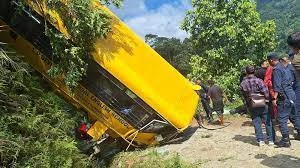
On a quiet Wednesday afternoon in Salambutar, a small community nestled in the hills of Kathmandu, Nepal, a routine school ride turned into a nightmare. A bus carrying dozens of students and teachers crashed violently, leaving three children dead and 40 others injured. The tragedy, which unfolded on November 15, 2023, has left families shattered and a nation grappling with grief and anger.
The Crash That Shook a Nation
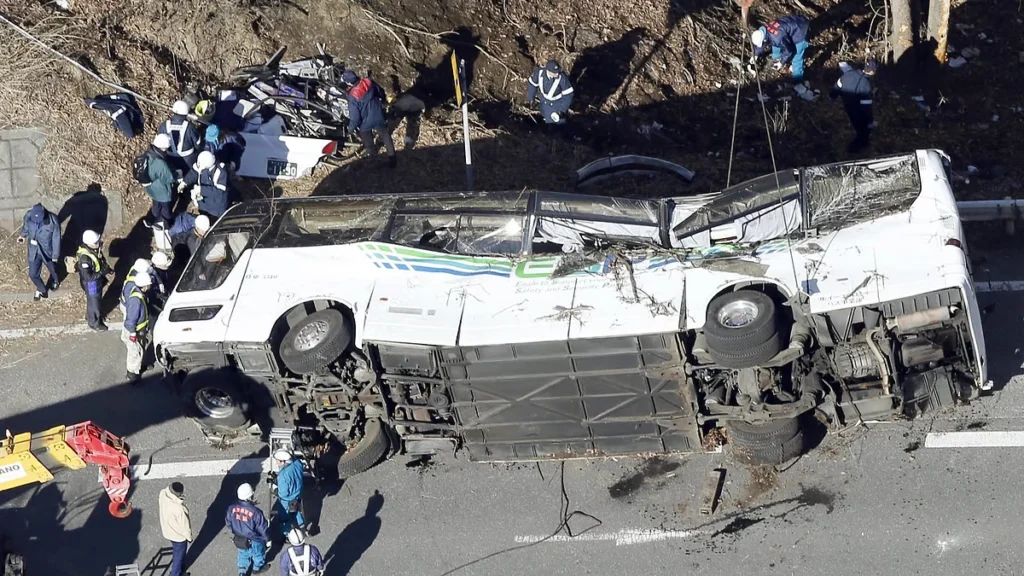
The bus was heading home after school, packed with children laughing and chatting, when disaster struck. Around 12:30 PM, near Salambutar’s winding roads, the vehicle suddenly swerved, tipped over, and plunged into a ditch. Witnesses described hearing screams as the bus rolled, scattering backpacks, books, and debris across the muddy roadside.
Three students—two girls aged 12 and 14, and a 13-year-old boy—died instantly. Rescue teams scrambled to pull survivors from the wreckage. Among the injured were teachers, the bus driver, and students as young as 10, many trapped under seats or crushed by broken metal. Ambulances rushed the wounded to hospitals, where doctors worked through the night treating fractures, head injuries, and trauma.
The Children Behind the Headlines
The victims weren’t just names in a news report. They were children with dreams.
The 14-year-old girl, Riya (name changed), was a chess champion at her school, known for her mischievous grin. Her teacher shared, “She’d stay after class to help younger kids learn the game. Now her board sits empty.” The 12-year-old, Anil (name changed), loved science and carried a tattered notebook filled with sketches of rockets. His best friend, recovering from a broken arm, whispered, “He wanted to build machines to fix Nepal’s roads.”
The youngest victim, 13-year-old Sunita (name changed), had just won a poetry contest. Her mother, clutching her daughter’s favorite scarf at the crash site, said, “She wrote about mountains and rivers. Now she’s part of them.”
A Community’s Anguish
By dawn the next day, the road in Salambutar was covered in marigold flowers, candles, and handwritten notes. Students from nearby schools walked miles to leave teddy bears and origami cranes. A group of mothers sang folk songs about loss, their voices trembling. “How do we send our kids to school now?” one father asked, staring at the twisted bus still lodged in the ditch.
In Kathmandu, schools held assemblies where students hugged their teachers and cried. Social media filled with photos of the victims—smiling in uniforms, posing with siblings—accompanied by the hashtag #SafeSchoolsForNepal.
Why Do These Accidents Keep Happening?
Nepal’s crumbling roads and lax safety rules are no secret. In Salambutar, the narrow, potholed streets lack guardrails, and buses often run with bald tires or broken brakes. “We’ve begged for repairs for years,” said a local shopkeeper. “But nobody listens until tragedy strikes.”
Police suspect brake failure caused this crash, but the deeper issues are systemic. Over 70% of Nepal’s school buses are decades old, with no mandatory safety checks. Drivers, often untrained for mountainous terrain, face pressure to overcrowd buses to cut costs. Last year, a similar crash in Pokhara killed five students. Yet little changed.
A Father’s Plea
Rajesh (name changed), whose 11-year-old daughter survived with a fractured leg, stood outside the hospital, exhausted. “I sold my land to pay her school fees,” he said. “But what’s the point if she’s not safe?” His words echo across Nepal, where parents are demanding:
- Urgent bus safety inspections – starting with schools.
- Better roads – widen lanes, add signs, fix landslides.
- Strict penalties for reckless drivers and corrupt officials who ignore vehicle violations.
Hope Amid the Pain
In the darkest moments, small acts of kindness shine. Strangers donated blood for the injured. Teachers visited hospitalized students to deliver homework and hugs. A teen survivor, her arm in a sling, told reporters, “I’ll study harder. I want to be an engineer and build safer buses.”
Local NGOs have launched “Safe Rides for Kids,” crowdfunding to repair buses and train drivers. Global charities are offering trauma counseling for survivors. “These kids aren’t just victims—they’re warriors,” said a volunteer.
What Comes Next?
As funerals begin, Nepal faces a choice: repeat past mistakes or fight for change. Grieving families are meeting lawmakers this week, demanding a new road safety bill. “Our children’s lives must matter more than bureaucracy,” said a grieving uncle.
For now, Salambutar’s hills are silent, save for the sound of prayers. But in classrooms nationwide, students are writing letters to leaders: “We deserve to grow up. Please don’t forget us.”
This isn’t just Nepal’s tragedy. It’s a wake-up call for every nation that values its children. Let’s honor Riya, Anil, Sunita, and the injured by building a world where no parent fears a school bus ride.
Click Here to subscribe to our newsletters and get the latest updates directly to your inbox