
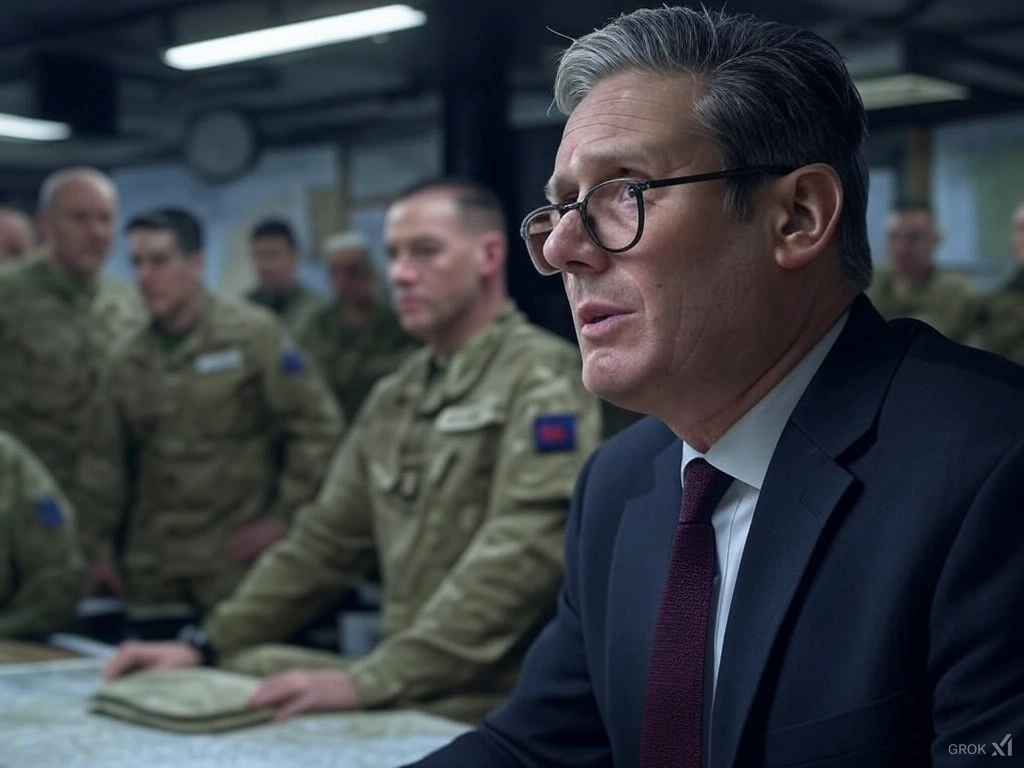
UK’s Starmer Open to Ground Troop Role in Ukraine Amid High-Stakes Peace Negotiations
Ukraine’s conflict has been one of the most defining geopolitical conflicts of our time. As relations between Russia and Ukraine have grown tenser, global leaders have been pulled into a nervous waltz—attempting to soothe tempers while attempting to advance national interests. Against such a background UK Prime Minister Keir Starmer made news some time ago where he said he would send British troops to Ukraine if it is included in the framework of some future peace operation. In this article, will take it down from top to bottom by examining the interests and the stakes.
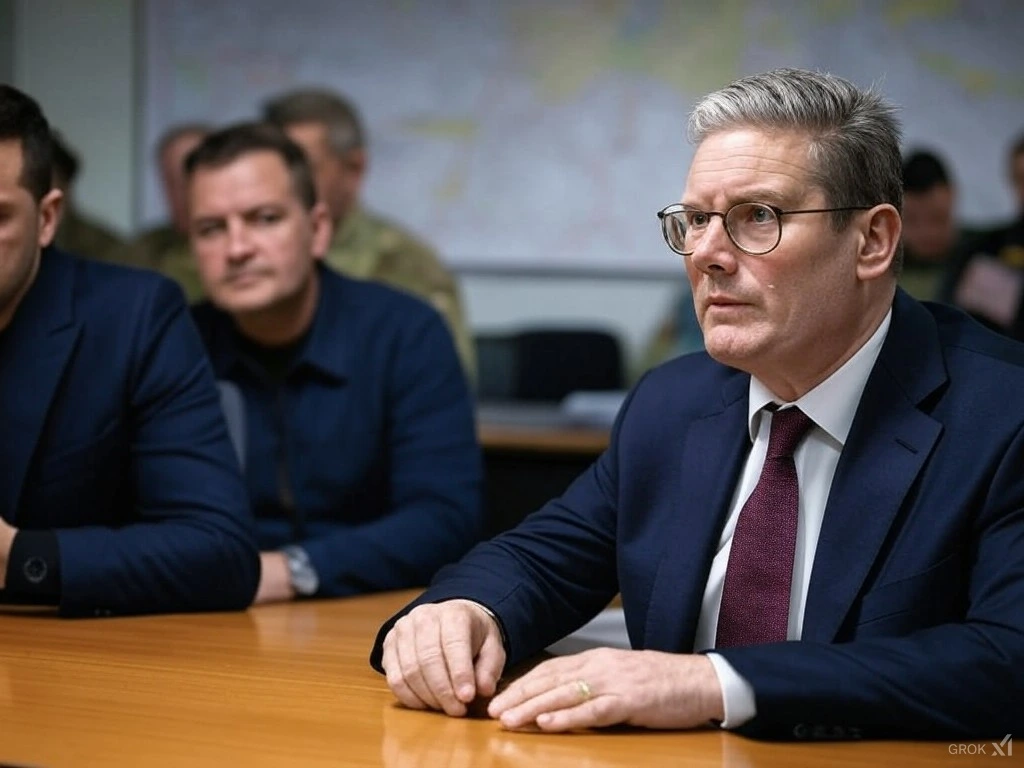
The Context: UK’s Role in the Ukraine Conflict
To fully comprehend Starmer’s stance, it’s important to first understand the broader context of the Ukraine crisis and the UK’s role within it.
The War in Ukraine: A Global Conflict
The war in Ukraine began in 2014 when Russia annexed the Crimean Peninsula, thereby positioning Russia against the West. The war escalated with time, particularly with Russia’s invasion of Ukraine in 2022. With the war still ongoing, foreign actors have stepped onto the stage—either supporting Ukraine or following diplomatic avenues.
The UK has been a keen supporter of Ukraine, and military assistance and financial assistance has been provided to the Ukrainian administration. Labour Party opposition leader and British Prime Minister Keir Starmer has been openly advocating the aid for many years, demanding an international collective approach to the Russian atrocities.
Starmer’s Position: A Shift in Strategy?
Keir Starmer has since suggested a change in the UK’s position more recently. Whereas the UK has both provided Ukraine with military resources and equipment, Starmer now indicated he would deploy British troops to Ukraine but for non-military purposes. Rather, he raised the consideration of a postwar peacekeeping operation. His stance provokes fundamental questions about British military engagement’s future and that of a pacifist conclusion to the war.
Why the Ground Troop Proposal Matters
The suggestion to deploy British soldiers to Ukraine, even as peacekeepers, is a big step. It is an indication of the wider questions of global diplomacy, security, and the UK’s global role in foreign conflicts.
The Importance of Peacekeeping Forces
Peacekeeping forces are typically deployed in post-conflict situations to maintain order, ensure the protection of civilians, and help facilitate a political resolution. By considering sending troops, Starmer is signaling the UK’s commitment to stabilizing the region once a peace agreement is reached. This would require the UK to take on an active role in shaping the postwar landscape in Ukraine.
The involvement of foreign troops in peacekeeping missions is not uncommon. The United Nations, for example, has deployed peacekeepers in various conflict zones around the world. However, the idea of sending British troops to Ukraine raises significant concerns, particularly in terms of potential risks to UK soldiers and the diplomatic consequences of such a move.
The Risks of Troop Deployment
While the peacekeeping role may seem like a noble and necessary step, it is not without risks. The situation in Ukraine remains volatile, and the presence of foreign troops could exacerbate tensions, particularly with Russia. Additionally, there is the risk of British soldiers being drawn into a larger conflict, even if they are not directly involved in combat operations.
Starmer’s decision to consider such a move highlights the difficult decisions facing global leaders in times of crisis. On one hand, peacekeeping could help stabilize the region and protect Ukrainian civilians. On the other, it could escalate an already fragile situation and invite greater military retaliation from Russia.
The Geopolitical Landscape: Why Starmer’s Proposal Matters
In today’s interconnected world, any decision related to international military involvement can have far-reaching consequences. Starmer’s openness to deploying British troops to Ukraine as part of a peacekeeping mission fits into a larger geopolitical framework, one where the UK plays a pivotal role in maintaining European stability.
The Role of the UK in Global Security
The United Kingdom has been a key player in European and global security for decades. The UK is a permanent member of the United Nations Security Council and a member of NATO, and with those positions comes the obligation to keep Europe stable and help defend democratic nations. Starmer’s approach is more than a domestic posture—it is a signal to the world at large that the UK is prepared to take leadership to bring peace in Eastern Europe.
Moreover, the UK’s involvement in the peacekeeping mission could have a significant impact on the security framework of Europe as a whole. With British troops being deployed, it would reflect the UK’s continued commitment to resisting Russian influence in the region and upholding European values.
Keir Starmer’s openness to deploying British troops as part of a peacekeeping mission in Ukraine reflects the gravity of the situation in Eastern Europe. While it is a bold statement, it is also a calculated move, aimed at preventing further escalation and helping stabilize a war-torn region. The coming months will be crucial in determining how the UK will navigate this complex issue, balancing its international obligations with the need to protect its citizens and military personnel.
Click Here to subscribe to our newsletters and get the latest updates directly to your inbox