
Elon Musk’s Tesla Recalls Over 46,000 Cybertrucks: A Look at Its Past Callbacks
Elon Musk’s Tesla, which is all about innovation and disruption in the automotive industry, is back in the headlines—this time for recalling 46,000 of its highly anticipated Cybertrucks. The recall in late 2023 is just another on the lengthy list of safety-related repairs at Tesla, and one that has everyone wondering whether faster technological advancements come with tighter quality control. While Tesla has built its brand on rule-breaking, its repeated recalls highlight the challenges of maintaining reliability in an era of breakneck innovation. This blog delves into the specifics of the Cybertruck recall, examines Tesla’s previous history of callbacks, and considers what such trends might mean for the company’s future.
The Cybertruck Recall: What Went Wrong?
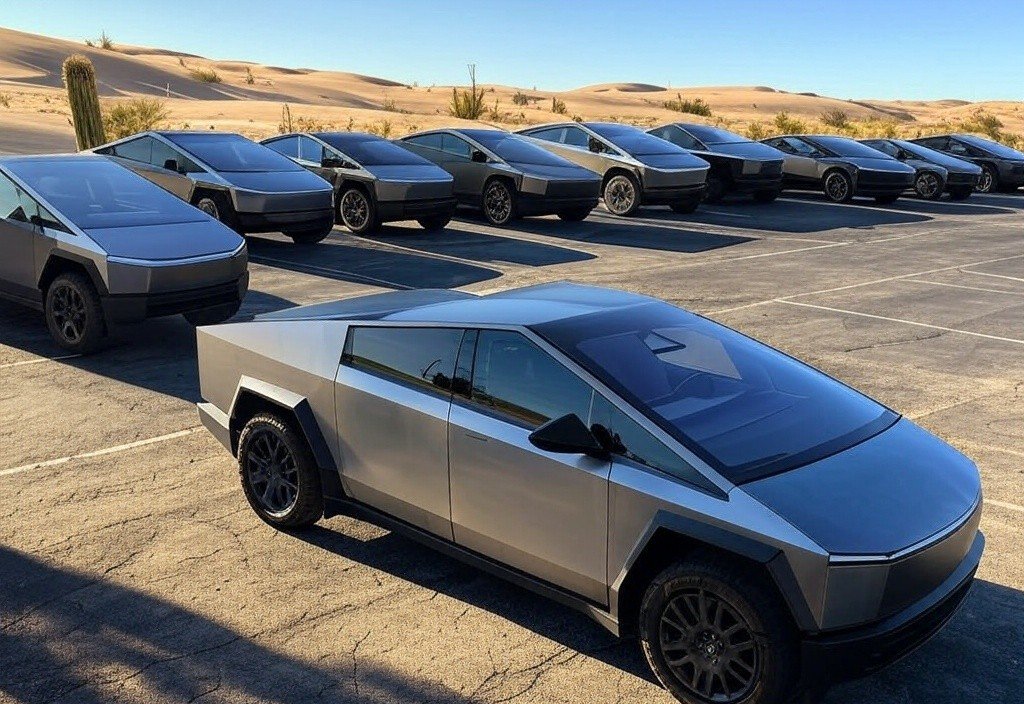
Tesla’s angular, stainless-steel electric pickup truck, the Cybertruck, has been a source of controversy since its introduction in 2019. The truck, which was intended to be toughly durable and appear as if it were from a science fiction film, accumulated more than 1.5 million pre-orders in a matter of days. Yet the introduction of the vehicle has been plagued by delays and production problems. The latest fiasco is a recall of 46,000 vehicles over a serious software defect in the braking system of the truck.
The defect is caused by a failure in regenerative braking calibration by the National Highway Traffic Safety Administration (NHTSA), and can lead to sudden deceleration or delayed response in specific driving conditions. Tesla explained that no accidents or injuries have been reported, but the flaw represents a “substantial risk” of rear-end collisions. The repair, as is typical with most Tesla recalls, will be distributed via an over-the-air (OTA) software update—a testament to the company’s tech-focused culture.
Musk responded to the recall on X (formerly Twitter), saying, “No physical service visit necessary. Software patches are the future of auto safety.” While OTA updates reduce inconvenience, critics argue that OTA updates as often as these only highlight quality control system weaknesses since Tesla sacrifices extensive testing for speed-to-market.
A History of Recalls: Tesla’s Track Record
The Cybertruck recall is far from unique. Tesla has undergone many callbacks throughout the years across hardware deficiencies, software glitches, and regulatory compliance issues. Below are some of the most prominent examples:
1. 2013: Model S Battery Fire Risks
Tesla’s initial large recall was 29,222 Model S sedans following complaints of the charging adapter overheating and potentially causing battery fires. The problem occurred due to a defective wall charger design and had the adapters replaced at no cost to customers. Although resolved quickly, the event introduced Tesla to the challenges of expanding manufacturing while maintaining safety.
2. 2015–2020: Autopilot and Full Self-Driving (FSD) Revisions
Tesla’s Autopilot and FSD technologies have been marred by recalls over misrepresentation of capabilities. In 2020, NHTSA compelled Tesla to recall 135,000 vehicles because of touchscreen failures caused by memory chip wear-out—a fault that incapacitated safety features such as backup cameras and defogging systems. More recently, in 2023, Tesla recalled 362,758 vehicles after regulators ruled its FSD Beta software was susceptible to dangerous behaviors at intersections.
3. 2021: Model 3 and Model Y Seatbelt Defects
A 5,974-vehicle recall of Model 3 and Model Y cars focused on loose seatbelt fasteners that might come loose in crashes. The problem was traced to a Fremont factory manufacturing defect, leading to physical checks and repairs.
4. 2022: “Boombox” Feature Muting Pedestrian Warnings
In a bizarre but earnest blunder, Tesla had to recall 578,607 cars because its “Boombox” feature that enabled drivers to play outside music could silence federally required pedestrian alert sounds. The NHTSA labeled it as a serious safety infraction, and Tesla deactivated the feature through a software patch.
5. 2023: Cybertruck’s Stainless Steel Exterior Concerns
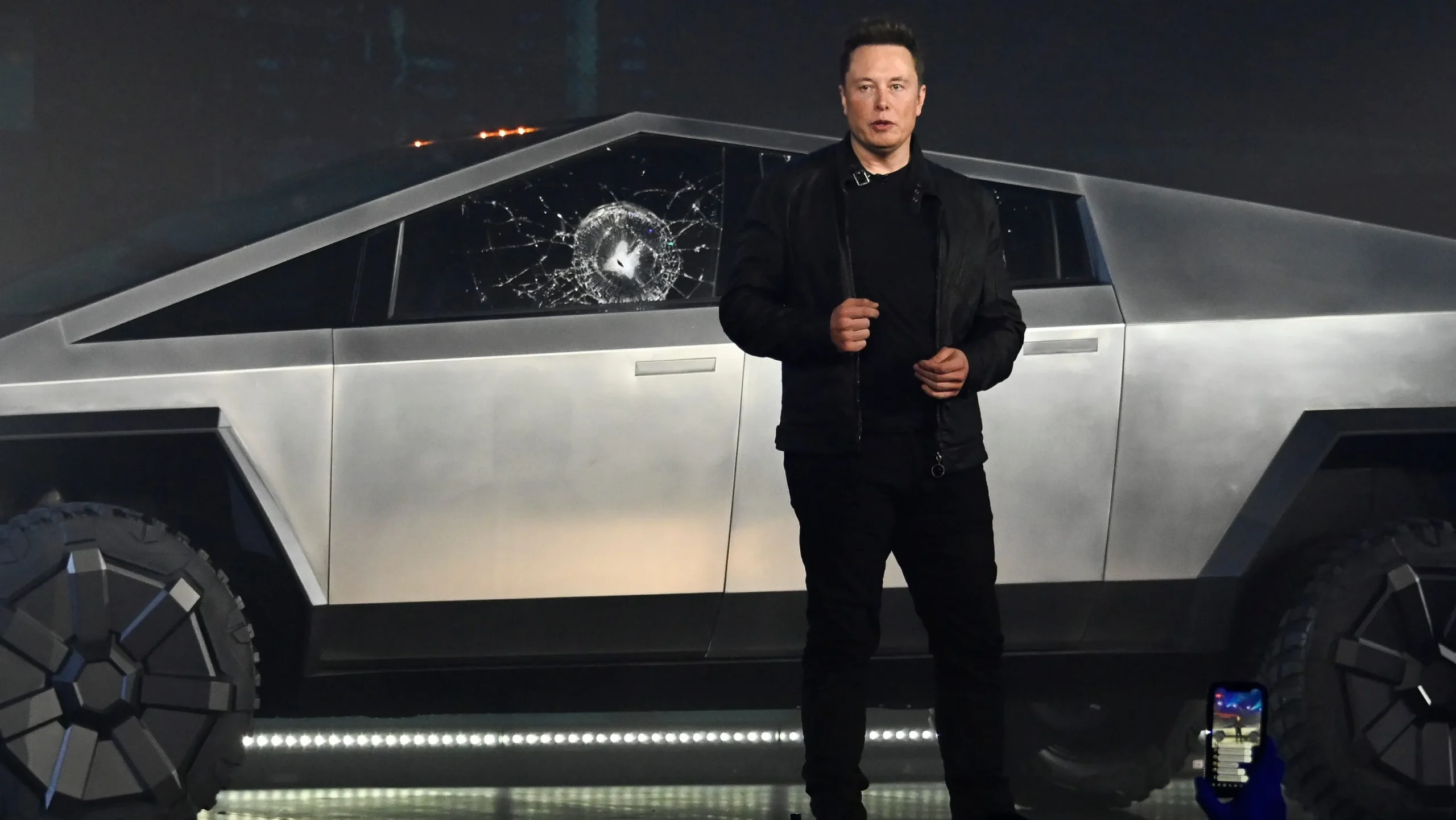
Even prior to the braking software recall, the Cybertruck came under fire regarding its stainless steel exoskeleton. Initial testers pointed out that the sharp lines and stiff nature presented injury concerns in low-speed accidents, but no official recall has been put in place to date.
Why Does Tesla Keep Facing Recalls?
Tesla’s recall frequency reflects broader tensions between its disruptive ethos and traditional automotive standards. Three key factors drive this pattern:
- Software-Centric Design: Unlike legacy automakers, Tesla treats its vehicles as “computers on wheels,” relying heavily on software updates to add features and fix bugs. While this allows rapid improvements, it also means rolling out half-baked systems that require post-release patches.
- Vertical Integration Pressures: Tesla’s control over everything from battery production to AI chips gives it agility but also concentrates accountability. When a component fails, the buck stops with Tesla—not third-party suppliers.
- Regulatory Scrutiny: As Tesla’s market share grows, so does regulatory oversight. NHTSA has become increasingly assertive, launching over 40 investigations into Tesla since 2016, many of which resulted in recalls.
The Ripple Effect: Brand Impact and Consumer Trust
Recalls are expensive—not only in dollars but in reputation. Tesla has spent more than $500 million on recalls since 2020, and its stock tends to fall temporarily after announcements. But the company’s devoted customer base and cult following have absorbed long-term harm. A 2023 Consumer Reports survey discovered that 88% of Tesla owners would purchase another Tesla, even with recalls, because they were satisfied with performance and software updates.
All the same, doubt is growing. Rivals such as Ford and Rivian are riding Tesla’s missteps by highlighting their aggressive testing procedures. “Each recall eats away at the ‘invincible innovator’ reputation,” added auto analyst Mary Barra. “Tesla must demonstrate it can grow up without sacrificing its innovative edge.
Innovation vs. Reliability: Can Tesla Balance Both?
Elon Musk has never shied away from risk-taking. His “fail fast, fix faster” mantra has pushed Tesla to the forefront of EV innovation. But as the company expands—delivering 1.8 million vehicles in 2023—the stakes are higher. A single safety failure can wreck years of brand equity.
To counteract this, Tesla is investing in AI-quality control systems and expanding its Gigafactory oversight. Meanwhile, Musk insists that recalls are an inevitable side effect of pioneering new technology: “You can’t change the world without breaking a few things. What matters is how quickly you fix them.”
A Test of Tesla’s Resilience
The recall of the Cybertruck is a microcosm of Tesla’s history—a synthesis of ambition, growing pains, and flexibility. While recalls happen in the car business, Tesla’s exclusive reliance on software and hyper-speed development cycles leave it particularly exposed.
For Tesla, the future is to walk a fine line: keeping innovating fearlessly while embracing the careful quality checks of established players. With competitors nipping at its heels and regulators tightening their noose, the ability of the company to learn from its callback past will decide whether it continues to be the EV king or becomes a cautionary example.
Click Here to subscribe to our newsletters and get the latest updates directly to your inbox.