

Elon Musk’s Potential Exit from DOGE: Trump’s Hint Sparks Speculation Amid Tesla Turmoil
In a stunning turn of events that has sparked political and financial circles, former U.S. President Donald Trump recently hinted that Elon Musk, the world’s wealthiest entrepreneur and a key ally, may soon step down as head of the Department of Government Efficiency (DOGE). This temporary White House advisory role, which Musk has held since early 2023, has drawn intense scrutiny amid backlash over aggressive cost-cutting measures and federal workforce reductions. As Musk’s Tesla faces its own storms—plummeting sales and stock prices—the billionaire’s divided priorities spotlight a critical juncture in his career: Can he balance revolutionizing industries with reshaping government
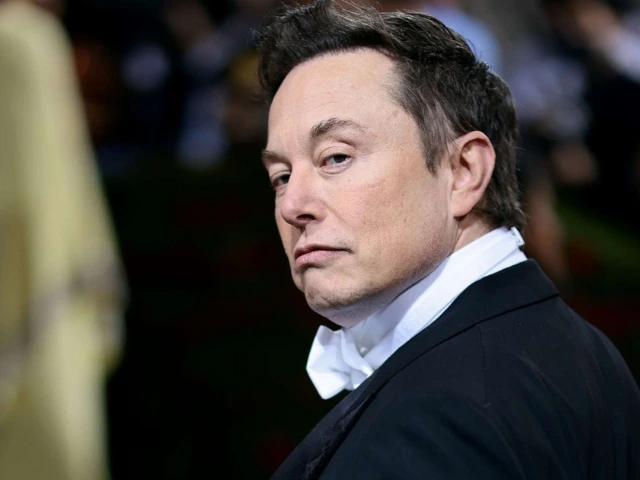
Trump’s Remarks: “He’s Got a Big Company to Run”
In an interview with Politico, Trump complimented Musk’s “amazing” efforts on DOGE but recognized the inevitability of his return to corporate helm. “I think he’s going to go back. He wants to. I’d keep him as long as I could,” Trump said, highlighting Musk’s far-flung duties over Tesla, SpaceX, and X (formerly Twitter).
The remarks arrive as DOGE, an unorthodox agency created by executive order rather than congressional approval, faces mounting criticism. Tasked with streamlining federal operations, the department has spearheaded controversial initiatives, including slashing budgets, consolidating agencies, and terminating thousands of federal jobs. While Trump frames these moves as necessary for fiscal discipline, opponents argue they’ve triggered bureaucratic chaos and eroded public services.
DOGE’s Controversial Legacy: Austerity Meets Outrage
Since its inception, DOGE has operated under a cloud of contention. Absent congressional oversight, Musk’s team rapidly implemented sweeping changes, such as:
- A 15% budget cut across multiple agencies, including the EPA and Department of Education.
- Automation-driven layoffs, replacing an estimated 12,000 federal roles with AI systems.
- Privatization of federal programs, including handing over Medicare claims processing to private contractors.
Protesters have rallied outside the White House for months, brandishing signs like “DOGE = Disaster” and “Stop Musk’s Madness.” Unions representing federal workers have filed lawsuits alleging wrongful terminations, while watchdog groups warn of declining transparency. “DOGE’s approach is like using a flamethrower to prune a garden—it’s destructive, not efficient,” remarked Maya Lin, director of the Government Accountability Project.
Musk’s Defense: “A Trillion-Dollar Deficit Reduction”
During a Fox News interview last week, Musk defended DOGE’s trajectory, claiming, “We’ll have accomplished most of the work needed to reduce the deficit by a trillion dollars.” He cited digitizing outdated systems and eliminating redundancy as successes, though critics demand specifics. Economists remain skeptical. “Deficit reduction requires revenue reforms, not just cuts. DOGE’s model is unsustainable,” argued Nobel laureate Paul Krugman in a New York Times op-ed.
Significantly, DOGE’s existence is transitory, expiring on July 4, 2026. Created under Trump’s 2022 executive order, it took in the U.S. Digital Service (USDS)—a tech unit established under Obama to give government IT a modernizing face. While USDS worked incrementally, DOGE’s radical restructuring is a testament to Musk’s “disrupt or die” philosophy
Tesla’s Turbulence: A Catalyst for Musk’s Exit?
While Musk navigates political fires, Tesla—the cornerstone of his empire—is faltering. Once the unrivaled leader in electric vehicles (EVs), the company reported a 36% stock decline in Q1 2024, alongside dwindling global sales. Analysts attribute this to:
- Increased competition from BYD, Ford, and Hyundai, whose cheaper EVs dominate emerging markets.
- Consumer fatigue over delayed Cybertruck deliveries and Musk’s polarizing public persona.
- Strategic missteps, such as prioritizing robotaxis over affordable models.
“Tesla demands Musk’s full focus,” warned Wedbush analyst Dan Ives. “Distractions such as DOGE and X are costing investors billions.” Sure enough, Musk’s divided focus has raised suspicion. In April, he took the wraps off a Tesla humanoid robot prototype barely a week after DOGE’s announcement of its latest round of layoffs—a situation that fueled denunciations of his priorities.
The Road Ahead: Musk’s Crossroads
Musk’s prospective DOGE exit highlights a larger question: Can iconoclastic entrepreneurs actually rule? His allies insist that private enterprise innovation is necessary to replace bureaucracy. “Government needs Musk’s velocity and risk-taking,” said libertarian analyst Dave Smith. But opponents say that government requires compromise-building, not solo edicts.
For Trump, losing Musk would undermine his 2024 reform platform. DOGE’s 2026 expiration leaves little time to solidify its policies, and no clear heir has Musk’s clout. In the meantime, Tesla’s recovery depends on Musk’s return. The billionaire has already hinted at a $25,000 EV model, but investors wonder if he can deliver as more challenges pile up.
A High-Stakes Balancing Act
Elon Musk’s drama at DOGE underscores the tension between innovation and regulation. His claims of slicing deficits are unfounded, sothe department’s divisive effect cannot be denied. With Tesla’s woes piling up, Musk is faced with a critical decision: double down on saving his auto kingdom or seal a legacy as a governmental revamp operator. For Trump, the stakes are just as high losing his shining advisor may ruin a signature project. Musk’s departure might depend less on political will and more on hard, cold economics: Tesla needs him to survive, but DOGE’s experiment may not.
Click Here to subscribe to our newsletters and get the latest updates directly to your inbox.