
Ukraine Accuses Russia of Deliberate Missile Strike on Indian Pharma Warehouse: A Blow to Global Health and Diplomacy
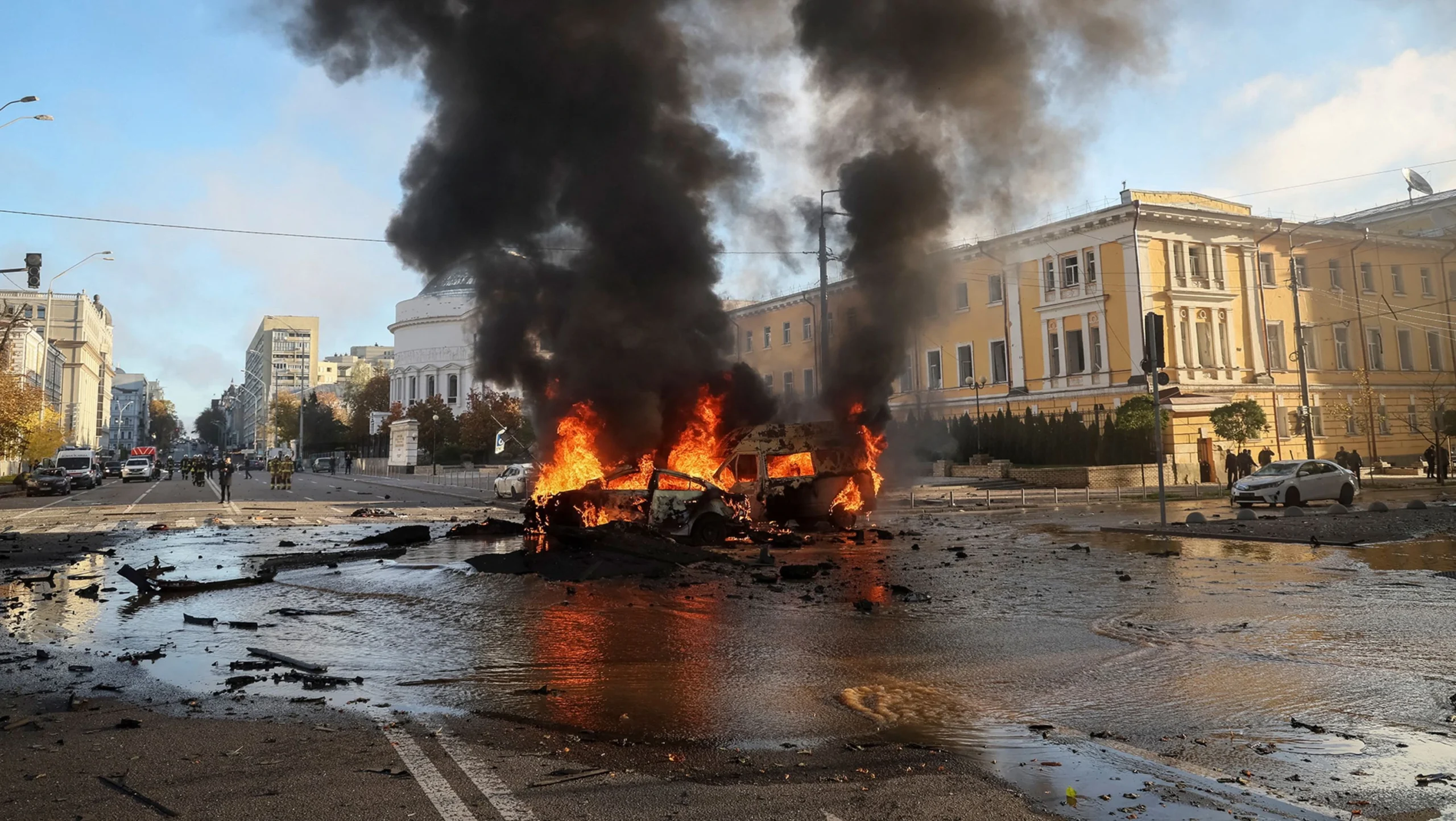
In a sudden escalation of tensions during the ongoing Russia-Ukraine war, Ukraine has blamed Russia for deliberately striking an Indian pharmaceutical firm’s warehouse in a missile attack, which has raised questions about the weaponization of civilian infrastructure and its spillover impact on global diplomacy. The attack, which has destroyed essential medical supplies destined for vulnerable groups, has attracted criticism from Kyiv and created a diplomatic dilemma for India, a traditionally neutral country in the conflict.
The Incident: A Targeted Attack on Humanitarian Supplies
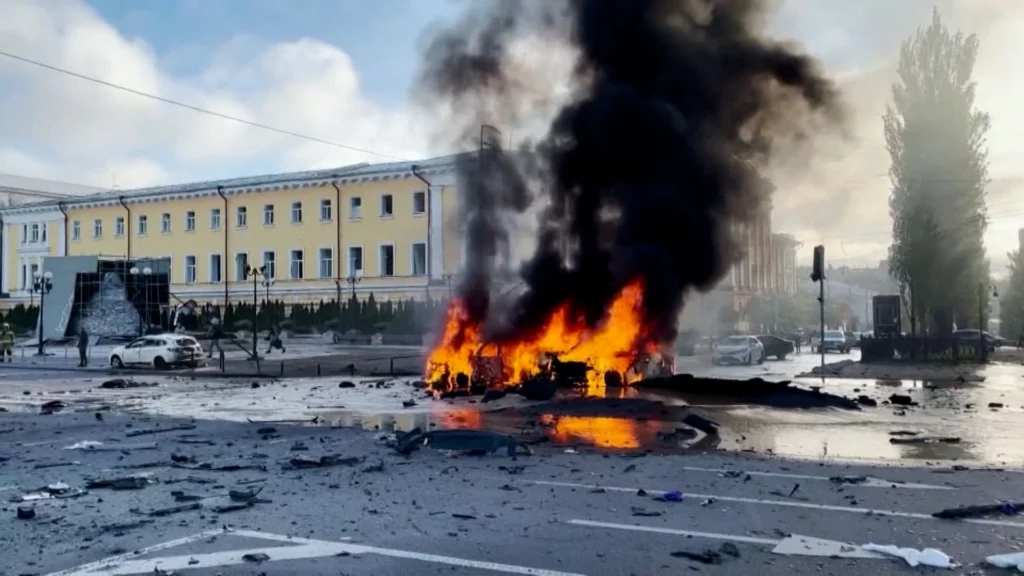
On Saturday, Ukraine’s embassy in India went to social media site X (formerly Twitter) to accuse Russian troops of “deliberately” attacking a Kusum Pharma warehouse, an Indian pharmaceutical company, in Ukraine. The embassy’s tweet accused Moscow of hypocrisy, saying, “While boasting ‘special friendship’ with India, Moscow deliberately targets Indian businesses — destroying medicines intended for children and the elderly.
Though information regarding the location of the warehouse and the magnitude of casualties is still sketchy, the embassy underscored the fact that the attack compromised life-saving medicines, further depleting Ukraine’s already weakened healthcare system. The attack represents the first public instance in which Ukraine blamed Russia for targeting Indian business interests within its borders, marking a possible change in the conflict’s geopolitical implications.
Russia’s Silence and Historical Context
To date, Russia has not responded officially to the accusations. Nevertheless, the Kremlin has repeatedly rejected accusations of targeting civilian infrastructure in Ukraine, portraying its actions as precision strikes on military targets. This new accusation is part of a long list of disputed claims, with Ukraine and its Western allies regularly accusing Russia of breaching international humanitarian law by engaging in indiscriminate attacks.
The attack on an Indian-owned plant, if it is intentional, has symbolic significance. India and Russia have decades of diplomatic and defense relationships, with India depending significantly on Russian arms imports and refusing to condemn the invasion of Ukraine outright. New Delhi has also increased its engagement with Western countries, presenting itself as a neutral player calling for talks. This balancing act is made more difficult by the so-called attack on Kusum Pharma’s warehouse, challenging India to uphold its non-aligned posture.
India’s Diplomatic Tightrope
India’s reaction to the event will be monitored closely. The nation has treaded carefully since the conflict started, refraining from voting in the United Nations against Russia while ramping up the acquisition of discounted Russian oil. Prime Minister Narendra Modi has stressed a peaceful resolution, even informing Russian President Vladimir Putin in 2022 that “this is not an era of war.”
Yet the loss of an Indian business’s property in Ukraine poses a new dilemma. New Delhi traditionally guards the interests of its diaspora and foreign corporations, and a failure to act on this incident could galvanize domestic criticism. The Indian government has not yet come out with an official statement, but sources indicate diplomats are asking for both Ukrainian and Russian authorities to clarify.
Kusum Pharma, whose activities are the subject of the controversy, has not issued any public statement about the attack. The company’s activities in Ukraine’s pharmaceutical industry are unclear, but the embassy’s claim that the warehouse stored medicines for children and the elderly highlights the humanitarian implications of such attacks. As Ukraine’s health system is crumbling under the pressures of war, the destruction of medical supplies would exacerbate the crisis for the vulnerable populations
Global Reactions and Legal Implications
The attack has reopened arguments regarding the safeguarding of civilian infrastructure during warfare. International law holds that medical facilities and humanitarian aid are war crimes unless they can be shown to have a direct military benefit. If Russia is found to have specifically targeted the warehouse, it may come under increased focus at the International Criminal Court (ICC), which previously issued an arrest warrant for Putin for the alleged deportation of Ukrainian children.
In the meantime, Ukraine’s move to make the attack public through its Indian embassy indicates a calculated attempt at mobilizing international support, especially from non-aligned countries such as India. By presenting the strike as an insult to Indian interests, Kyiv could be seeking to put pressure on New Delhi to take a stronger stand against Moscow.
The Humanitarian Fallout
Aside from the geopolitical game of chess, the attack underscores the catastrophic human toll of the war. Ukraine’s health system, already decimated by almost two years of war, is dependent on foreign assistance and private imports of pharmaceuticals. Medications for chronic diseases, children’s care, and elderly populations are in desperately short supply, with the World Health Organization (WHO) sounding an alarm of a “health crisis” in occupied and frontline areas.
The destruction of Kusum Pharma’s warehouse not only disrupts supply chains, but also poses a dangerous precedent. If civilian medical infrastructure is a frequent target, humanitarian organizations may not be able to function in Ukraine, depriving millions of access to life-saving care.
A Test for India-Russia Relations
For India, the event raises discomfiting questions regarding its relationship with Russia. Though New Delhi holds Moscow dear as an old friend and principal defense partner, the war in Ukraine strained relations with Western countries that interpreted India’s neutrality as implicit approval of Russian aggression. Managing these conflicting interests will demand skilled diplomacy.
If proof surfaces to support Russia’s intentional bombing of the warehouse, India could be pressured to rethink its position. On the other hand, if the attack is found to have been accidental or misreported, it might support India’s case for neutrality. Either situation highlights the dangers of conducting business in war zones, even for countries trying to stay neutral.
The Path Forward: Accountability and Dialogue
As the investigation of the attack continues, demands for accountability become shriller. Ukraine has called on international organizations such as the United Nations and the ICC to probe Russian war crimes, and this attack might find its way onto the list of complaints. India for its part might use its diplomatic networks to call for an independent investigation, maintaining transparency while protecting its economic interests.
Finally, the bombing of Kusum Pharma’s warehouse highlights the imperative need for renewed efforts at peace. As civilian deaths continue to rise and international alliances change, the war’s collateral effects reach far beyond Ukraine’s frontiers. As countries such as India try to navigate this labyrinthine world, the international community must ensure the protection of humanitarian infrastructure and adherence to the precepts of international law.
A Crisis with Global Repercussions
The reported Russian missile attack on an Indian pharmaceutical warehouse in Ukraine is not just a bilateral issue—it’s a miniature representation of the war’s wide-ranging implications. By putting humanitarian supplies at risk and pushing diplomatic alliances to the limit, the event illustrates the interconnected nature of global health, trade, and geopolitics.
For Ukraine, the attack is a call to arms to reveal Russia’s strategy. For India, it is a test of its non-aligned foreign policy. And for the world, it is a reminder that in contemporary conflict, no country—and no enterprise—is really insulated from the spillover. As the fighting continues, protection of civilian life and infrastructure must remain the priority, or the war’s memory will be one of unnecessary human pain and fractured global trust.
Click Here to subscribe to our newsletters and get the latest updates directly to your inbox.