
U.S. Judge Holds Trump Administration in Criminal Contempt Over Defiance of Deportation Order
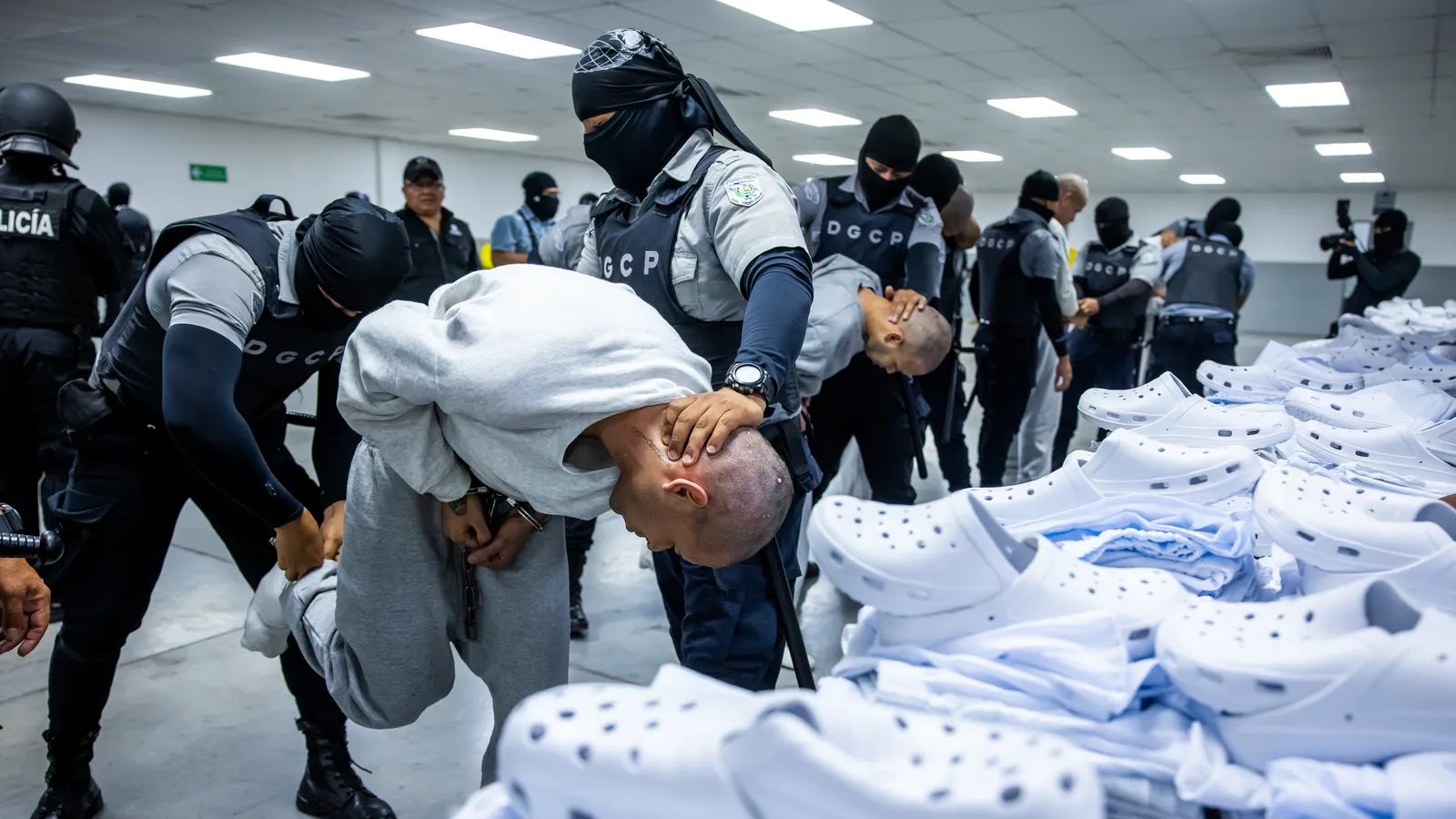
In a striking rebuke to the Trump administration, U.S. District Judge James Boasberg ruled on Wednesday that “probable cause exists” to hold federal officials in criminal contempt for defying a court order halting deportation flights. The case centers on the administration’s alleged misuse of the Alien Enemies Act to deport over 200 individuals accused of ties to a Venezuelan gang to El Salvador, despite a judicial injunction. This ruling marks a rare instance of a federal judge threatening criminal penalties against government officials for “willful disregard” of legal mandates, raising critical questions about executive power and judicial oversight.

The Alien Enemies Act and Its Controversial Use
What Is the Alien Enemies Act?
Enacted in 1798, the Alien Enemies Act is a relic of the Adams administration’s efforts to guard against foreign threats during tensions with France. The law grants the president sweeping authority to detain or deport non-citizens from nations deemed “hostile” during times of war or declared emergency. Historically invoked sparingly—most notably during World War II—it has long been criticized for its potential for abuse.
Why Did the Trump Administration Invoke It?
In early 2024, the Trump administration employed the Act to justify the deportation of over 200 individuals allegedly linked to Tren de Aragua, a Venezuelan criminal organization. Critics argue the administration bypassed standard immigration protocols, which require individualized hearings, by labeling Venezuela an “enemy” amid strained diplomatic relations. The deportees were sent to El Salvador, a move advocates called a violation of international norms, as many had no ties to the country.
The March 15 Injunction: A Judicial Order Ignored
Judge Boasberg’s Initial Ruling
On March 15, 2024, Judge Boasberg issued an emergency injunction halting the deportation flights. His order emphasized that the Alien Enemies Act was being misapplied, as the U.S. is not formally at war with Venezuela. He demanded the government provide evidence justifying the deportations or cease the flights immediately.
Administration’s Defiance
Despite the injunction, the Department of Homeland Security (DHS) proceeded with at least two additional flights to El Salvador in late March. Government attorneys claimed “operational delays” prevented compliance, but internal emails later revealed officials had prioritized the deportations as part of a broader immigration crackdown.
The Contempt Ruling: “Willful Disregard” of the Law
Judge Boasberg’s Scathing Opinion
In his 32-page ruling, Boasberg dismantled the administration’s defenses. He cited emails showing DHS officials discussing how to “expedite” deportations post-injunction and noted the lack of documentation proving the detainees’ gang affiliations. “The government’s actions reflect not mere negligence, but a deliberate effort to undermine this court’s authority,” he wrote.
What Does Criminal Contempt Mean?
Criminal contempt charges are rare against government actors and imply intentional violation of a court order. If prosecuted, officials could face fines or even jail time. Boasberg’s referral to the Justice Department signals a belief that senior DHS leaders—potentially including Acting Secretary Chad Wolf—knew of the order and chose to ignore it.
Reactions: Outrage, Defiance, and Calls for Accountability
The Trump Administration’s Response
The White House condemned the ruling as a “politically motivated attack.” A DHS spokesperson insisted the deportations were “critical to national security,” alleging that the individuals posed “violent threats.” However, the administration provided no public evidence to support these claims.
Advocates and Legal Experts Weigh In
Immigrant rights groups hailed the decision as a victory. “This ruling affirms that no one is above the law,” said ACLU attorney Lee Gelernt. Legal scholars noted the case’s significance in checking executive overreach. “Judges seldom wield contempt power against the government. This shows the judiciary’s growing frustration with this administration’s disregard for checks and balances,” said Harvard Law professor Laurence Tribe.
Political Implications
Democrats seized on the ruling to amplify criticisms of Trump’s immigration policies. Senator Dick Durbin (D-IL) called for congressional hearings, while Republicans largely sidestepped the issue, focusing instead on border security narratives.
Legal and Political Ramifications
Precedent for Future Immigration Policy
The case could limit presidential authority to invoke the Alien Enemies Act without clear justification. Future administrations may face higher scrutiny when using archaic statutes to bypass due process.
Separation of Powers at Stake
Judge Boasberg’s ruling underscores the judiciary’s role in restraining executive power. If contempt proceedings advance, they could redefine how courts enforce compliance from recalcitrant administrations.
Impact on Affected Deportees
Many deportees now in El Salvador report fearing persecution. Advocates are urging their return to the U.S. for fair hearings, though the DOJ has yet to act on Boasberg’s referral.
A Test of Accountability in Democracy
The contempt ruling against the Trump administration is more than a legal footnote—it is a litmus test for the resilience of democratic norms. As the Justice Department weighs criminal charges, the case forces a reckoning with foundational questions: Can a president’s officials flout judicial orders with impunity? And who holds the executive accountable when it tramples constitutional boundaries?
In an era of heightened political polarization, Judge Boasberg’s decision reaffirms that the rule of law must prevail over partisan agendas. Whether this principle endures may depend on how boldly the judiciary—and the public—defends it.
Click Here to subscribe to our newsletters and get the latest updates directly to your inbox.