
Trump’s $100 Billion Saudi Arms Deal: Geopolitical Gambit or Ethical Quandary
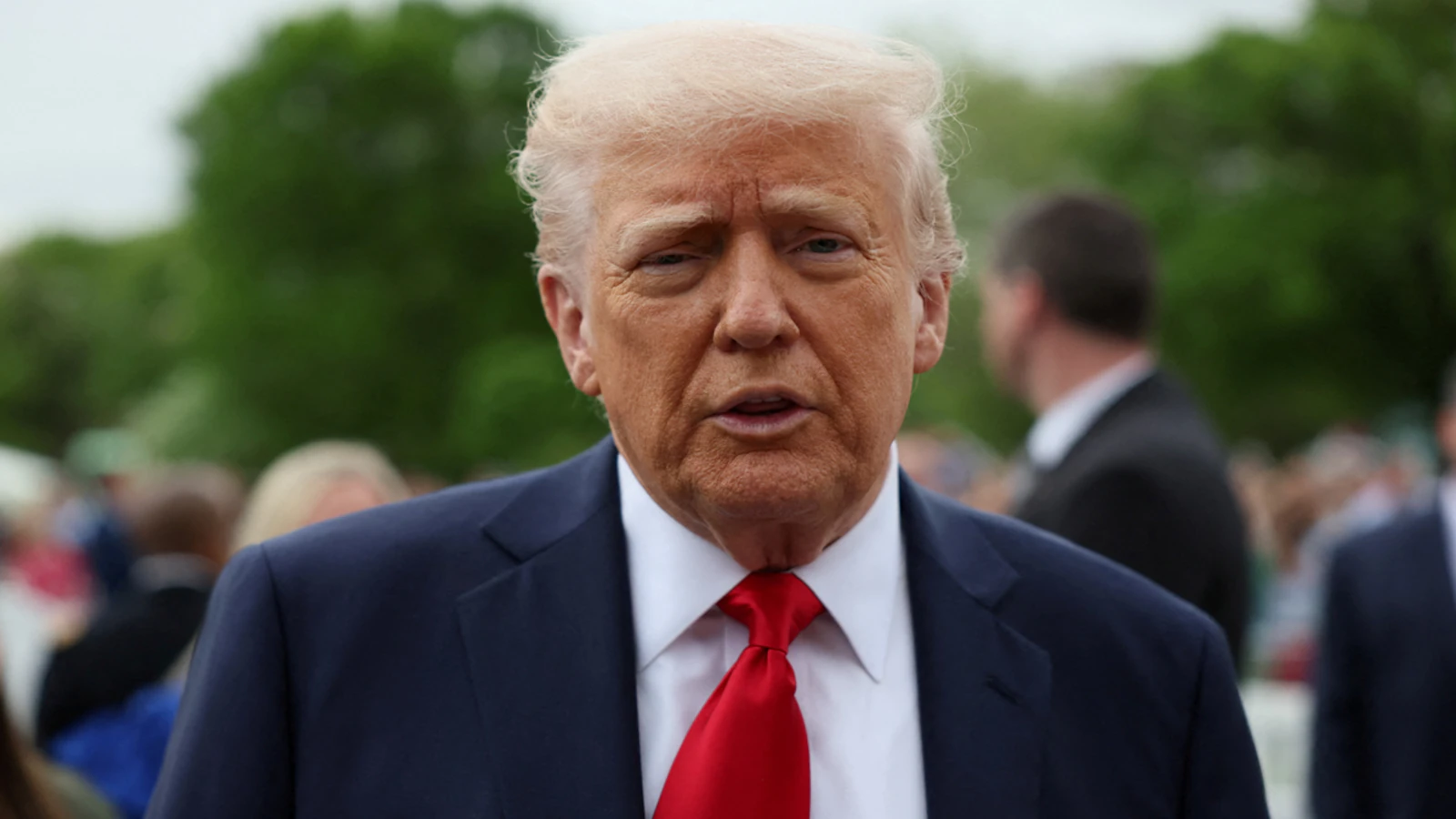
During the former president’s scheduled trip to Riyadh in May 2024, the Trump administration is reportedly ready to announce a historic arms deal with Saudi Arabia valued at over $100 billion. Top U.S. defense companies, including Lockheed Martin, RTX Corp (formerly Raytheon), Boeing, Northrop Grumman, and General Atomics, are involved in the deal, which, according to a Reuters exclusive, marks a resurgence of Washington’s strategic and commercial ties with the Gulf powerhouse. The agreement, which covers cutting-edge transport planes, missile systems, and radar technology, comes as Saudi Arabia continues its military modernization campaign and U.S.-China competition heats up. The details, motivations, and discussions surrounding the proposed agreement are examined in this article, along with its effects on Middle Eastern stability, global arms dynamics, and America’s moral standing.
The Deal’s Blueprint: What’s in the $100 Billion Package?
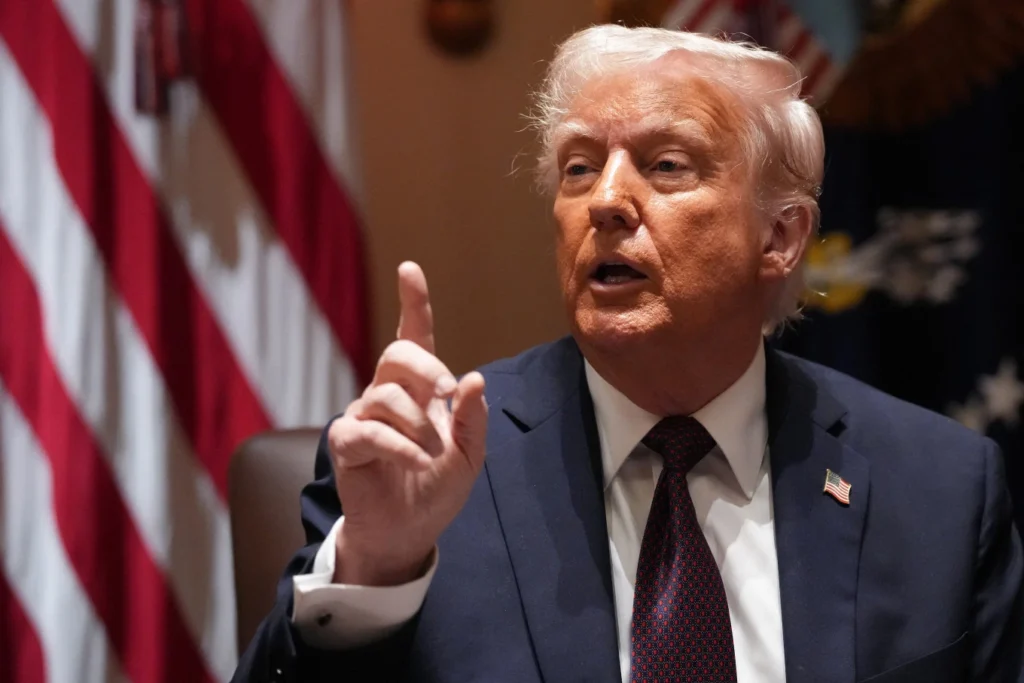
The proposed agreement includes a variety of state-of-the-art defense systems that are suited to Saudi Arabia’s security priorities, according to Reuters’ sources:
- Lockheed Martin: C-130J Super Hercules transport aircraft to enhance Saudi logistics and rapid deployment capabilities.
- RTX Corp: Advanced missile systems, likely including Patriot air defense batteries and precision-guided munitions.
- Boeing: Potential sales of F-15EX fighter jets, though specifics remain undisclosed.
- Northrop Grumman: Integrated radar and surveillance technology to bolster Saudi airspace monitoring.
- General Atomics: MQ-9B SeaGuardian drones for intelligence, reconnaissance, and maritime security.
The deal expands on Trump’s $110 billion arms pledge to Riyadh in 2017, which largely stalled under Biden because of human rights issues. This comeback highlights the U.S. defense industry’s desire to land long-term contracts and Saudi Arabia’s position as the world’s biggest importer of munitions.
Geopolitical Chess: Countering China and Securing the Gulf
Washington’s haste to thwart Beijing’s expanding influence in the Middle East is evident in the agreement. Through tech investments, energy partnerships, and arms sales—including its contentious drone technology supply—China has strengthened its ties with Saudi Arabia. The United States seeks to strengthen military cooperation to:
- Solidify Saudi Dependence: Ensure Riyadh remains tethered to U.S. systems, complicating China’s ability to dominate defense markets.
- Strengthen Regional Alliances: Cement a united front against Iran, which has expanded its influence in Yemen, Syria, and Lebanon.
- Leverage Energy Security: With Saudi oil production pivotal to global markets, the U.S. seeks to align Riyadh’s security strategy with Western interests.
Under Vision 2030, Saudi Crown Prince Mohammed bin Salman (MBS) has prioritized military self-sufficiency while simultaneously pursuing diversification. But because of the kingdom’s continued heavy reliance on imported hardware, American technology is essential.
U.S.-Saudi Relations: From Trump to Biden and Back?
In stark contrast to Biden’s initially icy posture, Trump has resumed his courtship of Riyadh. In 2021, in response to the murder of Jamal Khashoggi and the humanitarian crisis in Yemen, Biden banned the sale of offensive weapons and labeled Saudi Arabia a “pariah.” But realpolitik quickly won out, as evidenced by Biden’s request for increases in Saudi oil production in 2022 to make up for the disruptions caused by the conflict between Russia and Ukraine.
With a focus on job creation—defense contractors employ more than 2.5 million Americans—Trump’s deal might rekindle a transactional partnership and appeal to his base. However, detractors contend that it could strengthen MBS’s autocratic government.
Economic Windfall or Moral Failure? The Domestic Divide
Proponents highlight the deal’s economic benefits:
- Jobs: Contracts could sustain thousands of manufacturing and engineering roles across states like Texas (Lockheed) and Arizona (Raytheon).
- Innovation: R&D investments spurred by defense contracts often yield civilian tech spin-offs.
Human rights activists, on the other hand, denounce the action. According to Sunjeev Bery of Democracy for the Arab World Now (DAWN), “arming Saudi Arabia directly fuels the humanitarian disaster in Yemen.” Since 2015, the Saudi-led coalition’s campaign in Yemen, supported by American weapons, has claimed over 377,000 lives, 70% of them civilians. Citing precedent, lawmakers like Rep. Ilhan Omar (D-MN) promise to stop the sale: Resolutions to stop emergency arms transfers to Riyadh were passed by bipartisan majorities in 2019 but were later vetoed by Trump.
Strategic Implications: Escalation or Deterrence?
Supporters of the agreement contend that cutting-edge American systems could stabilize the area by discouraging Houthi missile attacks and Iranian aggression. Skeptics caution about unforeseen consequences, though:
- Regional Arms Race: Rival Gulf states like Qatar and the UAE may seek comparable upgrades, further militarizing the Middle East.
- Empowering Autocracy: Enhanced Saudi capabilities could suppress domestic dissent and escalate interventions in Yemen or beyond.
- China’s Counterplay: Beijing might respond by expanding arms partnerships with Iran or Pakistan, undermining U.S. objectives.
A Deal Shadowed by Dilemmas
The conflict between strategic interests and moral responsibility is best exemplified by Trump’s $100 billion arms package to Saudi Arabia. It has the potential to strengthen American power in a disputed area and support the defense sector, but it also runs the risk of escalating cycles of authoritarianism and violence. The world is watching to see if Washington will put profit ahead of principles or find a middle ground that strikes a balance between power and humanity as Congress gets ready for a heated debate.
The agreement highlights Saudi Arabia’s importance in international power struggles. In a time of great-power competition, it serves as a barometer for the United States’ foreign policy priorities. Additionally, it might be the difference between war and peace for Yemeni citizens.
Click Here to subscribe to our newsletters and get the latest updates directly to your inbox.