
US Calls for Restraint: Navigating India-Pakistan Tensions After Pahalgam Terror Attack
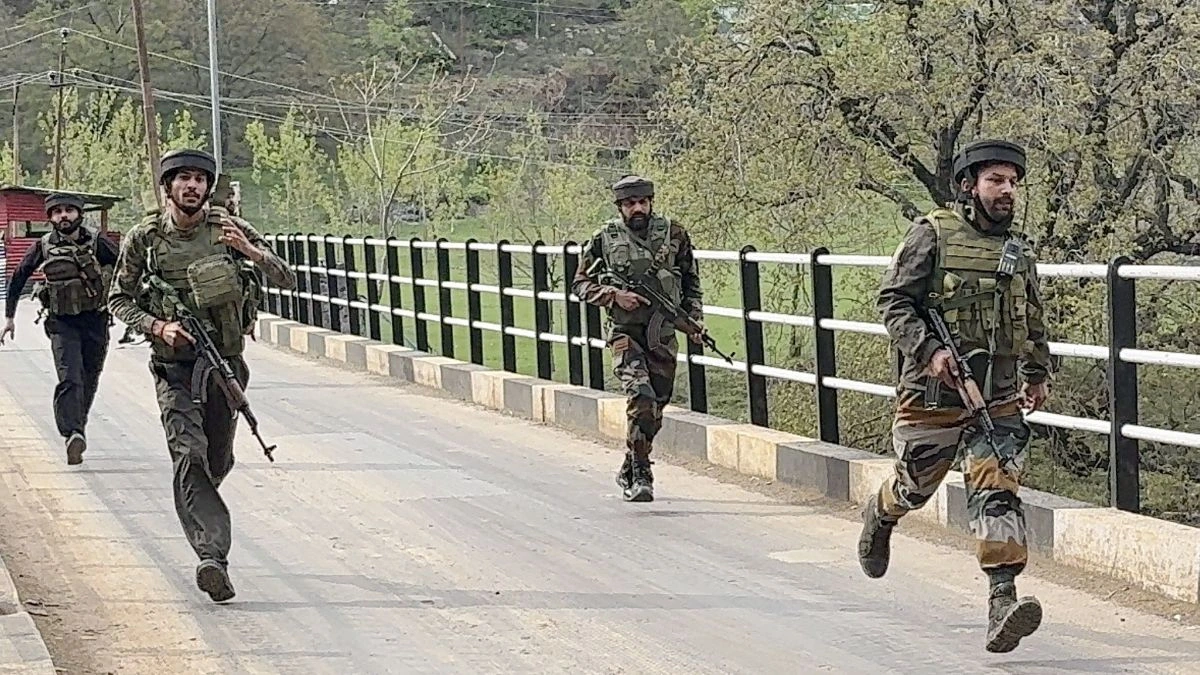
The peaceful valleys of Pahalgam, a scenic resort town in Indian-held Kashmir, were disrupted by violence on April 22, 2024, when assailants attacked a group of tourists, killing 26 civilians and wounding dozens. The attack, which was attributed to the militant outfit The Resistance Front (TRF), has fanned long-burning tensions between India and Pakistan, with the United States summoning both countries to seek a “responsible solution” to avert further escalation. With the world watching closely, the attack highlights the volatile security situation of Kashmir and the ever-present problem of diplomacy in a region marked by historical disputes and cross-border terrorism.
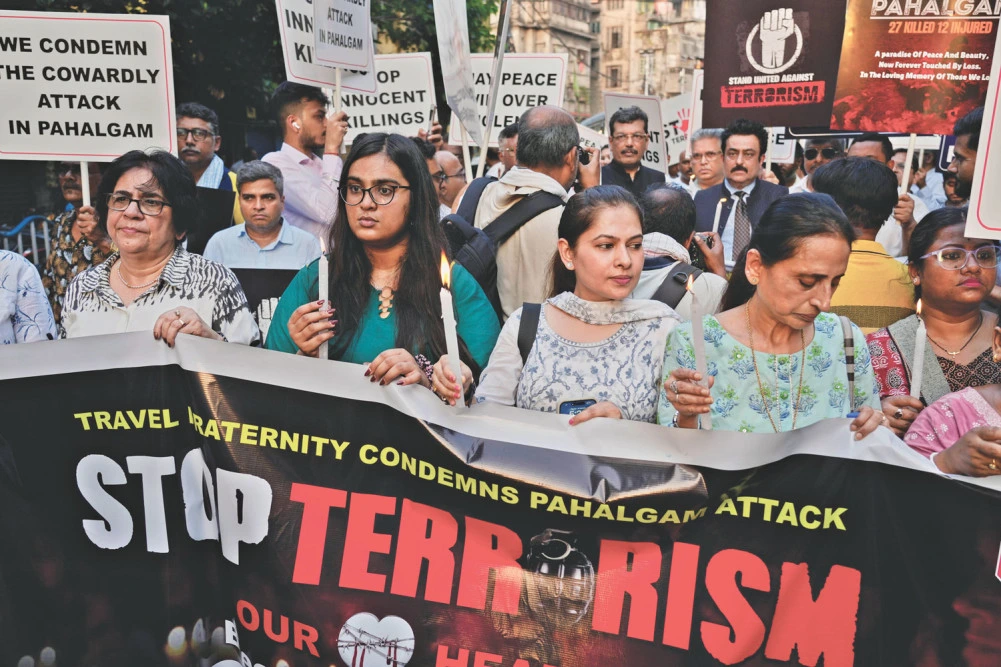
The Pahalgam Attack: A Grim Reminder of Kashmir’s Volatility
The Pahalgam attack is among the most lethal civilian attacks in Kashmir in recent years. Pahalgam is famous for its green meadows and pilgrimage trails, and its position as a tourist destination made it a surprise target. The TRF, a shadowy organization blamed for ties to Pakistan-based Lashkar-e-Taiba (LeT), quickly asserted responsibility in the name of fighting Indian occupation. Indian authorities have blamed Islamabad for extending logistical and ideological support to similar groups for years—charges denied by Islamabad.
The attack has intensified concerns of renewed violence in Kashmir, a disputed region since 1947. India’s 2019 abrogation of Jammu and Kashmir’s semi-autonomous status under Article 370 heightened tensions, leading Pakistan to downgrade diplomatic relations. For Kashmiris, the militancy-military crackdown-civilian suffering cycle continues, with attacks such as Pahalgam further destabilizing attempts at normalcy.
US Stance: Advocacy for Restraint and Dialogue
The United States State Department, in its statement after the attack, exercised careful wording when it called on restraint. In a statement, a spokesperson confirmed Washington’s “close monitoring” of the affair and confirmed meetings with both governments “at various levels.” Short of blaming anybody, the statement by the United States calling for a “responsible solution” indicates worry regarding possible military or diplomatic retribution.
Historically, America has treaded a tight rope in South Asia, juggling strategic relations with India and counterterrorism cooperation with Pakistan. Under the Biden presidency, the priorities have turned to strengthening India as a counterbalancing force to China, complicating its status as a mediator. The Pahalgam attack highlights, however, the dangers of unrestrained hostilities between two nuclear-armed neighbors, forcing America to push for dialogue even while having limited leverage.
India-Pakistan Relations: A History of Mistrust
The Pahalgam attack is the newest flashpoint in a long-standing feud. India and Pakistan have been at war over Kashmir three times since partition in 1947, with intermittent skirmishes along the Line of Control (LoC) and frequent allegations of proxy war. India’s position portrays Pakistan as a state sponsor of terrorism, while Pakistan denounces India’s heavy-handed rule in Kashmir and alleged human rights violations.
The 2019 Pulwama attack that killed 40 Indian security personnel and resulted in aerial exchanges is a classic example of how fast crises can snowball. After Pahalgam, India’s government is under domestic pressure to act strongly, while Pakistan’s leadership, struggling with economic instability, will be further isolated if associated with militancy.
The Shadow of Cross-Border Terrorism
Organizations such as LeT and Jaish-e-Mohammed (JeM) continue to be at the core of the Kashmir conflict. Sanctioned as terror organizations by the UN and U.S., these organizations use local grievances to legitimize violence. The TRF’s entry in 2020, as a “homegrown” outfit, is interpreted by India as an attempt at rebranding by Pakistan-based elements to circumvent criticism—a claim supported by intelligence inputs associating TRF operatives with LeT.
Pakistan, in turn, denies any involvement and cites its own counterterror efforts, such as Financial Action Task Force (FATF)-mandated reforms. But doubts remain, with India and its allies complaining about selective crackdowns in Islamabad. The Pahalgam attack intensifies demands that Pakistan dismantle militant networks based there.
Pathways to Peace: Is a Responsible Solution Possible?
De-escalation hinges on several factors:
- Diplomatic Engagement: Renewed backchannel talks, as seen in 2021, could ease tensions. Both nations must revive communication channels frozen since 2019.
- Counterterrorism Cooperation: Intelligence sharing and joint mechanisms to combat militancy, though politically fraught, are critical.
- International Mediation: While India rejects third-party involvement, neutral actors like the U.S. or UAE could facilitate discreet dialogue.
- Economic Incentives: Pakistan’s economic crisis might incentivize peace to access international aid, while India could benefit from stabilizing trade routes.
However, domestic politics loom large. Indian Prime Minister Narendra Modi’s government, eyeing reelection, may prioritize a strong security stance. Conversely, Pakistan’s military establishment, a key political player, faces pressure to project strength.
The Imperative of Sustained Diplomacy
The Pahalgam attack is a grim reminder of the cost in human lives of unresolved conflicts. For America, calling for restraint is not merely a matter of regional stability but avoiding a crisis with international implications. India and Pakistan, though having deep-seated animosities, have a responsibility to avoid catastrophe.
Though the road to peace is fraught, experience teaches that dialogue, no matter how incremental, is the only feasible option. The global community needs to support humanitarian interventions in Kashmir and put pressure on both countries to address underlying causes of militancy—marginalization, governance deficits, and impunity. As the U.S. walks its fine line, the hope is that tragedy can spur movement toward a more secure, stable South Asia.
Click here to subscribe to our newsletters and get the latest updates directly to your inbox.