
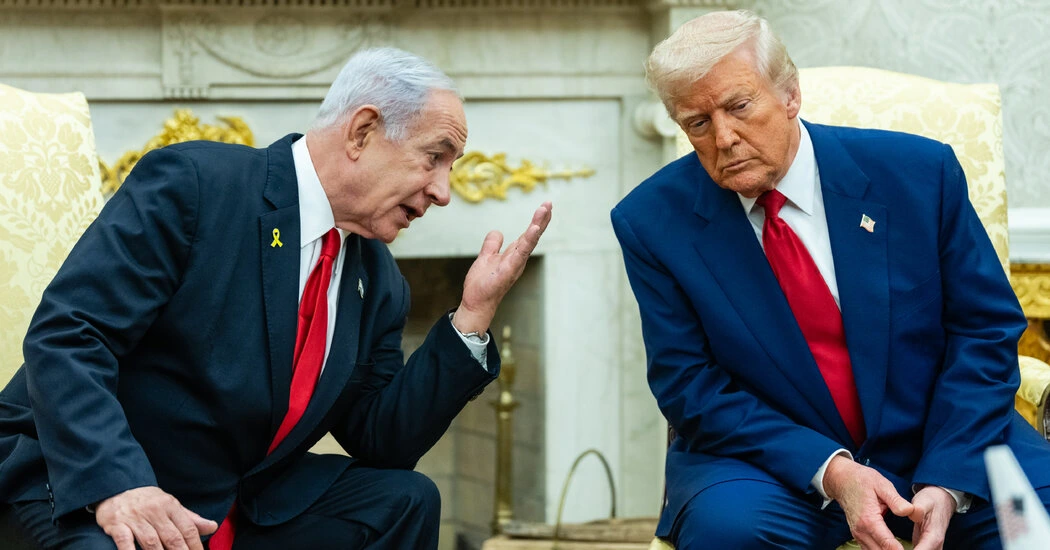
Israeli Minister Dermer’s Confidence in Trump’s Stance on Iran: A Deep Dive into Geopolitical Implications
At a recent conference organized by the Jewish News Syndicate (JNS) in Jerusalem, Israeli Strategic Affairs Minister Ron Dermer dominated headlines after he voiced absolute faith in former U.S. President Donald Trump’s strategy toward Iran. “I have a lot of confidence that President Trump would walk away from a bad deal today,” Dermer said, re-igniting discussions about the future of nuclear talks with Tehran. This statement is made in the context of stalled attempts by the Biden administration to restore the 2015 Joint Comprehensive Plan of Action (JCPOA), which Trump pulled out of in 2018. Dermer’s words reflect Israel’s longstanding fears regarding Iran’s nuclear ambitions and its desire for a hardline U.S. approach. This blog discusses his words’ background, implications, and regional stakes.
The JCPOA and Trump’s Withdrawal
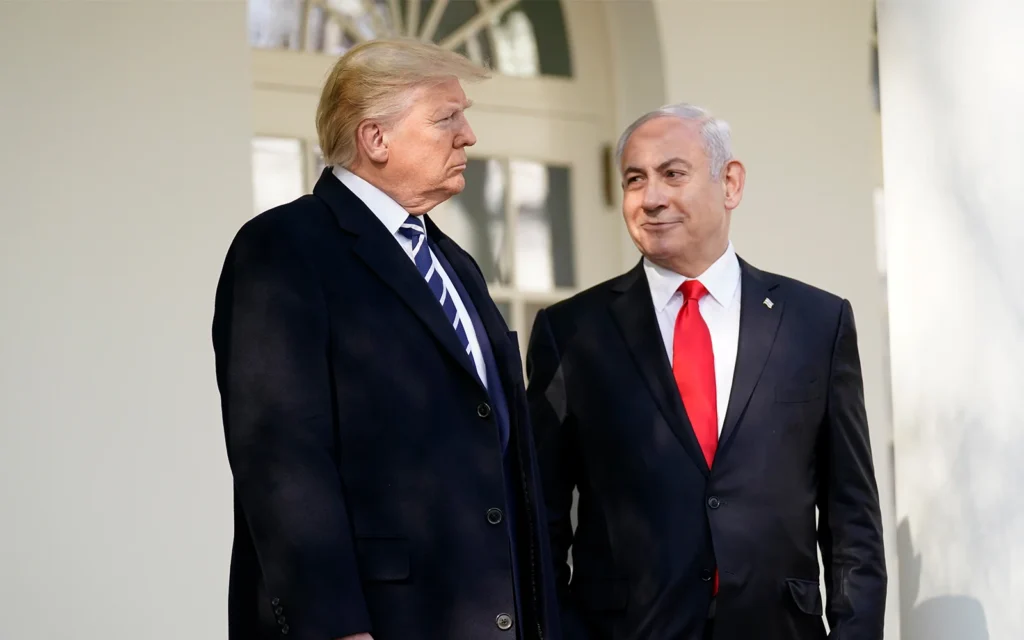
The JCPOA, reached through negotiations under the Obama administration, was designed to limit Iran’s nuclear activities in return for sanction relief. Israel and Trump were among those who criticized it as flawed, pointing to “sunset clauses” that would permit Iran to restart enriched uranium production after 2030 and not dealing with its ballistic missile program or regional proxy wars. Trump pulled the U.S. out of the agreement in May 2018, reimposing devastating sanctions through a “maximum pressure” campaign. This step pleased Israeli Prime Minister Benjamin Netanyahu, who himself had long referred to the JCPOA as “a historic mistake.”
Israel’s Opposition to the Iran Deal
Israel perceives an Iranian nuclear weapon as an existential threat, invoking Tehran’s denunciations of Israel’s annihilation and backing for proxies such as Hezbollah and Hamas. Israel’s government has repeatedly insisted on a “longer, stronger” agreement that permanently limits Iran’s nuclear capabilities and restricts its influence in the region. Dermer, a Netanyahu close ally and erstwhile Israeli ambassador to the United States, has been an ardent champion of coordinating U.S.-Israel policies toward Iran. His latest statements indicate Israel’s wariness of the Biden administration’s diplomatic moves, which they believe might recreate what they perceive as the JCPOA’s flaws.
Current State of Negotiations Under Biden
Since assuming office, President Biden has attempted to restore the JCPOA, negotiating indirectly with Iran using European intermediaries. Progress has been slowed by Tehran’s insistence on promised sanctions relief and the U.S.’s insistence on tighter nuclear limits. In the meantime, Iran has increased enrichment of uranium to 60% purity—close to weapons-grade levels—and limited International Atomic Energy Agency (IAEA) monitoring. The deadlock has left the agreement hanging in the balance, with Israel calling on the West to use economic pressure instead of concessions.
Dermer’s Comments: Political Posturing or Strategic Insight?
Dermer’s claim that Trump would spurn a “bad” deal today is full of geopolitical subtlety. Although Trump is out of office, his power continues to be felt in Republican circles, and he is still a possible 2024 presidential candidate. By invoking Trump’s legacy, Dermer might be suggesting Israel’s hope for renewed U.S. firmness, either through Biden taking a harder line or waiting for a future Trump comeback. His remark is also an indirect criticism of the existing administration’s strategy that Israel is concerned could elevate diplomacy over security.
Defining a ‘Bad Deal’: Israel’s Red Lines
For Israel, a “bad” deal includes any agreement that:
- Fails to Address Sunset Clauses: Allowing Iran to resume high-level enrichment after a decade.
- Ignores Regional Aggression: Neglecting Iran’s proxy wars and missile development.
- Offers Premature Sanctions Relief: Granting economic reprieves before verifiable compliance.
Dermer’s remarks align with Netanyahu’s recent warnings that Israel “will not be bound” by a renewed JCPOA, hinting at potential unilateral action against Iranian facilities.
U.S. Politics and Trump’s Shadow
Dermer’s claim that Trump would spurn a “bad” deal today is full of geopolitical subtlety. Although Trump is out of office, his power continues to be felt in Republican circles, and he is still a possible 2024 presidential candidate. By invoking Trump’s legacy, Dermer might be suggesting Israel’s hope for renewed U.S. firmness, either through Biden taking a harder line or waiting for a future Trump comeback. His remark is also an indirect criticism of the existing administration’s strategy that Israel is concerned could elevate diplomacy over security.
Regional Security Concerns
Beyond nuclear issues, Israel fears sanctions relief would empower Iran’s Revolutionary Guards and proxies, destabilizing the Middle East. Recent Iranian drone sales to Russia and attacks on Gulf shipping lanes underscore these anxieties. A weaker deal, Israel argues, could trigger a regional arms race, with Saudi Arabia and others seeking nuclear capabilities.
The Road Ahead
Dermer’s confidence in Trump’s approach reflects Israel’s broader strategy: leveraging U.S. political shifts to shape Iran policy. While Biden faces pressure to prevent a nuclear crisis, his administration must balance allies’ concerns with pragmatic diplomacy. As talks remain deadlocked, the specter of military action—by Israel or a U.S.-led coalition—looms larger. Ultimately, Dermer’s statement is a reminder that in the high-stakes game of Middle Eastern geopolitics, trust in deals is scarce, and the shadow of past policies endures.
Click here to subscribe to our newsletters and get the latest updates directly to your inbox.