
Trump, Tariffs, and Amazon: A ‘Good Call’ with Jeff Bezos Amid Pricing Policy Controversy
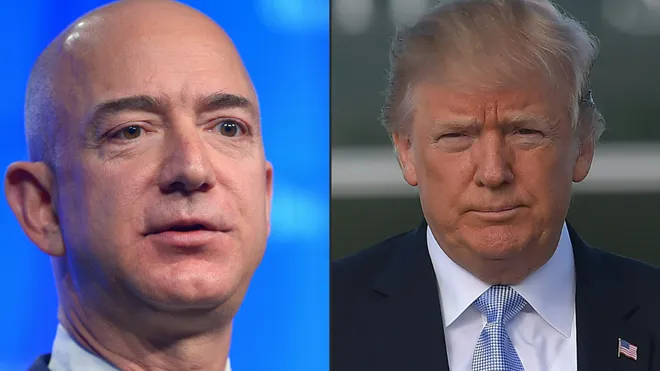
In a bizarre turn that mixes tech, politics, and commerce, former President Donald Trump told reporters that he had a “good call” with Amazon’s founder, Jeff Bezos, about an Amazon plan, which was considered contentious, to show tariff-connected price breakdowns on its platform. The call followed news last week that Amazon was mulling itemizing tariffs—a step which could have politicized prices and raised public furor over the impact of trade policy.
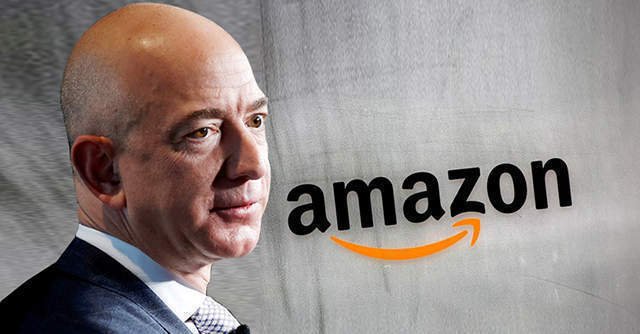
Though Amazon subsequently explained that the tariff display was unique to its Amazon Haul website—a low-cost e-commerce operation set up to rival Shein and Temu—the incident launched a more extensive debate about openness in international trade, corporate politics, and Trump’s continued grip on economic and political rhetoric.
The Amazon Tariff Display Controversy
Earlier this week, Punchbowl News broke the news that Amazon was getting ready to roll out a new pricing feature on some products. The feature would clearly distinguish between the base price of the product and the tariff cost added on top, so consumers can see how much of the price is a result of U.S. import duties, many of which were enacted during Trump’s presidency.
This provoked quick responses. Critics viewed it as an action that could politically put the price of Trump-era tariffs, particularly on Chinese goods, in the spotlight. Tariff policy supporters, meanwhile, viewed the transparency as having the possibility of being misleading or manipulative and presented tariffs as being an unfair expense to consumers instead of a means of safeguarding domestic industries.
Trump’s Reaction and the “Good Call” with Bezos
Donald Trump, never one to shy away from economic and media narratives, reacted quickly. Speaking to the press, Trump mentioned he had a “very good call” with Jeff Bezos, the founder and former CEO of Amazon and current Executive Chairman.
While neither party disclosed the full details of the conversation, Trump said:
“We had a good talk. He understood my position. Tariffs are a tool to protect American workers, not to be politicized.”
The tone of the statement was notably diplomatic, given the historically tense relationship between Trump and Bezos—often strained by Trump’s criticism of The Washington Post (owned by Bezos) and Amazon’s business practices.
This apparent thaw in tone signals a strategic shift in narrative for both Trump and Bezos in a politically sensitive year.
Amazon’s Clarification: It’s About Amazon Haul
Responding to the public stir, Amazon issued a clarification. The company explained that the tariff breakdown was not being introduced across its main marketplace but was part of Amazon Haul, a low-cost shopping platform introduced to rival Chinese-based giants like Shein and Temu.
According to Amazon:
“We were simply testing a way to itemize tariff costs on Amazon Haul to help customers understand pricing on low-cost imported goods.”
In other words, the initiative was experimental and platform-specific, not a political statement. Still, the fact that such pricing details were being made visible struck a nerve in a country still divided over globalization and domestic job security.
Why Tariffs Are Still a Political Lightning Rod
The topic of tariffs has remained contentious long after Trump left office. Under his administration, tariffs were used as a blunt-force economic tool to target imports from China, Europe, and others—often bypassing traditional diplomacy in favor of economic nationalism.
These tariffs:
- Raised the cost of imported goods.
- Pressured foreign governments to re-negotiate trade deals.
- Were politically framed as protection for American workers.
Critics argued they led to price hikes for U.S. consumers and retaliatory tariffs on American exports, especially in agriculture.
Amazon’s decision to potentially highlight tariffs at the point of sale could be seen as drawing attention to those costs, reopening the debate on whether tariffs helped or harmed the average consumer.
Bezos, Politics, and Image Management
Jeff Bezos has typically stayed out of direct political maneuvering, but Amazon is no stranger to regulatory and reputational risks. The company has faced:
- Accusations of anti-competitive practices.
- Criticism over labor policies.
- Scrutiny over its tax strategies.
Maintaining a cordial relationship with influential political figures, including Trump, even post-presidency, is a smart move for a company that wants to minimize regulatory headaches. The “good call” may be a sign that Bezos is trying to rebuild bridges with both sides of the political aisle—something crucial for Amazon’s long-term ambitions in defense contracts, cloud services, and global logistics.
Implications for the E-Commerce Industry
The incident also raises a key question: Should e-commerce platforms itemize tariffs and other economic costs?
There are two schools of thought:
- Pro-Transparency Advocates argue that consumers deserve to know what they’re paying for, especially in an age of inflation and economic anxiety.
- Business and Policy Traditionalists suggest that too much transparency can create confusion or unintended political consequences, especially if the information lacks context.
For Amazon, navigating this line is critical. Competing with platforms like Temu and Shein means delivering low prices with clarity, while also avoiding political firestorms.
Looking Ahead: Trade, Tech, and Politics in 2024 and Beyond
With the 2024 U.S. presidential election looming, every corporate decision—especially from giants like Amazon—is being scrutinized through a political lens.
Whether it’s data privacy, antitrust issues, labor laws, or trade policy, big tech firms are increasingly becoming central players in the political narrative. The tariff-pricing controversy may fade, but the underlying tensions will persist.
Expect:
- More debate on tariff reform from both Republican and Democratic candidates.
- Renewed calls for tech regulation and oversight.
- Greater public interest in corporate transparency and global pricing mechanisms.
A Small Feature with Big Implications
What began as a modest price feature on a low-cost e-commerce website soon became a lightning rod for the intersection of tech innovation and political ideology. That Donald Trump and Jeff Bezos, a pair with a contentious past, both agreed on a “good call” regarding the issue demonstrates how entwined the spheres of politics and commerce have become.
As international trade continues to redefine, and as sites such as Amazon increase their scope and power, even small shifts in user experience can become significant indicators in the ongoing struggle between capitalism, transparency, and national policy.
Click here to subscribe to our newsletters and get the latest updates directly to your inbox.