
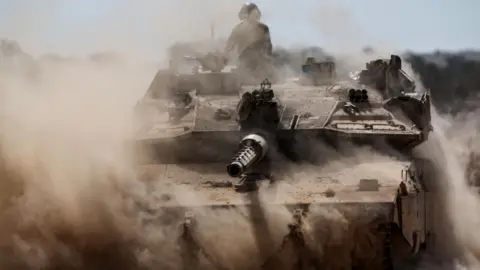
Israel Calls Up 60,000 Army Reservists Ahead of Planned Gaza City Offensive
Israel is preparing for what could be a significant escalation in its military operations in Gaza City, as reports indicate that the country plans to launch an expanded offensive in the coming days. This move comes amid ongoing ceasefire talks in Cairo, which aim to bring an end to the conflict that has now lasted 22 months, according to the Associated Press.
The conflict has already had devastating effects on the region, and the prospect of a new phase of operations in Gaza City raises concerns about further humanitarian consequences. The densely populated neighborhoods of Gaza, where civilians are concentrated, are likely to be deeply affected, adding urgency to the diplomatic efforts underway.
Military Preparations in Gaza
The Israeli military announced on Wednesday that Defence Minister Yoav Gallant has approved plans for a new stage of operations in some of Gaza’s most densely populated areas. This marks a shift from previous phases of the campaign, signaling that Israel may aim to exert more control over strategic neighborhoods and key points in Gaza City.
As part of this operational buildup, Israel will call up 60,000 reservists to reinforce its forces. In addition, the military will extend the service of another 20,000 soldiers who are already deployed. This is a significant mobilization, reflecting the scale and seriousness of the planned offensive.
The inclusion of reservists highlights the depth of Israel’s military resources and its readiness to escalate operations if necessary. It also underscores the challenges of conducting operations in urban environments, where the risk to both soldiers and civilians is high.
Context of Ceasefire Talks
While Israel prepares for intensified military action, ceasefire negotiations continue in Cairo. These talks are part of ongoing efforts to end a war that has lasted nearly two years. The 22-month conflict has caused extensive damage to infrastructure, displacement of civilians, and a growing humanitarian crisis.
Diplomatic efforts, including those led in Cairo, aim to find a sustainable resolution to hostilities. However, the simultaneous planning of a major military operation raises questions about the likelihood of an immediate breakthrough. Observers note that while talks continue, both sides may be preparing for further escalation, balancing negotiations with strategic military planning.
Humanitarian Concerns
The areas targeted in Gaza City are densely populated, which raises significant humanitarian concerns. Urban warfare in such environments is complex, as civilians, residential buildings, schools, and hospitals are all located in close proximity.
International organizations have repeatedly highlighted the need to protect civilians in conflict zones. The potential for casualties and destruction in the planned offensive could exacerbate the ongoing humanitarian crisis, placing additional strain on medical facilities and relief agencies operating in Gaza.
The international community continues to call for restraint and adherence to international humanitarian law, urging all parties to prioritize the safety of civilians while addressing security objectives.
Strategic Implications
The mobilization of 60,000 reservists and the extension of service for 20,000 more troops indicate that Israel is preparing for a potentially prolonged and intense operation. Military analysts suggest that the size of the deployment reflects both operational necessity and the complex nature of urban warfare.
Gaza City’s densely packed neighborhoods present unique tactical challenges. Combat in urban areas typically requires careful coordination, precision, and significant manpower to minimize risks to soldiers while achieving strategic objectives. The deployment of reservists ensures that Israel has the personnel necessary to sustain operations over an extended period.
Political and Regional Impact
The upcoming offensive and ongoing ceasefire talks carry significant political implications for Israel and the broader region. For Israel, successfully conducting operations in Gaza may be seen as a demonstration of military strength and a response to ongoing security threats.
For Palestinians, the escalation raises concerns about civilian safety and the potential for further displacement. Neighboring countries and international actors closely monitor developments, as escalation in Gaza has historically affected regional stability, including border security and refugee flows.
The timing of the offensive, coinciding with diplomatic negotiations in Cairo, reflects the delicate balance between military strategy and political pressure. Both Israel and Palestinian factions may use military posturing as leverage in talks, though the human cost remains a critical concern.
The Role of the Media
Reports from outlets like the Associated Press play a key role in providing accurate, timely information about the conflict. As Israel prepares for its planned operations, media coverage helps the international community understand both the scale of military mobilization and the potential consequences for civilians.
Reliable reporting ensures that global observers, governments, and humanitarian organizations can respond appropriately, coordinate relief efforts, and advocate for civilian protection. In conflict zones, media coverage often shapes international opinion and influences diplomatic engagement.
Looking Ahead
The next few days will be critical in determining the course of the conflict in Gaza. Israel’s decision to call up 60,000 reservists and extend the service of 20,000 active troops suggests that the military is ready to escalate operations if necessary.
Simultaneously, the ceasefire talks in Cairo represent the ongoing search for a peaceful resolution. The juxtaposition of diplomacy and military planning illustrates the complexity of modern conflicts, where negotiation and strategy often occur in parallel.
Analysts stress that the situation remains fluid. While diplomatic efforts aim to prevent further bloodshed, the preparation for intensified operations indicates that both sides are preparing for all possible scenarios. The coming days will be pivotal in determining whether Gaza City experiences a brief period of calm or faces a new phase of intense conflict.
Israel’s Military Mobilization and Gaza Conflict Outlook
Israel’s plan to launch an expanded military operation in Gaza City, accompanied by the call-up of 60,000 reservists and the extension of 20,000 soldiers’ service, reflects the intensity and seriousness of the ongoing conflict. While ceasefire talks in Cairo aim to bring an end to 22 months of war, the preparation for a large-scale offensive highlights the challenges of achieving peace amid complex security concerns.
The human cost of operations in densely populated neighborhoods remains a major concern, emphasizing the need for caution, precise planning, and adherence to international humanitarian standards. For the international community, the focus must remain on protecting civilians while supporting diplomatic efforts to resolve the conflict.
Ultimately, the situation underscores the delicate balance between military strategy and diplomacy, reminding all parties that the path to lasting peace requires negotiation, restraint, and consideration of humanitarian consequences.
Follow us for more news at Valleynewz.com