
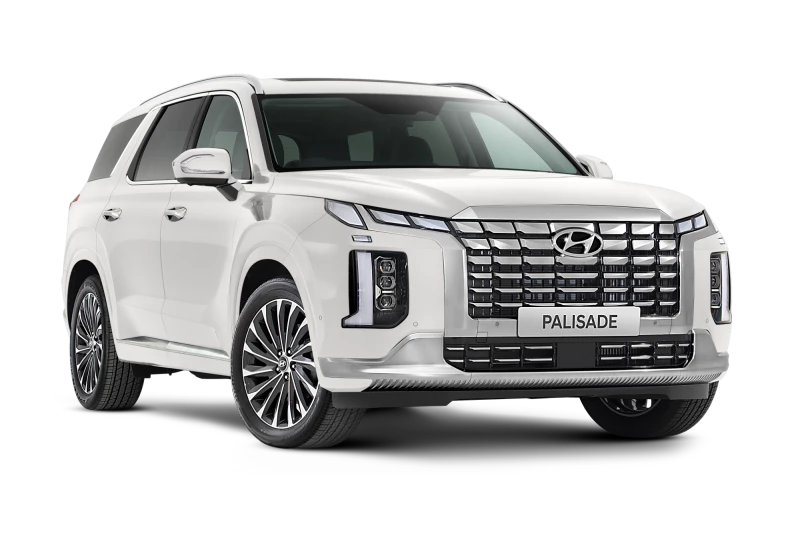
Hyundai Recalls Over Half a Million Palisade SUVs in the US Over Airbag Safety Risk
Hyundai Motor has announced a major safety recall in the United States, pulling back more than 568,000 Hyundai Palisade SUVs after regulators identified a potential defect related to airbag deployment. The recall, issued in coordination with the National Highway Traffic Safety Administration, raises concerns about whether side curtain airbags may deploy correctly during a crash—particularly for passengers seated in the third row.
The move once again highlights how even established automakers continue to grapple with complex safety systems as vehicles become more technologically sophisticated.
What Triggered the Recall
According to a notice published by the NHTSA, the issue involves side curtain airbags that may not deploy as intended in certain types of crashes. These airbags are designed to provide critical head protection, especially during side-impact or rollover accidents.
The defect affects select Hyundai Palisade models sold between 2020 and 2025, covering a large portion of the vehicle’s lifecycle since its launch. Regulators flagged the problem during safety evaluations, prompting Hyundai to initiate a voluntary recall before any widespread incidents were reported.
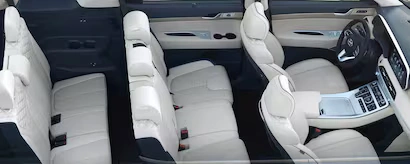
While no fatalities linked directly to the issue have been confirmed so far, the potential risk was deemed serious enough to warrant immediate corrective action.
Why Side Curtain Airbags Matter
Side curtain airbags play a vital role in modern vehicle safety. Unlike front airbags, which protect drivers and front-seat passengers, curtain airbags extend along the side windows and are especially important for rear-seat occupants.
In the Palisade’s case, the concern centers on third-row passenger protection, an area that has received increasing scrutiny as large SUVs become family vehicles carrying more passengers.
If side curtain airbags fail to deploy properly, occupants face a higher risk of head and neck injuries during collisions—precisely the kind of outcome modern safety regulations aim to prevent.
The Role of Autoliv
Hyundai confirmed that the affected airbags were supplied by Autoliv, a Sweden-based company that is one of the world’s largest manufacturers of airbags and seatbelts.
Autoliv supplies safety systems to numerous global automakers, and its involvement does not necessarily indicate systemic failure. However, the recall underscores how supply-chain issues can affect multiple manufacturers and models.
Both Hyundai and Autoliv are reportedly working together to identify the root cause and implement a fix that meets regulatory standards.
What Hyundai Is Doing for Owners
Hyundai has said it will notify affected vehicle owners directly. The company will offer free inspections and repairs, which may include replacing or updating the side curtain airbag system.
Owners are advised not to panic but to respond promptly once they receive official recall notices. Hyundai dealerships will handle the repair process, and no charges will be passed on to customers.
As with most safety recalls, repairs could take time depending on parts availability and dealer capacity, especially given the large number of vehicles involved.
How the NHTSA Handles Recalls
The NHTSA plays a central role in monitoring vehicle safety in the US. When a potential defect is identified—either through manufacturer reporting, consumer complaints, or testing—the agency assesses whether it poses an unreasonable risk to safety.
In this case, the regulator concluded that improper airbag deployment could compromise passenger protection, prompting the recall. The NHTSA will continue to oversee Hyundai’s remediation efforts to ensure compliance.
Vehicle owners can also check their VIN numbers on the NHTSA website to see if their Palisade is affected.
Hyundai Palisade’s Popularity in the US
The Hyundai Palisade has been one of the brand’s most successful SUVs in the US market, praised for its spacious interior, comfort-focused design, and competitive pricing.
Its popularity among families makes the recall especially sensitive, as safety expectations are particularly high in this segment. Hyundai has generally scored well in safety ratings, making this recall a reputational challenge as well as a technical one.
Industry analysts note that how Hyundai manages the recall process could influence customer trust more than the defect itself.
A Broader Industry Issue
Airbag-related recalls are not unique to Hyundai. Over the past decade, the auto industry has faced multiple large-scale recalls linked to airbag failures, most notably the Takata crisis, which affected millions of vehicles across brands.
These incidents have led regulators to adopt stricter oversight and have pushed automakers to act faster when potential defects emerge. The Palisade recall reflects that more proactive approach, aiming to address risks before accidents occur.
What Owners Should Do Next
Owners of Hyundai Palisade SUVs from the affected model years should remain alert for official communication from Hyundai. In the meantime, checking recall status online and scheduling inspections early can help avoid delays.
While the vehicle remains drivable, safety experts generally advise addressing airbag-related recalls as soon as possible, given their role in crash protection.
Impact on Hyundai’s Brand and Market
Recalls of this scale inevitably attract attention, but they do not always translate into long-term damage. Automakers that respond transparently and efficiently often retain customer confidence.
Hyundai has invested heavily in positioning itself as a reliable, safety-conscious brand in the US. Industry observers say a smooth recall process—clear communication, quick repairs, and customer support—will be key to maintaining that image.
Looking Ahead
As vehicles become increasingly complex, with advanced safety systems and electronic integration, recalls are likely to remain a part of the automotive landscape. The challenge for manufacturers is to detect issues early and respond decisively.
For Hyundai, the Palisade recall is a reminder that safety innovation must be matched by rigorous quality control across global supply chains.
Click Here to subscribe to our newsletters and get the latest updates directly to your inbox.