
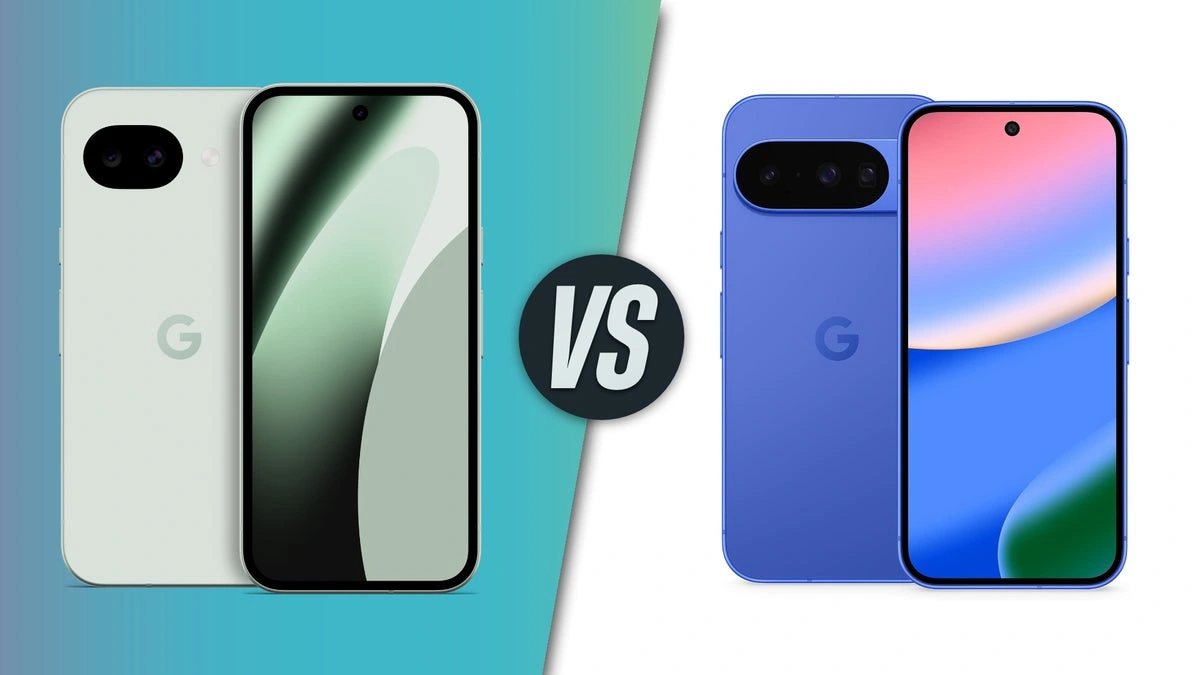
Google Pixel 10 vs Pixel 10a: Design, Display and Camera Differences Explained
Google’s Pixel smartphones have always been known for delivering a clean Android experience, reliable cameras and long software support. In recent years, the company has also made its flagship technology more accessible by offering affordable “A-series” devices that closely resemble the premium models.
In 2026, the difference between the Google Pixel 10 and Pixel 10a has become slightly more noticeable. While the Pixel 10 remains the flagship device with premium hardware and upgraded features, the Pixel 10a is designed to bring the core Pixel experience to a wider audience at a lower price.
Both phones share similar design language and software features, but there are important differences in materials, display quality, camera capabilities and overall performance. Understanding these differences helps buyers decide which model better suits their needs.
Design and Build Quality
At first glance, the Pixel 10 and Pixel 10a look very similar. Google has kept the familiar Pixel design language with a horizontal camera bar across the back of the device. This design has become a signature feature of Pixel phones in recent years.
However, the materials used in each phone reveal the difference in positioning.
The Pixel 10 uses more premium construction. It features Gorilla Glass Victus 2 on both the front and back, along with an aluminium frame that gives the phone a more refined and durable feel. The glossy finish and metallic frame make it look closer to other flagship smartphones on the market.
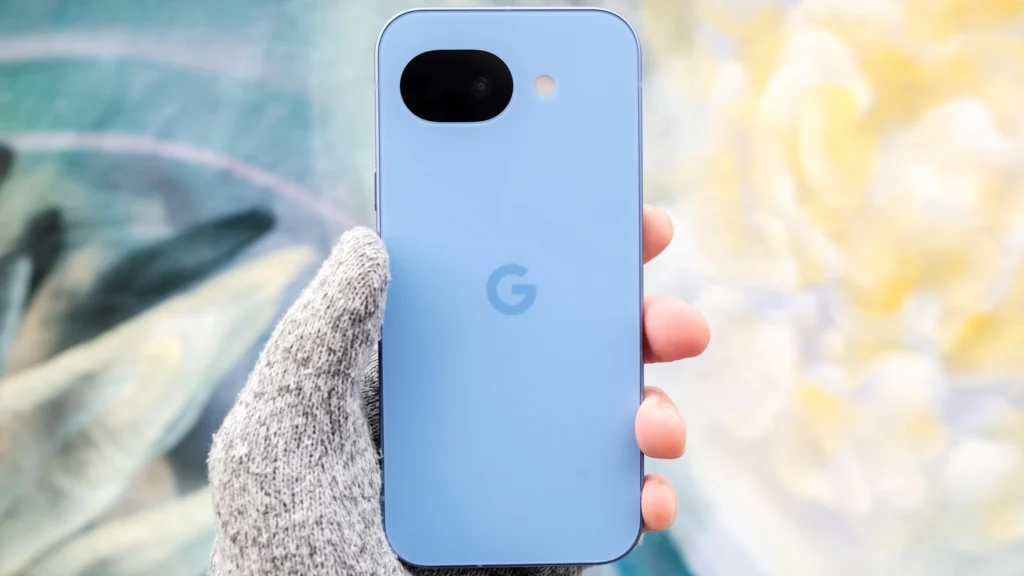
The Pixel 10a, on the other hand, adopts a simpler design approach. It uses a matte-finish plastic back panel and a less expensive frame material. This choice helps keep the price lower while still maintaining the overall Pixel aesthetic.
Another noticeable design detail is the camera module. The Pixel 10’s camera bar slightly protrudes from the back, while the Pixel 10a’s module sits more flush with the rear panel, creating a cleaner and more minimal appearance.
Although both phones look modern, the Pixel 10 clearly feels more premium in hand.
Display Technology and Visual Experience
Displays have become one of the most important factors when choosing a smartphone, and Google has made some distinctions between the two models.
The Pixel 10 features a higher-quality display designed to deliver a more immersive viewing experience. The phone is expected to use a high-resolution OLED panel with a higher refresh rate, likely around 120Hz. This allows smoother scrolling, improved gaming performance and more fluid animations across the interface.
Brightness levels are also expected to be higher on the flagship model, making the screen easier to view outdoors under strong sunlight.
The Pixel 10a still provides a good display for everyday use but with slightly reduced specifications. It likely includes an OLED panel with a 90Hz refresh rate, which is still smooth compared to standard 60Hz screens but not as fluid as the flagship version.
For everyday tasks such as browsing, watching videos or using social media, both displays perform well. However, users who prioritise visual quality, gaming performance or media consumption may prefer the Pixel 10.
Camera System: Google’s Biggest Strength
Camera performance has always been one of Google’s strongest advantages. Pixel phones are widely known for producing excellent photos thanks to advanced computational photography.
The Pixel 10 continues that tradition with upgraded camera hardware and improved image processing.
It is expected to feature a more advanced sensor capable of capturing better detail, especially in low-light conditions. The flagship model also benefits from enhanced AI-driven photography features that improve portrait shots, night photography and video stabilisation.
Additional camera capabilities such as improved zoom and advanced editing tools may also be exclusive to the Pixel 10.
The Pixel 10a retains Google’s signature camera quality but with slightly simpler hardware. It still delivers excellent images for its price category because Google’s image processing software plays a major role in final photo quality.
For most users who mainly take casual photos, the difference may not be dramatic. However, photography enthusiasts and content creators will likely appreciate the upgraded capabilities of the Pixel 10.
Performance and Hardware
The Pixel 10 is expected to include Google’s latest Tensor chipset, which is designed to improve performance and AI processing capabilities.
This new processor allows faster app performance, improved multitasking and enhanced AI features such as real-time translation, voice recognition and smart photo editing.
The Pixel 10a usually uses a slightly older or modified version of the same processor to keep costs lower while maintaining good overall performance.
For everyday tasks like messaging, browsing and streaming, both phones will feel smooth and responsive. However, the flagship Pixel 10 will likely handle demanding tasks such as gaming, heavy multitasking and video editing more efficiently.
Software Experience and Updates
One of the biggest advantages of buying a Pixel phone is the software experience. Both the Pixel 10 and Pixel 10a run pure Android, meaning there is no unnecessary bloatware or heavy customisation.
Google also provides some of the longest software support in the Android ecosystem. Users can expect multiple Android version updates along with several years of security patches.
Features such as Google Assistant integration, AI-powered photo editing, and system optimisation tools are available on both devices.
Although flagship models sometimes receive new AI features first, most core software capabilities eventually reach the A-series phones as well.
This means Pixel 10a users still receive a highly polished and secure smartphone experience.
Battery Life and Efficiency
Battery life is another important factor for smartphone buyers.
The Pixel 10 may include a slightly larger battery and more efficient power management thanks to its newer processor. Fast charging and possibly wireless charging support may also be available on the flagship model.
The Pixel 10a typically focuses on efficiency rather than high-end charging features. Its slightly lower-powered hardware often results in good battery life for everyday use.
For most users, both devices should comfortably last a full day on a single charge under normal usage conditions.
Pricing and Value
Pricing is where the biggest difference between the two phones becomes clear.
The Pixel 10 is positioned as a flagship device, meaning it comes with a higher price tag reflecting its premium materials, improved display and upgraded camera hardware.
The Pixel 10a is designed to deliver the Pixel experience at a more affordable price. By simplifying certain hardware elements, Google can offer the phone at a significantly lower cost.
For buyers who want the best Pixel features and build quality, the Pixel 10 may be the better choice. For those who prioritise value and still want a strong camera and clean Android experience, the Pixel 10a remains a compelling option.
Pixel 10 vs Pixel 10a Key Differences
| Feature | Pixel 10 | Pixel 10a |
|---|---|---|
| Build Material | Gorilla Glass Victus 2, aluminium frame | Matte plastic back |
| Display | High-resolution OLED, 120Hz | OLED display, around 90Hz |
| Camera | Advanced sensor with improved AI features | Strong camera but simpler hardware |
| Processor | Latest Google Tensor chip | Slightly toned-down chipset |
| Charging | Faster charging, possibly wireless | Standard charging support |
| Price | Higher flagship price | More affordable mid-range price |
Google’s Pixel lineup continues to balance innovation with accessibility. The Pixel 10 delivers a premium flagship experience with stronger hardware, improved display quality and enhanced camera features. Meanwhile, the Pixel 10a focuses on bringing the core Pixel experience to a wider audience at a lower price.
Both phones maintain Google’s signature strengths: clean software, powerful AI features and excellent photography. Choosing between them ultimately depends on what matters most to the user—premium hardware and performance, or strong value with reliable everyday functionality.
Click Here to subscribe to our newsletters and get the latest updates directly to your inbox.