
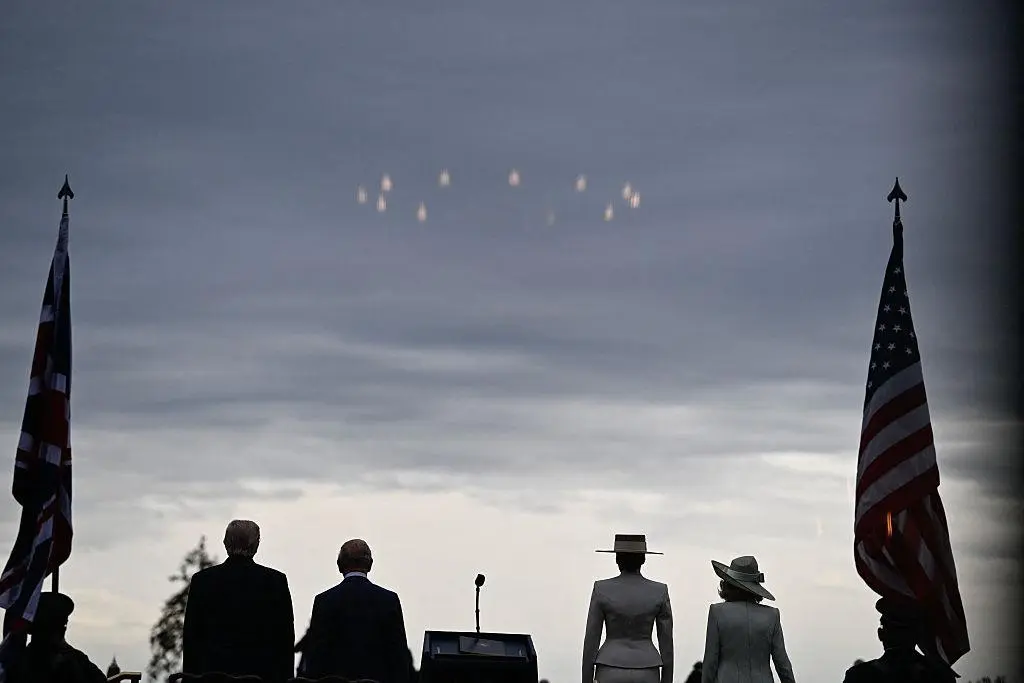
Trump and King Charles: Symbolism of ‘Two Kings’ Explained
The White House calling Trump and King Charles “Two Kings” sparks debate. Here’s what it means, why it matters, and public reaction explained.
A Photo, a Caption, and a Controversy
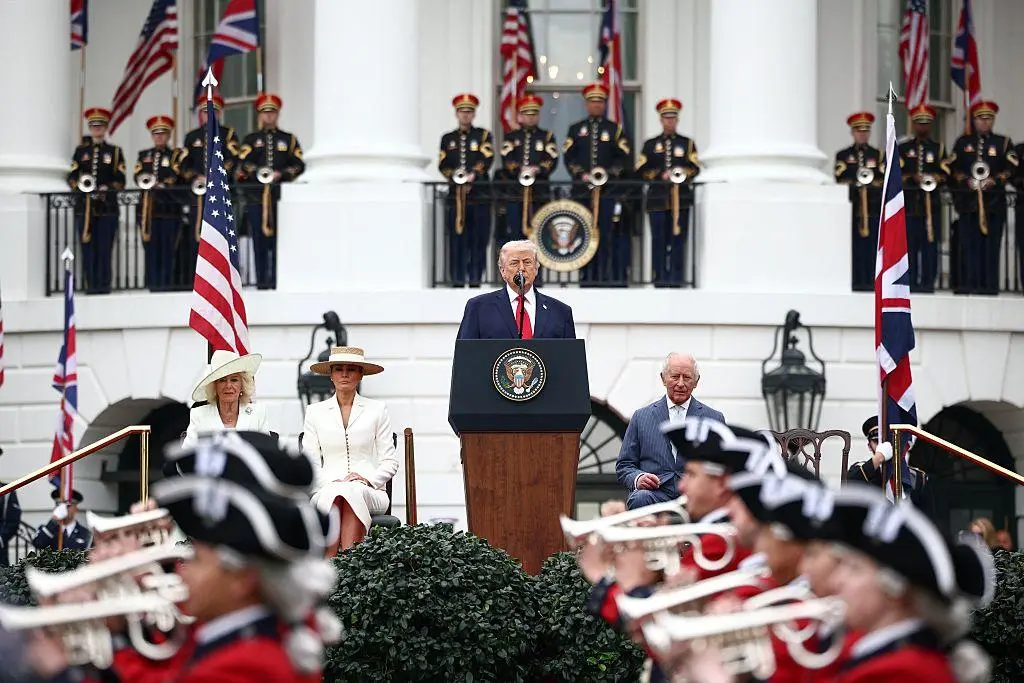
A single caption—“TWO KINGS”—has triggered a wave of debate across political and public circles. The phrase was used by the White House alongside a photo of Donald Trump greeting King Charles III during a formal visit.
At first glance, the moment appears ceremonial. A US president welcoming the British monarch is not unusual. But the language used in the caption has drawn attention because of what it implies—and what it challenges.
The phrase has sparked questions about symbolism, political messaging, and how leadership is being portrayed in modern times.
What Happened at the White House
The meeting between Trump and King Charles took place during a formal reception, followed by a state dinner. The interaction itself was cordial, with both leaders sharing a handshake and a brief exchange.
The controversy did not come from the event, but from how it was presented. The White House’s choice of words—“TWO KINGS”—quickly became the focal point of discussion.
For some, it was seen as a playful or symbolic caption. For others, it raised concerns about the messaging behind such language, especially in a democratic context.
Why the Phrase “Two Kings” Matters
The United States was founded on the rejection of monarchy. The American Revolution was fought to break away from British rule and establish a system where power rests with the people.
In that context, referring to a US president as a “king” carries symbolic weight. It contrasts sharply with the principles of democracy, where no single individual holds absolute authority.
This is why the phrase has resonated so strongly. It is not just about a caption—it touches on deeper ideas about governance and identity.
Trump’s Use of Strong Leadership Imagery
This is not the first time Trump has used imagery associated with power and authority. Throughout his political career, he has often leaned into strong, dominant visuals and messaging.
In previous instances, he has shared AI-generated content depicting himself in royal or powerful roles. These images are often designed to project confidence and control.
Supporters may interpret this as a sign of strong leadership. Critics, however, see it as an exaggeration that blurs the line between symbolism and reality.
The “Two Kings” caption fits into this broader pattern of communication.
Public and Political Reactions
The reaction to the caption has been mixed. Some people view it as harmless or even humorous, while others see it as problematic.
Political figures have also weighed in. Critics argue that such language undermines the democratic values on which the United States is built.
For example, Joe Morelle emphasized that in the US system, sovereignty lies with the people, not with a single leader.
The debate highlights how language and imagery can influence public perception, even when there is no actual change in policy or governance.
US–UK Relations in the Spotlight
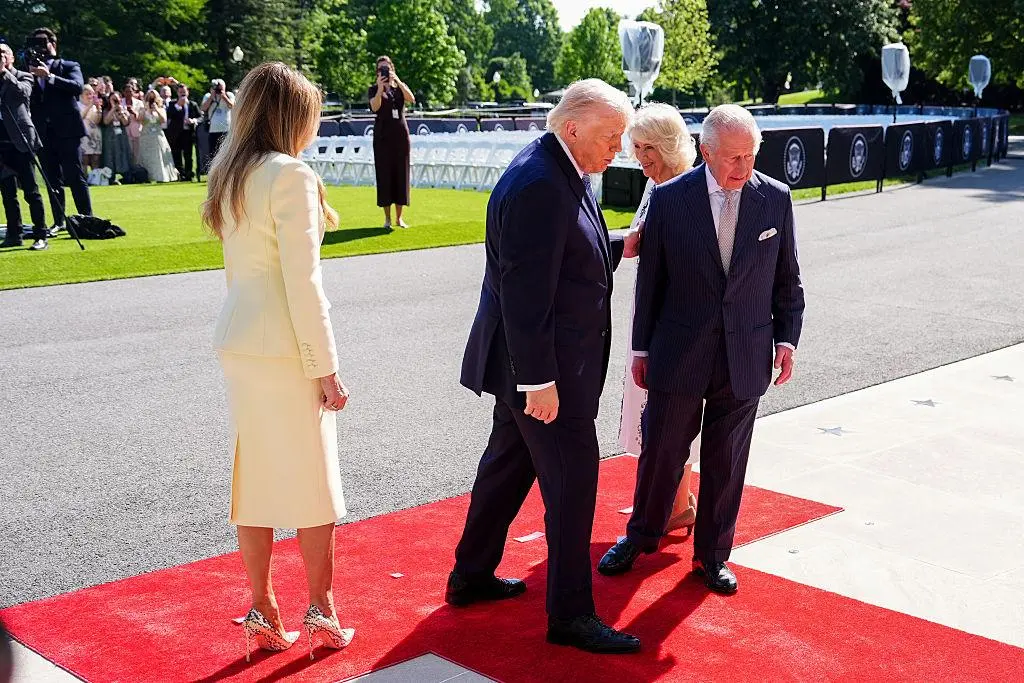
Beyond the controversy, the meeting itself highlights the ongoing relationship between the United States and the United Kingdom.
Despite their historical differences, the two countries maintain strong diplomatic, economic, and cultural ties. Events like this state visit reinforce that partnership.
The presence of King Charles at the White House underscores the importance of these العلاقات in global politics.
However, the way such events are presented can influence how they are perceived by the public.
Why This Moment Is Significant
The “Two Kings” moment is significant not because of what it changes, but because of what it represents.
It reflects how modern leadership is increasingly shaped by image and narrative. It also shows how quickly public discourse can shift based on a single phrase or visual.
For some, it is a reminder of the importance of democratic values. For others, it is simply a reflection of contemporary political style.
Either way, it has sparked a conversation that goes beyond the event itself.
Click Here to subscribe to our newsletters and get the latest updates directly to your inbox.