
Israel–Iran War Day 10: Trump Rejects Mojtaba Khamenei as Iran Intensifies Offensive
The conflict between Israel and Iran has entered its tenth day, with the situation across the Middle East becoming increasingly volatile. New developments have emerged after Iran announced Mojtaba Khamenei as its new supreme leader following the death of his father, Ayatollah Ali Khamenei, during the first phase of joint US–Israeli airstrikes.
However, at the same time, the war is escalating further in all directions. Iran has escalated missile and drone strikes against Israel and other countries in the region, while Israel and the US are carrying out their military operations against Iran.
Adding more fuel to the fire, former US President Donald Trump has referred to Mojtaba Khamenei as “unacceptable” in his role as the leader of Iran.
Iran Announces Mojtaba Khamenei as New Supreme Leader
There was a dramatic change in Iran’s political leadership after the death of Ayatollah Ali Khamenei. The veteran Iranian leader was killed in the first stage of the US-Israeli military operation against Iranian military installations.
Following his death, Iran’s Experts Assembly quickly moved to appoint a successor. According to Iranian state media, Mojtaba Khamenei, the late Iranian leader’s son, was appointed in a decisive vote.
The Experts Assembly appealed to Iranian citizens to support the new political leadership. The Experts Assembly asked academics, religious scholars, and political elites in Iran to pledge their allegiance to Mojtaba Khamenei.
This was aimed at ensuring political stability in Iran during the war. Leadership continuity is important in Iran’s war command.
Who Is Mojtaba Khamenei?
Mojtaba Khamenei has been viewed as a highly influential personality within the political and religious circle of Iran. Even though he never held any official position like his father, he was considered to be involved in the inner circle of the Iranian power structure.
Mojtaba has managed to gain the trust of the Islamic Revolutionary Guard Corps and the clerics within Iran.
The appointment of Mojtaba to the position of supreme leader is a major political move for the country. It is also a move that indicates the continuity of the Khamenei legacy within the Iranian political circle.
It is argued that the leadership of Mojtaba could be threatened from within the country, especially when the country is facing a lot of military pressure from outside.
Revolutionary Guards Pledge Support
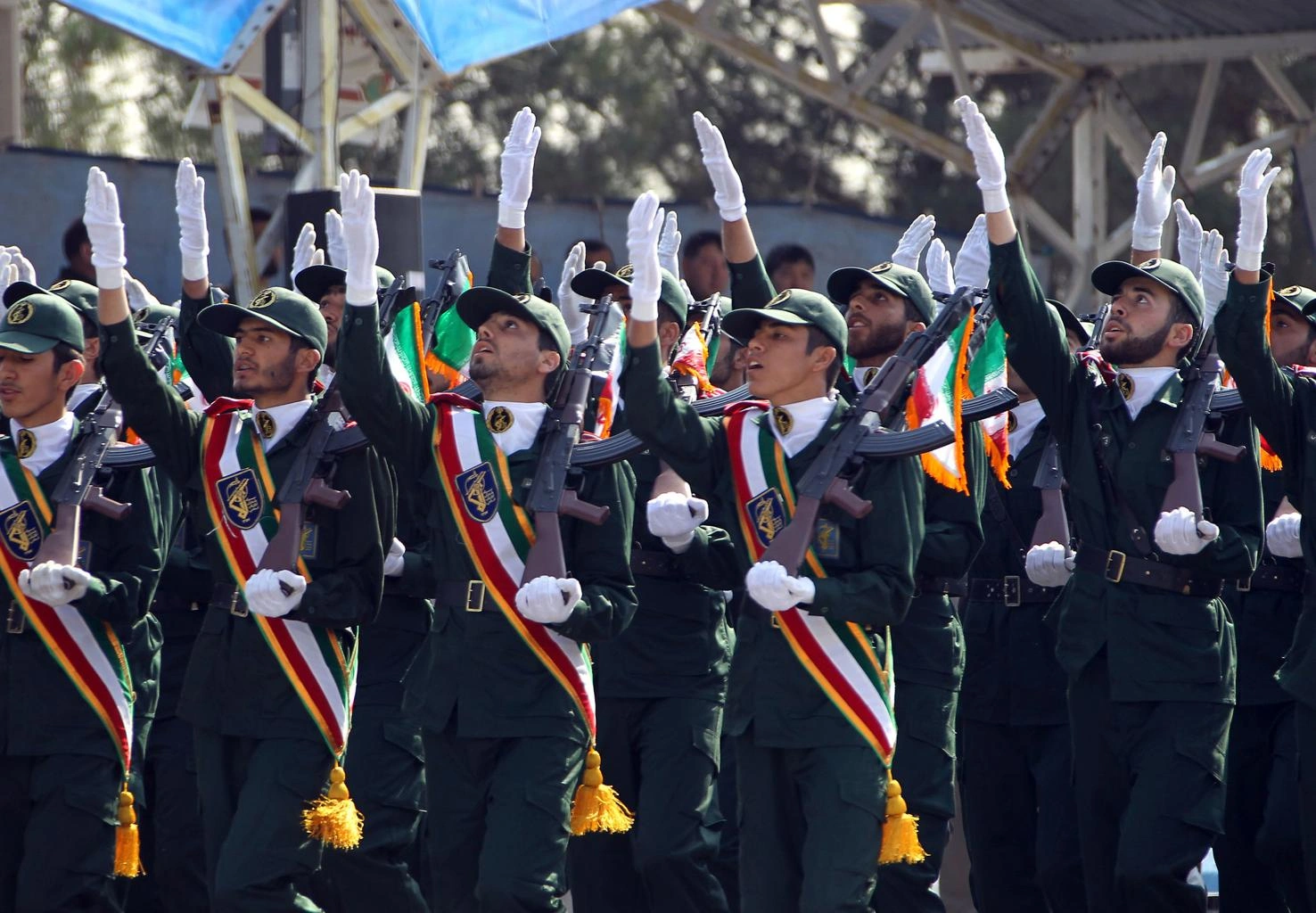
Shortly after the announcement of Mojtaba Khamenei’s leadership, Iran’s Revolutionary Guards publicly pledged their loyalty to the new supreme leader.
The IRGC plays a central role in Iran’s security and military operations. Its support is crucial for maintaining authority within the country’s political system.
By backing Mojtaba Khamenei, the Revolutionary Guards have effectively reinforced the stability of Iran’s leadership during the ongoing war.
The statement from the IRGC also indicated that Iran would continue its military operations against Israel and its allies.
Iran Expands Military Offensive
As leadership changes unfolded in Tehran, the conflict on the battlefield intensified.
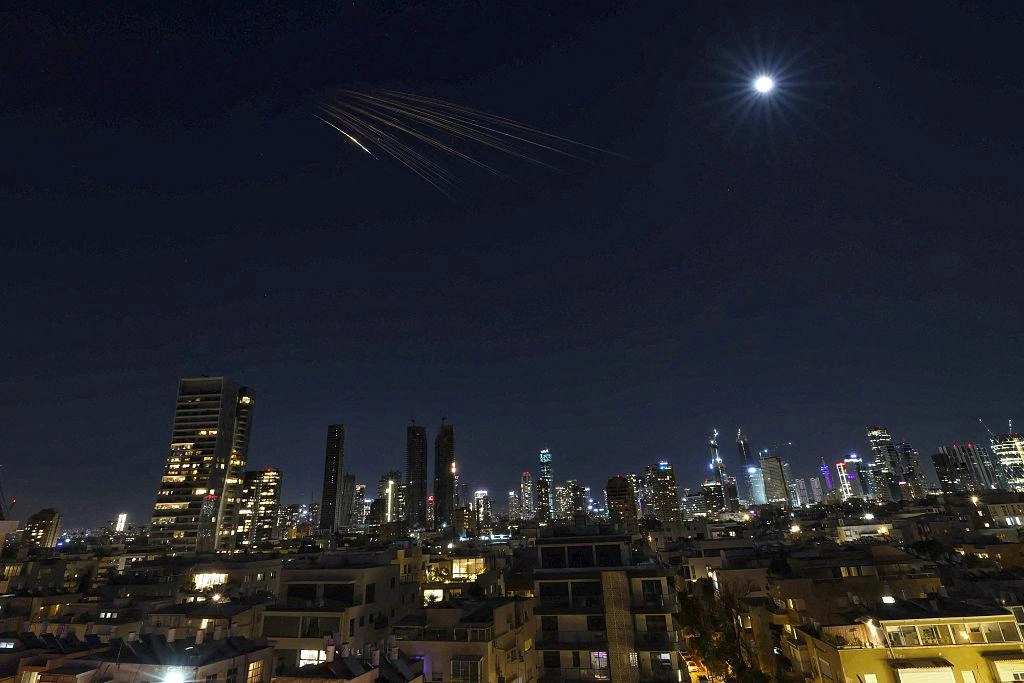
Iran launched additional missile and drone attacks targeting Israeli territory and strategic locations across the Middle East. Several countries in the region reported intercepting incoming projectiles, reflecting the widening geographic scope of the conflict.
Israel’s air defense systems were activated repeatedly to intercept missiles, while Israeli forces continued airstrikes on Iranian military infrastructure.
The ongoing exchanges highlight how the war has expanded beyond a single battlefield into a broader regional confrontation.
Trump’s Reaction to Iran’s New Leader
One of the most notable political reactions came from former US President Donald Trump.
Trump described Mojtaba Khamenei as an “unacceptable” choice to lead Iran, arguing that the leadership transition would not change the country’s strategic posture toward the United States and Israel.
His comments add another layer of political tension to an already complex situation. Although Trump is not currently in office, his statements carry influence within international political discourse.
Such rhetoric reflects the deep mistrust that has characterised US–Iran relations for decades.
Impact on the Middle East
The Israel–Iran war has created uncertainty across the Middle East.
Several countries in the region are closely monitoring developments, particularly because missile attacks and military operations have reached areas beyond the immediate conflict zones.
Airspace restrictions, shipping route disruptions and heightened security alerts have become common across the Gulf region.
Governments are concerned that continued escalation could affect trade routes, energy markets and regional stability.
Global Political Reactions
International reactions to the war have been mixed.
Some Western allies have supported Israel’s actions, arguing that the strikes were necessary to counter Iran’s military capabilities.
Meanwhile, several countries have called for immediate de-escalation and diplomatic negotiations to prevent further escalation.
The United Nations and other international organisations have urged restraint, warning that the conflict could destabilise the entire region if it continues to expand.
Global leaders are increasingly concerned that the war could trigger broader geopolitical consequences.
Economic Consequences of the Conflict
The war has already begun affecting global markets, particularly energy prices.
The Middle East plays a critical role in global oil production and transportation. Any disruption in the region can quickly influence international energy prices.
Shipping routes such as the Strait of Hormuz remain under close watch, as tensions in the area could impact oil exports.
Higher energy prices can contribute to inflation and economic uncertainty across the world.
Financial markets have also shown increased volatility as investors react to the geopolitical situation.
Information Warfare and Public Messaging
Alongside military operations, the war has also become a battle of narratives.
Both sides are using media statements, official announcements and social media platforms to shape public perception of the conflict.
Iranian authorities have emphasised unity and resilience under new leadership, while Israeli officials highlight the strategic objectives of their military operations.
Information warfare has become a key component of modern conflicts, influencing both domestic audiences and international opinion.
What Could Happen Next
As the war enters its second week, several potential scenarios could shape its future.
One possibility is continued escalation, with more intense missile strikes and military operations across the region.
Another scenario involves diplomatic intervention aimed at negotiating a ceasefire or reducing hostilities.
The leadership transition in Iran could also influence the direction of the conflict, depending on Mojtaba Khamenei’s strategic decisions.
Regional and global powers are watching closely to see how Iran’s new leadership responds to the ongoing military pressure.
The tenth day of the Israel–Iran war marks a critical turning point. The appointment of Mojtaba Khamenei as Iran’s new supreme leader has introduced a new political dynamic into an already volatile conflict.
At the same time, continued missile attacks, airstrikes and political statements from international leaders suggest that tensions remain high across the region.
How the situation develops will depend on both military developments and diplomatic efforts in the coming days. For now, the Middle East remains on edge as the conflict continues to unfold.
Click Here to subscribe to our newsletters and get the latest updates directly to your inbox.