
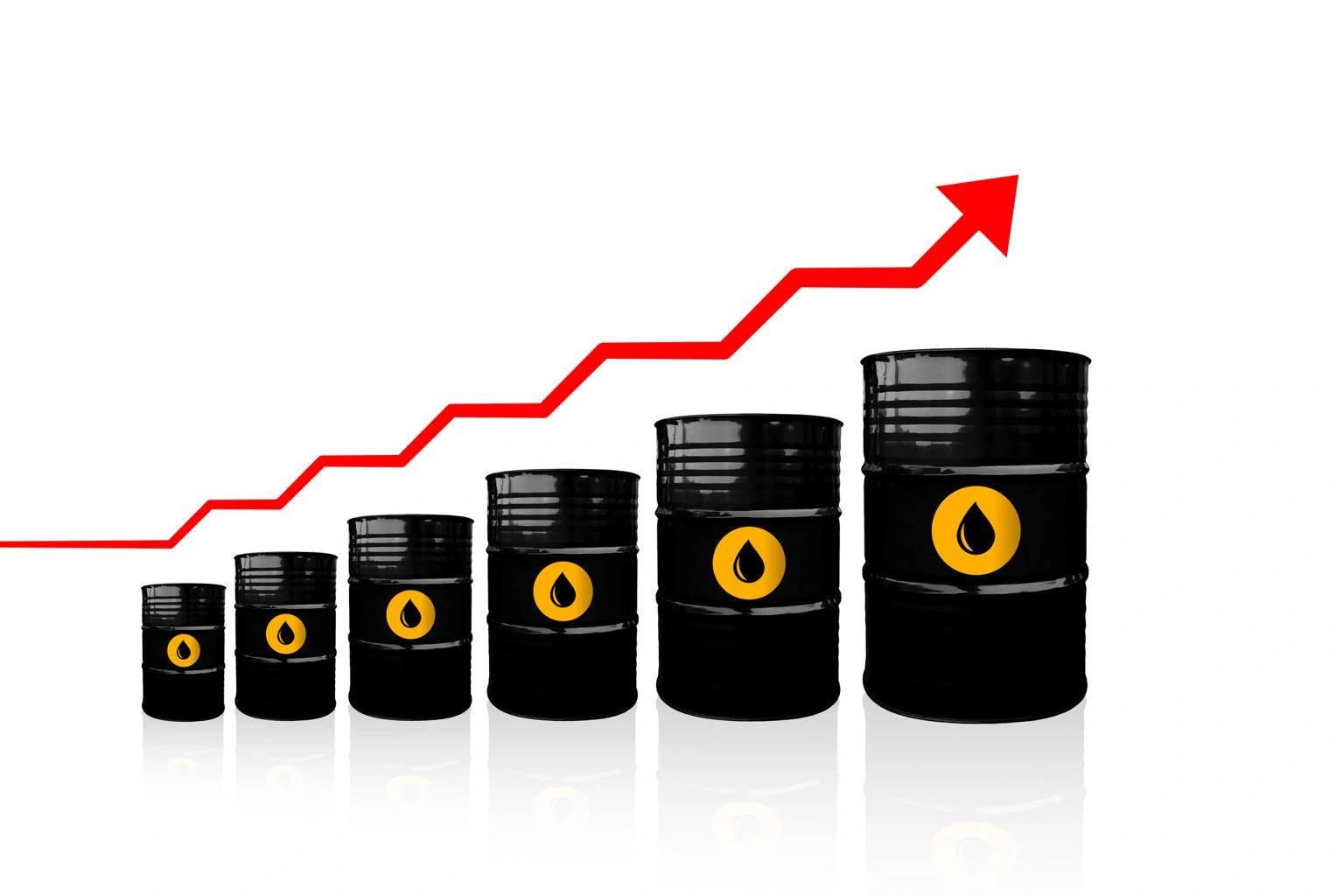
How Countries Have Responded to the Sharp Rise in Crude Oil Prices
The recent surge in global crude oil prices has triggered widespread economic and political responses across the world. Oil remains one of the most important commodities in the global economy because it directly influences transportation, manufacturing, electricity generation and food production.
When oil prices rise sharply, the consequences are felt everywhere—from petrol stations to national budgets. Governments, central banks and energy companies often respond quickly to stabilize markets and protect consumers.
The latest spike in crude oil prices has been largely driven by geopolitical tensions, supply disruptions and rising demand in several major economies. As a result, countries around the world have adopted different strategies to manage the impact on their economies and citizens.
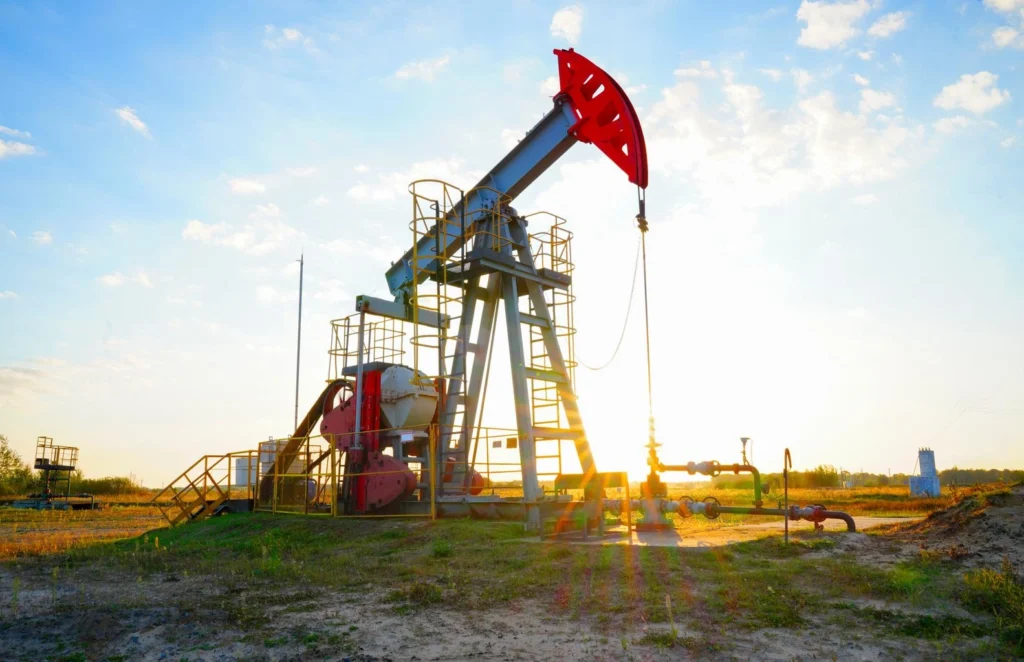
Understanding how countries respond to rising oil prices helps explain how global energy markets operate and why energy policy has become a central issue for governments.
Why Crude Oil Prices Have Risen
The recent increase in crude oil prices has been influenced by several key factors.
One major driver has been geopolitical tensions in important oil-producing regions. Conflicts or political instability in the Middle East often raise concerns about supply disruptions, pushing oil prices higher.
Another factor is global demand. As economies recover and industrial activity increases, the demand for fuel rises. This increased demand puts pressure on supply and contributes to higher prices.
Production decisions made by oil-producing countries also play a role. When major producers reduce output or limit exports, global supply tightens and prices climb.
These factors combined have pushed crude oil prices upward, forcing governments and industries to adapt quickly.
Fuel Subsidies and Price Controls
One of the most common responses from governments is the use of fuel subsidies.
In many countries, rising fuel prices can lead to public dissatisfaction because transportation costs increase and everyday goods become more expensive. To prevent this, governments sometimes reduce fuel taxes or provide subsidies that keep petrol and diesel prices stable for consumers.
For example, several Asian and African countries have introduced temporary tax cuts on fuel to ease the burden on households.
While subsidies can protect consumers in the short term, they can also strain government finances because authorities must compensate energy companies for the price difference.
Strategic Petroleum Reserves
Some countries maintain strategic oil reserves that can be released during periods of high prices or supply disruptions.
The United States, China, India and several European nations maintain large stockpiles of crude oil specifically for emergencies. When oil prices rise sharply, governments sometimes release part of these reserves to increase supply and reduce price pressure.
Strategic reserves act as a buffer against sudden market shocks. However, they are usually used cautiously because they are meant primarily for severe supply crises rather than routine price fluctuations.
Increasing Domestic Oil Production
Oil-producing countries often respond to high prices by increasing production.
When prices rise, producing more oil becomes economically attractive. Countries with large energy resources may expand drilling activities or reopen older oil fields to increase supply.
In the United States, for example, high oil prices often encourage increased production from shale oil fields. Similarly, several Middle Eastern producers may adjust production levels to balance global supply.
However, increasing production is not always immediate. Developing new oil fields or expanding production infrastructure can take months or even years.
Cooperation Through OPEC
The Organization of the Petroleum Exporting Countries (OPEC) plays a significant role in managing global oil supply.
OPEC and its partner countries often coordinate production levels to stabilize oil markets. When prices rise too quickly, the group may consider increasing production to prevent excessive volatility.
At other times, OPEC may choose to maintain or reduce production if members believe supply should remain tight.
This balancing act reflects the complex relationship between oil producers and global markets.
Investment in Renewable Energy
Rising oil prices also encourage countries to accelerate investment in renewable energy.
Solar, wind and hydroelectric power are increasingly seen as ways to reduce dependence on fossil fuels. High oil prices strengthen the economic argument for transitioning toward cleaner energy sources.
Governments in Europe, North America and parts of Asia have increased funding for renewable energy projects, electric vehicles and energy-efficient technologies.
Although renewable energy cannot immediately replace oil in many industries, long-term investments can reduce vulnerability to future oil price shocks.
Promoting Energy Efficiency
Another response to high oil prices is promoting energy efficiency.
Governments often encourage industries and consumers to reduce fuel consumption through efficiency standards, public transport investments and incentives for fuel-efficient vehicles.
Improving energy efficiency reduces demand for oil, which can help stabilize prices over time.
For example, several countries have introduced stricter fuel efficiency regulations for cars and trucks to reduce overall fuel consumption.
Impact on Developing Economies
Developing countries often face greater challenges when oil prices rise.
Many of these nations rely heavily on imported fuel for transportation and electricity generation. When global oil prices increase, their import bills rise significantly.
Higher energy costs can weaken national currencies, increase inflation and strain government budgets.
To manage these challenges, some developing countries introduce fuel subsidies or seek financial assistance from international institutions.
However, these solutions can create long-term fiscal pressures if oil prices remain high for extended periods.
Effect on Global Inflation
Rising oil prices contribute directly to inflation.
Transportation costs increase when fuel becomes more expensive. This affects the cost of shipping goods, airline tickets and logistics services.
As a result, the price of many consumer products rises. Food prices may also increase because agriculture depends on fuel for transportation, fertilizers and machinery.
Central banks often monitor oil prices closely because energy costs can influence interest rate decisions and overall economic stability.
Financial Market Reactions
Financial markets also respond to rising oil prices.
Energy companies often benefit from higher oil prices because their products become more valuable. This can lead to increased profits for oil producers and higher stock prices for energy firms.
However, other sectors such as airlines, manufacturing and logistics may face higher costs due to expensive fuel.
Investors often shift their portfolios during periods of rising oil prices, increasing investments in energy companies while reducing exposure to industries sensitive to fuel costs.
Long-Term Energy Policy Changes
The recent rise in crude oil prices is prompting many governments to rethink their long-term energy strategies.
Energy security has become a major concern for policymakers. Countries want to ensure that they have reliable access to energy sources even during geopolitical crises.
This often involves diversifying energy imports, expanding renewable energy production and investing in domestic energy resources.
The goal is to reduce dependence on any single source of energy and create more resilient energy systems.
Global Cooperation and Energy Diplomacy
International cooperation also plays a role in managing oil price shocks.
Energy-importing countries sometimes negotiate long-term supply agreements with oil-producing nations to ensure stable access to fuel.
Diplomatic discussions between energy producers and consumers can help maintain market stability during periods of volatility.
Organizations such as the International Energy Agency often coordinate responses among major economies to address supply disruptions.
The sharp rise in crude oil prices has reminded the world how closely energy markets are tied to global politics and economic stability. Governments have responded with a combination of subsidies, strategic reserves, increased production and investments in renewable energy.
While these measures can reduce short-term pressure, the broader challenge remains finding sustainable ways to balance energy demand with supply. As countries continue to adapt their energy strategies, the current oil price surge may accelerate the transition toward more diversified and resilient energy systems.
Click Here to subscribe to our newsletters and get the latest updates directly to your inbox.