

IEA Plans Record Oil Reserve Release as Iran War Sends Global Prices Higher
The global energy market is facing one of its most serious disruptions in recent years. Rising tensions and military conflict involving Iran, Israel and the United States have shaken oil markets, raising fears of a prolonged supply crisis.
In response to the surge in crude oil prices, the International Energy Agency (IEA) is preparing to recommend a record release of oil from strategic reserves. According to reports, the agency could coordinate the release of around 400 million barrels of oil, making it the largest emergency stock release in the organization’s history.
The proposed action aims to stabilize markets after disruptions in the Strait of Hormuz, one of the world’s most important oil transport routes. With shipping in the region increasingly dangerous, governments are scrambling to prevent a severe energy supply shock.
Why Oil Markets Are Under Pressure
The conflict in the Middle East has created uncertainty about the availability of global oil supplies. The Strait of Hormuz is particularly critical because it carries a significant share of the world’s crude oil exports.
In recent days, multiple vessels have reportedly been hit by projectiles in the region, raising concerns about maritime safety. Security analysts say at least fourteen ships have been struck since the conflict began, highlighting how risky the route has become.
When shipping routes are threatened, oil traders immediately react. Energy companies worry that tankers may be unable or unwilling to pass through dangerous areas, reducing global supply and pushing prices higher.
The current disruption has been estimated at roughly 20 million barrels per day, a massive figure that explains why markets have become extremely volatile.
The IEA’s Proposed Emergency Release
To prevent the crisis from spiraling further, the International Energy Agency is expected to propose a coordinated release of 400 million barrels of oil from emergency reserves held by member countries.
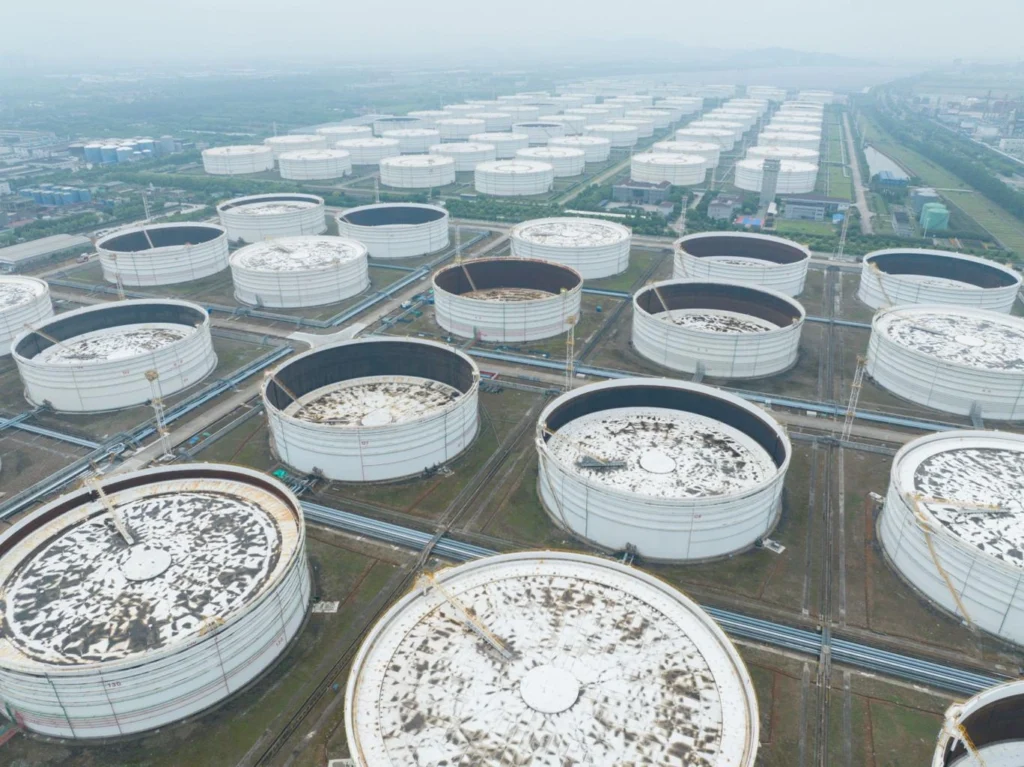
Strategic reserves are emergency stockpiles maintained by governments to respond to supply disruptions caused by wars, natural disasters or geopolitical crises.
According to officials familiar with the proposal, the release would likely take place gradually over at least two months. Some governments could have up to 90 days to release their allocated volumes.
If roughly 100 million barrels were released over a month, analysts estimate the supply would add about 3.3 million barrels per day to the market.
While significant, that figure would still be smaller than the current disruption in the Strait of Hormuz, which explains why markets remain cautious about whether the plan will be enough to stabilize prices.
Major Countries Expected to Participate
Several major economies are expected to contribute to the coordinated release.
Germany has confirmed it will take part in the effort, with Economy Minister Katherina Reiche acknowledging the planned 400 million barrel figure.
The United States and Japan are expected to provide the largest contributions because they hold some of the world’s biggest strategic oil reserves.
Japan has already announced that it will act quickly by releasing 15 days of private-sector reserves and one month of state reserves, aiming to ease pressure on global energy markets even before the full IEA plan is finalized.
Other countries, including South Korea, are currently reviewing their positions and discussing potential participation in the coordinated release.
The Largest Strategic Oil Release Ever
If implemented, the proposed 400 million barrel release would surpass the scale of previous emergency actions.
The most recent large coordinated release occurred in 2022 following the disruption caused by Russia’s invasion of Ukraine. That operation involved roughly 180 million barrels, primarily from the United States Strategic Petroleum Reserve.
The current proposal is more than double that amount, reflecting the seriousness of the present situation.
Energy experts say the scale of the release signals how worried governments are about the potential impact of the conflict on global energy supplies.
Why Timing Matters as Much as Volume
While the total size of the release has attracted attention, analysts emphasize that the pace of oil entering the market will be equally important.
If the reserves are released slowly, the impact on prices may be limited. On the other hand, a faster release could help stabilize markets more quickly.
Oil traders are watching closely to see how quickly governments move once the proposal is finalized.
The balance is delicate. Releasing too much oil too quickly could drain emergency reserves, leaving countries vulnerable if the conflict worsens.
Markets Remain Skeptical
Despite the announcement, oil prices have remained volatile.
Energy markets rebounded shortly after the news emerged because traders questioned whether the proposed release would be enough to offset the supply disruptions caused by the conflict.
Another concern is the safety of shipping routes. If attacks on vessels continue in the Strait of Hormuz, oil transportation could remain severely restricted regardless of reserve releases.
Markets therefore remain cautious, waiting for clearer signals about both the conflict and the timing of the stockpile release.
The Strategic Importance of the Strait of Hormuz
The Strait of Hormuz is one of the most important chokepoints in global energy supply.
Every day, millions of barrels of oil pass through this narrow waterway connecting the Persian Gulf with the Arabian Sea. Countries such as Saudi Arabia, Iraq, Kuwait and the United Arab Emirates rely heavily on this route to export crude oil.
Because so much of the world’s energy supply depends on it, even small disruptions can have massive economic consequences.
The recent attacks on ships have raised fears that the conflict could escalate into a broader threat to maritime security in the region.
Involving Non-IEA Countries
Another important aspect of the proposal is the possibility of involving countries outside the IEA.
Officials say the agency may reach out to major energy consumers such as China and India.
Although these countries are not formal members of the IEA, their participation could significantly influence the effectiveness of the release.
Cooperation between major energy-consuming economies would send a strong signal to markets that governments are united in preventing a global supply crisis.
The Wider Economic Impact
High oil prices affect far more than just fuel costs.
When crude prices rise, transportation becomes more expensive, increasing the cost of goods and services across the economy. Airlines, shipping companies and manufacturing industries all feel the pressure.
Higher energy costs also contribute to inflation, forcing central banks to carefully consider interest rate decisions.
For many developing countries, rising oil prices can be especially damaging because they rely heavily on imported fuel.
This is why stabilizing oil markets quickly has become a priority for governments around the world.
What Happens Next
The final decision on the reserve release will depend on discussions between IEA member states in the coming days.
Officials must agree on how much oil each country will release, the timeline for distribution and the logistical details of delivering the oil to markets.
If approved, the coordinated action could begin within weeks.
Energy analysts say the move could provide short-term relief for markets, but the long-term outlook will depend largely on how the geopolitical situation evolves.
The proposed release of 400 million barrels from strategic reserves underscores the scale of the current energy crisis. With global oil markets under pressure from geopolitical conflict and shipping disruptions, governments are once again turning to emergency stockpiles to maintain stability. Whether the measure will be enough to calm markets remains uncertain, but it highlights how closely energy security is tied to global politics and conflict.
Click Here to subscribe to our newsletters and get the latest updates directly to your inbox.