
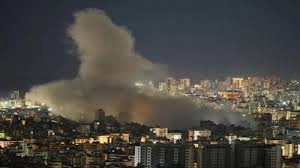
Iran War Day 16: US-Israel Airstrikes Intensify as Iran Launches Missile Attacks Across Middle East
The conflict involving Iran, Israel and the United States has entered its sixteenth day, with military actions intensifying across multiple fronts in the Middle East. Airstrikes, missile launches and drone attacks have continued to reshape the battlefield, while global leaders watch closely amid fears that the conflict could spread across the region.
Israeli forces carried out another wave of airstrikes targeting locations inside Iran. According to Israeli military officials, the operations were aimed at weakening Iran’s military capabilities and targeting strategic infrastructure linked to missile production and logistics. Several explosions were reported near military facilities and industrial sites.
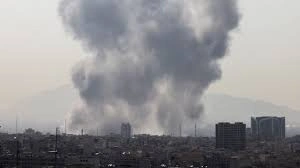
These attacks come as part of a broader campaign by Israel and its allies to reduce Iran’s ability to launch long-range missile strikes and coordinate attacks through regional proxy groups.
Iran Launches Missile and Drone Retaliation
Iran responded to the latest strikes with missile and drone attacks aimed at Israeli territory and other regional targets linked to American military operations.
Air defense systems in Israel intercepted several incoming projectiles, though some missiles reportedly landed near populated areas. Emergency services were deployed in multiple locations after explosions were heard near major cities.
Iranian military officials stated that their retaliation was part of a defensive strategy against what they described as “aggression by foreign powers.”
The exchange of strikes highlights how the conflict is evolving into a prolonged military confrontation rather than a limited operation.
Regional Tensions Continue to Spread
As the fighting intensifies, the war is increasingly affecting countries beyond Israel and Iran.
Missile alerts and air defense operations have been reported across several Gulf countries. Security authorities in the region remain on high alert due to concerns that critical infrastructure or military installations could be targeted.
The conflict is also creating significant risks for international shipping routes and oil transport channels that pass through the Middle East.
One of the most closely watched locations remains the Strait of Hormuz, a strategic maritime corridor through which a large portion of global oil supply travels.
Any disruption in this area could have serious consequences for global energy markets.
Global Markets Watching Closely
Financial markets and governments around the world are closely monitoring developments in the conflict.
Rising geopolitical tensions have already affected global oil prices and investor sentiment. Energy markets remain volatile as traders attempt to assess whether shipping routes and energy infrastructure could be disrupted further.
Analysts warn that prolonged instability in the region could affect global trade, energy prices and economic stability.
Diplomatic Efforts Face Challenges
Despite growing international concern, diplomatic efforts to de-escalate the conflict have so far produced limited progress.
Several countries have called for restraint and urged both sides to pursue dialogue instead of further escalation. However, both Iran and Israel appear determined to continue their military campaigns for now.
As the conflict moves deeper into its third week, the risk of wider regional involvement remains one of the biggest concerns among global leaders.
Click Here to subscribe to our newsletters and get the latest updates directly to your inbox.