
OpenAI’s Shock Move: Sam Altman Buys TBPN, Kills $30M Ad Model to Rewrite Media Rules
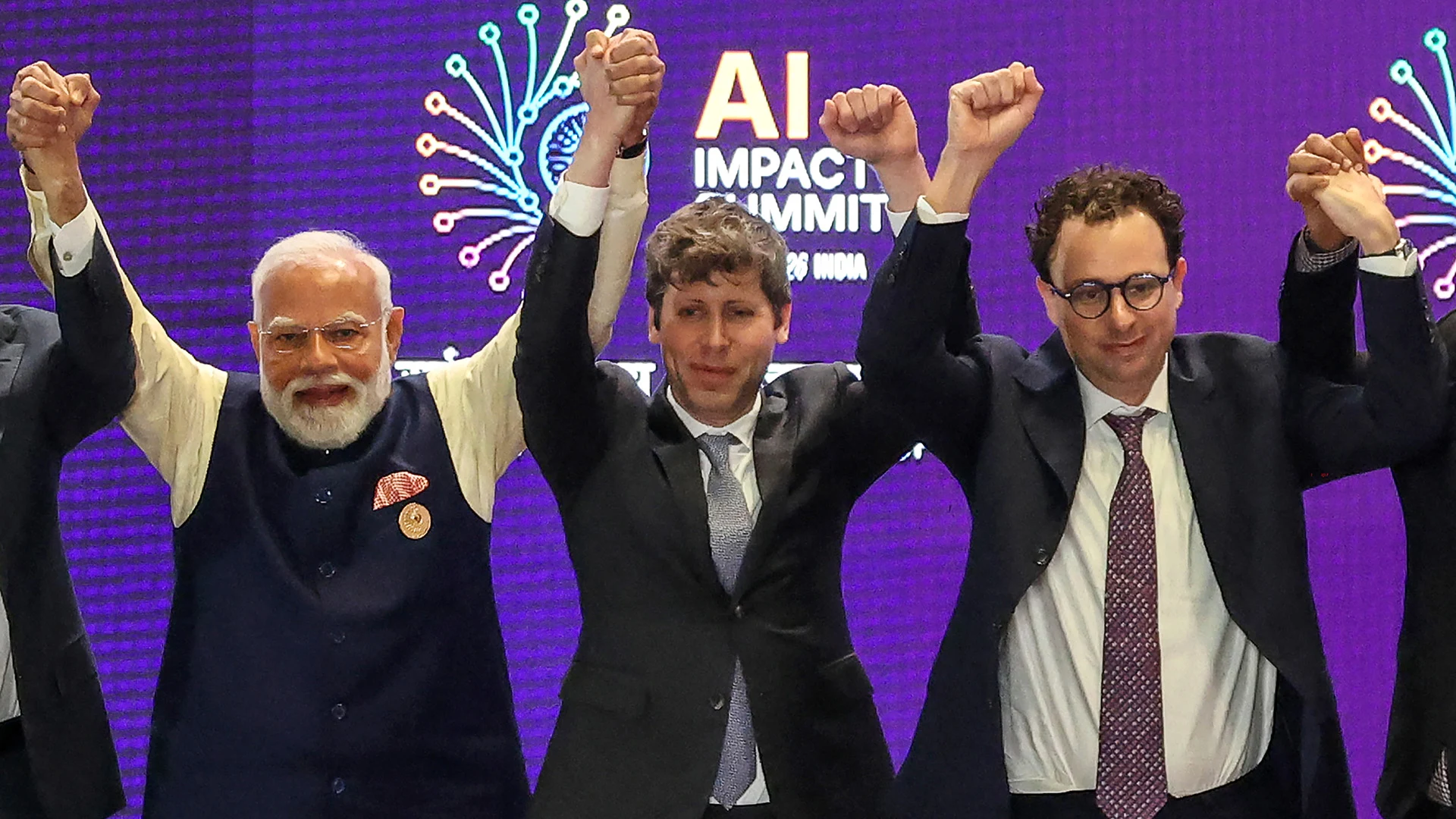
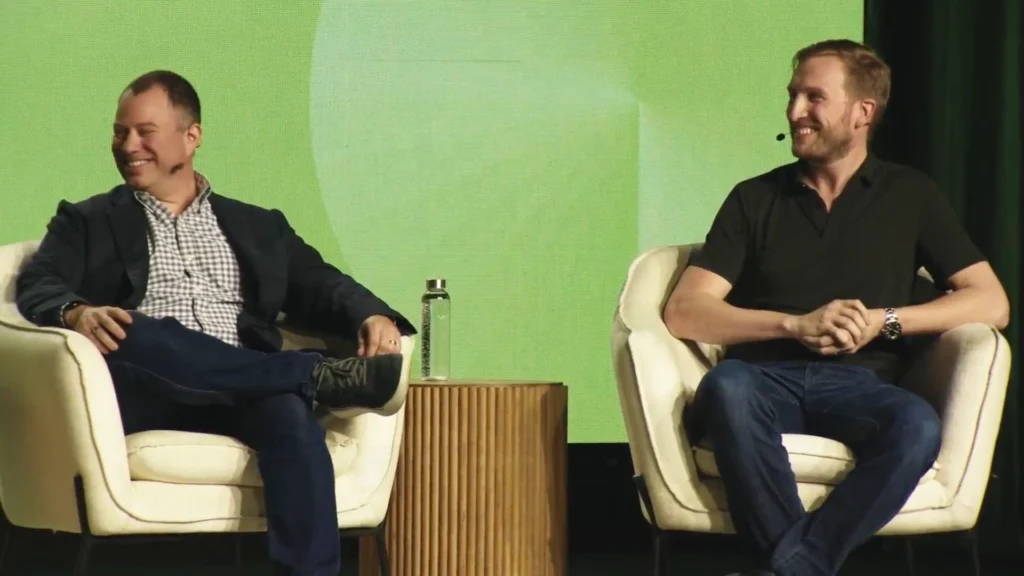
Sam Altman’s OpenAI has surprisingly entered the media industry by acquiring TBPN, an up-and-coming web-based talk show that interviews some of the most successful Silicon Valley entrepreneurs.
The strategy is unusual not because of the acquisition but due to OpenAI’s plan to end TBPN’s ad-based business model that was expected to generate $30 million in revenue by 2026.
It could be an indication of things to come for the AI industry’s content creation and media monetization strategies in the future.
What Is TBPN and Why It Matters
TBPN was created in late 2024 by entrepreneurs John Coogan and Jordi Hays. Within a very short period of time, TBPN gained recognition as a reliable forum for interacting with founders of startups, CEOs, and experts in technology.
This talk show went live on air for several hours every day from Monday through Friday, producing a continuous flow of content. The show generated $5 million in ad revenue by the end of 2025 alone.
Given that the estimated income for 2026 is expected to reach $30 million, TBPN was set for success in digital media, competing with other media giants such as CNBC.
Why OpenAI Is Killing a Profitable Ad Business
The most remarkable aspect of the deal here is the OpenAI decision to pivot away from the advertising model that TBPN operates on. When we look at the rapid growth in terms of user base at the current time, the idea of closing off a possible source of $30 million income sounds unreasonable.
Nevertheless, this can be explained by a tendency observed throughout the technology industry recently. The problem is that models like the one used by TBPN are oriented towards engagement rather than depth.
OpenAI apparently strives to have “constructive conversations” about AI and all the implications it entails. This means there won’t be any pressure from the advertising side involved.
The Bigger Strategy: Controlling the AI Narrative
OpenAI’s acquisition of TBPN is not just about media—it’s about controlling the narrative around artificial intelligence.
As AI becomes more integrated into daily life, public perception plays a critical role in adoption and regulation. By owning a media platform, OpenAI gains a direct channel to shape conversations, address concerns, and highlight opportunities.
This strategy allows the company to influence how AI is understood by businesses, policymakers, and the general public.
It also positions OpenAI as not just a technology provider, but a thought leader in the AI space.
Impact on the Media Industry
The decision to eliminate advertising raises important questions for the media industry. If successful, this model could challenge the traditional reliance on ads as the primary revenue source.
It may encourage other platforms to explore alternative monetization strategies, such as subscriptions, partnerships, or direct funding from parent companies.
At the same time, it highlights the growing role of tech companies in media, blurring the lines between content creation and technology development.
This shift could lead to new forms of competition, where media platforms are backed by powerful tech ecosystems.
What This Means for Content Creators
For creators and journalists, the move presents both opportunities and challenges. On one hand, removing ad-driven pressures could lead to higher-quality content and more meaningful discussions.
On the other hand, it raises questions about independence and editorial control when content is funded by a single organization with its own strategic interests.
Balancing quality, transparency, and independence will be crucial as this model evolves.
Business and Market Implications
From a business perspective, the acquisition reflects OpenAI’s willingness to invest in long-term strategic assets rather than focusing solely on immediate profitability.
It also signals confidence in the value of content as a tool for influence and engagement. By integrating media with its core AI business, OpenAI is creating a more comprehensive ecosystem.
For investors and competitors, this move highlights the importance of thinking beyond traditional business models in a rapidly changing landscape.
What Happens Next
The future of TBPN under OpenAI will be closely watched. Key questions include how the platform will evolve, what new formats or content strategies will be introduced, and how audiences will respond to the changes.
The success of this experiment could influence how other companies approach media and monetization in the age of AI.
The Bigger Picture
OpenAI’s acquisition of TBPN marks a significant moment in the intersection of technology and media. By prioritizing influence and quality over advertising revenue, the company is challenging established norms.
This move reflects a broader trend where control over information and narrative becomes as important as technological innovation itself.
As AI continues to reshape industries, strategies like this will play a key role in determining how technology is understood, adopted, and regulated across the world.
Elon Musk vs OpenAI Court Case Explained (Latest Updates)
Click Here to subscribe to our newsletters and get the latest updates directly to your inbox.