
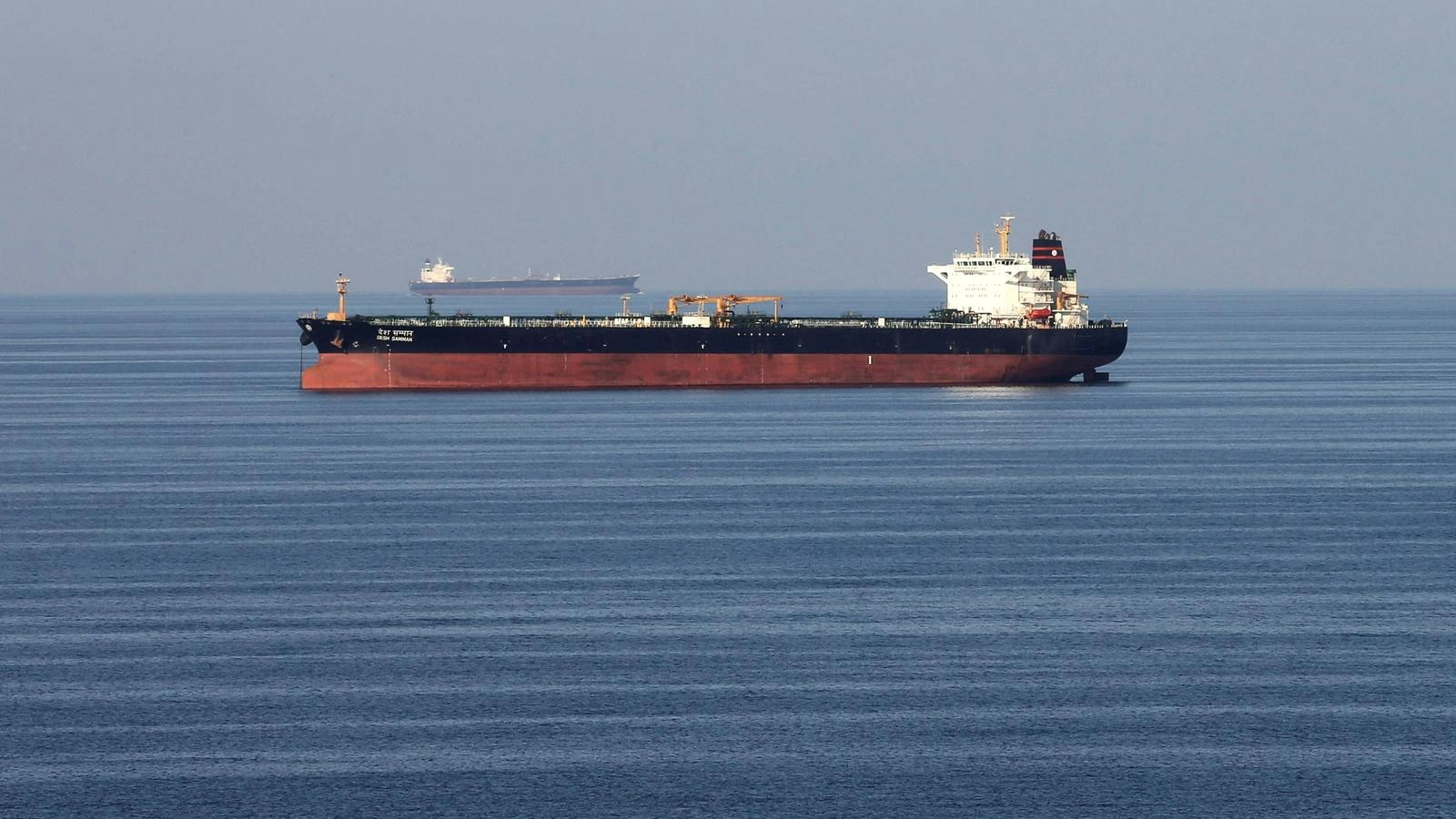
Iran-Israel War: Iran Says Strait of Hormuz Control Could Deliver Massive Economic Gains
Iran’s military has claimed that its growing control over the Strait of Hormuz could generate “significant” economic revenues for the country as the Iran-Israel war continues to reshape global energy markets and maritime trade.
According to statements carried by Iranian media and international reports, Tehran believes strategic oversight of the critical shipping route could potentially become even more financially valuable than oil exports themselves.
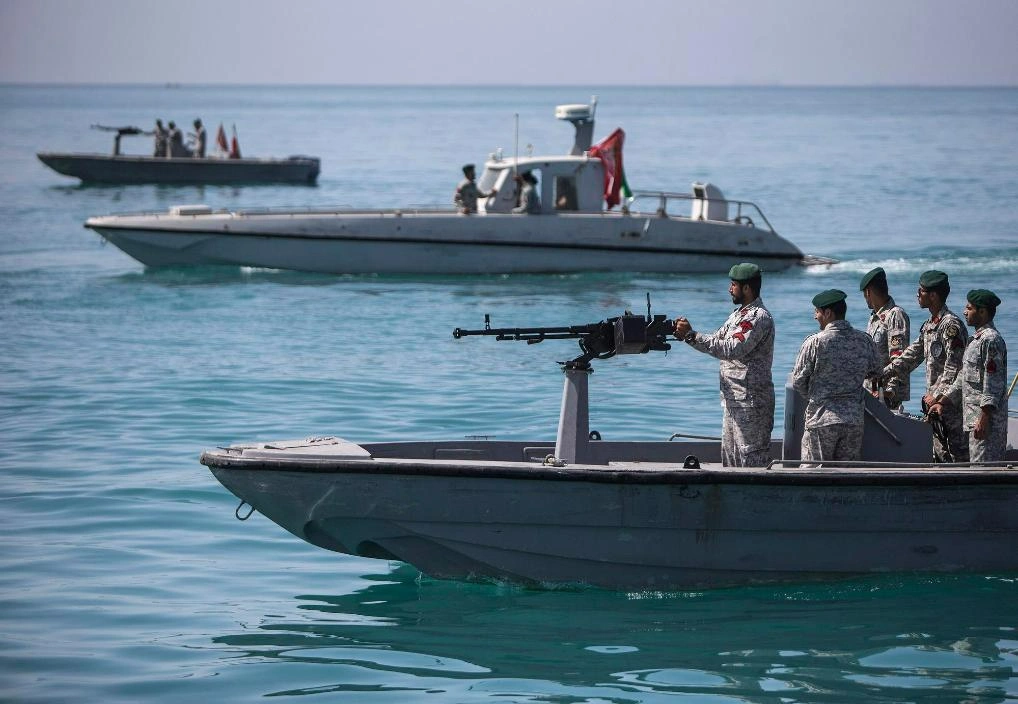
The comments come during one of the most volatile periods in global energy markets in decades, with oil prices, shipping costs, and geopolitical tensions all rising sharply due to the ongoing conflict involving Iran, Israel, and the United States.
Why the Strait of Hormuz Matters So Much
The Strait of Hormuz is one of the world’s most important maritime chokepoints.
Located between Iran and Oman, the narrow waterway connects the Persian Gulf to the Arabian Sea and handles roughly one-fifth of global oil and liquefied natural gas shipments during normal conditions.
Countries including:
- Saudi Arabia
- Iraq
- Kuwait
- Qatar
- United Arab Emirates
depend heavily on the route for energy exports.
Any disruption in the strait immediately affects global oil prices, shipping insurance costs, and broader financial markets.
This is why every statement related to Hormuz now carries major geopolitical and economic significance.
Iran’s Military Statement Raises Global Concerns
Iranian military spokesperson Mohammad Akraminia reportedly said Tehran’s oversight of the Strait of Hormuz could generate revenues capable of “potentially even doubling” Iran’s oil income.
Iran has increasingly framed control of the strait not only as a military advantage but also as a strategic economic tool.
Reports suggest Iranian authorities are now requiring vessels to seek approval for passage through certain parts of the route, while discussions linked to transit fees and shipping oversight have intensified.
The remarks have triggered concern among global governments, shipping companies, and energy traders who fear long-term instability in one of the world’s most important trade corridors.
Global Oil Markets Already Under Pressure
The ongoing war has already caused severe disruptions to energy markets.
The International Energy Agency warned this week that global oil supply could fall significantly below demand in 2026 because of the conflict and shipping disruptions around Hormuz.
According to international estimates:
- Millions of barrels per day remain disrupted
- Global inventories are shrinking rapidly
- Oil prices remain elevated
- Energy supply chains are under severe pressure
Analysts now describe the current situation as one of the largest energy security crises in modern history.
Shipping Through Hormuz Remains Highly Sensitive
Although some ships continue moving through the region under heavy monitoring and military coordination, maritime traffic remains far below normal levels.
Several shipping companies have:
- Delayed routes
- Increased insurance premiums
- Reduced transit activity
- Requested naval protection
The uncertainty has affected not only oil exports but also global trade logistics more broadly.
Shipping disruptions are now impacting:
- Fuel markets
- Airline costs
- Manufacturing supply chains
- Commodity prices
Iran Expands Definition of Hormuz Control Zone
In another major development, Iranian officials recently expanded their operational definition of the Strait of Hormuz into what they described as a much broader strategic zone.
According to reports, Iran now considers a significantly larger maritime area to fall under its strategic oversight.
This move has intensified international concern because it potentially broadens Tehran’s influence over shipping activity in the region.
Western governments and military analysts are closely monitoring the situation due to fears that prolonged disruption could destabilize global energy flows even further.
Public Reaction Around the World
Public reactions have been deeply divided.
Some supporters inside Iran view Hormuz control as a strategic response to economic sanctions and foreign pressure.
Others, however, worry that prolonged confrontation could further damage Iran’s already struggling economy.
Internationally, energy consumers and businesses are increasingly concerned about:
- Rising fuel prices
- Inflation
- Economic slowdown
- Supply instability
Social media discussions globally have focused heavily on fears that extended Hormuz disruptions could trigger another major global inflation wave.
Economic Pressure Growing Inside Iran
While Iran is emphasizing the strategic value of Hormuz, the country itself continues facing major economic strain.
Reports indicate Iran is experiencing:
- High inflation
- Currency depreciation
- Rising unemployment
- Supply shortages
The war and international isolation have intensified financial pressure on ordinary citizens.
This creates a complicated reality:
Iran may gain leverage through Hormuz control, but prolonged instability also carries heavy domestic economic costs.
The US and Allies Watching Closely
The United States and allied countries continue monitoring the region carefully.
American officials have repeatedly emphasized the importance of maintaining freedom of navigation through the Strait of Hormuz.
Previous US administrations have described any long-term closure or disruption of the route as unacceptable due to its importance for global commerce and energy stability.
At the same time, diplomatic negotiations remain uncertain, and tensions between Tehran and Western governments continue escalating.
Why This Conflict Matters Beyond the Middle East
The Iran-Israel conflict is no longer just a regional security issue.
It is now affecting:
- Global fuel prices
- International shipping
- Financial markets
- Airline industries
- Consumer inflation worldwide
Because modern economies remain heavily dependent on stable energy supplies, disruptions around Hormuz create ripple effects across the global economy.
Even countries geographically far from the conflict are already feeling economic consequences.
The Bigger Strategic Reality
Iran’s latest statements reveal something important:
The Strait of Hormuz is no longer being viewed only as a shipping lane.
It is increasingly becoming the following:
- A geopolitical pressure point
- An economic bargaining tool
- A symbol of regional influence
That makes the situation significantly more complex than a traditional military conflict.
The longer uncertainty continues, the greater the risk of broader global economic instability.
Final Insight
Iran’s claim that control over the Strait of Hormuz could generate major economic revenues highlights how deeply the ongoing war is reshaping global energy politics.
What began as a military conflict has now evolved into a battle over trade routes, economic leverage, and strategic control.
For the world economy, the stakes are enormous.
Because as long as instability surrounds the Strait of Hormuz, energy markets, inflation, and global supply chains are likely to remain under pressure.
Click Here to subscribe to our newsletters and get the latest updates directly to your inbox.